Malawi clean cooking project puts women at centre of climate justice
For years, women in rural Malawi have borne the hidden costs of cooking. They walk long distances to collect firewood, spend scarce income on charcoal, inhale smoke that threatens their health, and witness the steady loss of trees that support their communities. Now, a community-led clean cooking initiative supported by SHINE Collab is helping women […] The post Malawi clean cooking project puts…
In rural Malawi, women have long faced the hidden costs of cooking. They travel long distances to collect firewood, spend money on expensive charcoal, breathe in smoke that endangers their health, and witness the gradual loss of trees that sustain their communities. The Eco-Feminist Energy Justice Project, supported by SHINE Collab, is empowering women to challenge this reality while positioning them at the forefront of climate and energy justice discussions.
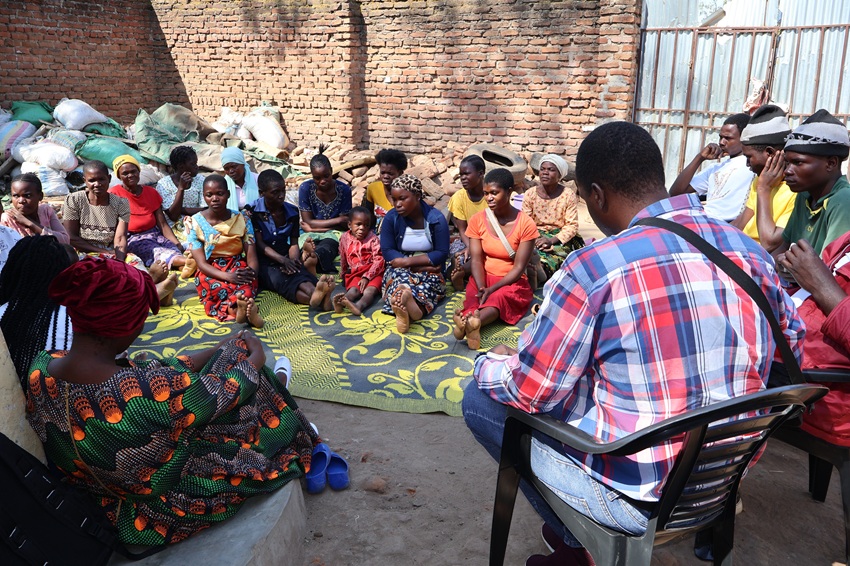
Speaking during community gatherings in Blantyre District, Temwanani Banda highlighted how the initiative enables women to connect their personal experiences with broader environmental and social justice concerns. "Some women in my community walk for hours just to gather firewood, time that could be spent with their families, businesses, or for rest," Banda explained.
"Others purchase charcoal, which is costly and fills our homes with smoke each time we cook. Every meal comes with an invisible toll on our health and the environment."
The project, implemented by the Get Together Youth Organization in collaboration with civil society groups through the Zingwangwa Youth Network, is funded and technically supported by SHINE Collab. It targets the pressing issue of charcoal and firewood dependence, which affects an estimated 85 to 95 percent of households in Blantyre District. Women and girls are particularly impacted as they are primarily responsible for fuel collection and meal preparation.
Using an eco-feminist approach that intertwines women's rights, environmental conservation, and energy access, the project engages women in community dialogues and participatory learning circles. These sessions allow women to share their experiences and devise practical solutions to enhance livelihoods while mitigating environmental degradation.
Dr Melania Chiponda, Executive Director of SHINE Collab, emphasized that climate resilience and gender justice are intertwined with energy access. "Women’s experiences must be placed at the heart of climate and development dialogues," she stated. "Their daily struggles—fuel collection and climate change impacts—are part of larger systems that undervalue women’s labor and natural resources."
Community members involved in the project report that it helps them understand how household energy use, environmental conservation, and community well-being are interconnected. Women are recognizing that reducing reliance on charcoal and firewood can lead to healthier homes, less forest pressure, and more economic opportunities.
Malawi currently grapples with climate-related challenges such as erratic rainfall, prolonged droughts, and mounting pressure on natural resources. Experts caution that continued dependence on biomass fuels exacerbates deforestation and diminishes climate resilience, especially for rural areas. For Banda, the initiative symbolizes more than just a change in cooking methods.
It represents dignity, health, and the acknowledgment of women's role in safeguarding their communities and the environment. "It is about empowerment, health, and recognizing women’s leadership in creating solutions that benefit families and future generations," she said. "Women are not mere energy users; they are innovators driving solutions that benefit current and future generations."
As Malawi strives for sustainable development and climate-resilient growth, projects like the Eco-Feminist Energy Justice Project illustrate how community-driven strategies can simultaneously promote gender equality, environmental protection, and energy security. SHINE Collab believes that empowering women to lead energy solutions is crucial for a just and sustainable future where clean cooking is a universal right, not a privilege.
Written by urgent.news from KBC's reporting — not their text. Machine-written — may contain errors; check the original before relying on it.