Long Before Toy Story, It-Narratives Imagined the Inner Lives of Objects
It’s nighttime in the playroom and the toys have gathered for a conference. For modern audiences, this scene likely evokes the imaginative world of Toy Story, the long-running film franchise about the secret lives of children’s toys, which launched to
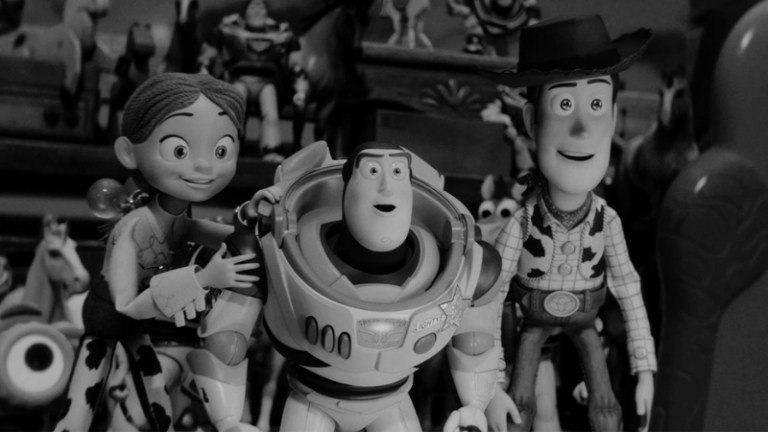
Before the creation of Toy Story, stories of objects sharing their experiences had long existed. These narratives, known as it-narratives, first gained popularity in eighteenth-century Britain. In these tales, inanimate objects or animals narrate their adventures and interactions as they move from one owner to another.
It-narratives often employ first-person narration and aim to blur the line between subject and object. This allows readers to imagine the world from the perspective of small and often overlooked things. The genre initially catered to an adult audience, using object narrators to satirize social issues and critique growing consumer culture.
For example, Addison's "Adventures of a Shilling" (1710) and Johnstone's "Chrysal; or, the Adventures of a Guinea" (1760) exposed greed and self-interest in British society. The adventures of the shilling and guinea included encounters with bribe-givers, exploitative merchants, and even a destitute poet who used the guinea to buy food.
It-narratives sometimes leaned into sensationalism and even included elements of pornography. The intimate proximity of object narrators to human bodies led authors to include explicit details about people's private lives. For example, in Helenus Scott's "The Adventures of a Rupee" (1782), the rupee's travels across India, China, and England included visits to a seraglio.
Similarly, Charles Johnstone's "Chrysal" also featured explicit content, such as the novel's protagonist, a guinea, encountering a sex worker on the street.
While these early it-narratives were primarily adult-oriented, by the mid-nineteenth century, authors began to explore the genre with a moral focus. Religious organizations, such as missionary groups, produced it-narratives featuring object narrators with a moral message. These stories often featured objects like Bibles and prayer books and targeted young audiences.
The object narrators would observe, judge, and sometimes reward or punish human behavior, much like the toys in Toy Story. For instance, Bibles and prayer books were popular it-narratives that taught moral lessons to children.
Written by urgent.news from Literary Hub's reporting — not their text. Machine-written — may contain errors; check the original before relying on it.