Liberals wanted to extend the royal commission. But Jewish groups did not join the call
Judging the work of the royal commission on antisemitism has been complicated by the need to protect the trial of the alleged Bondi gunman.
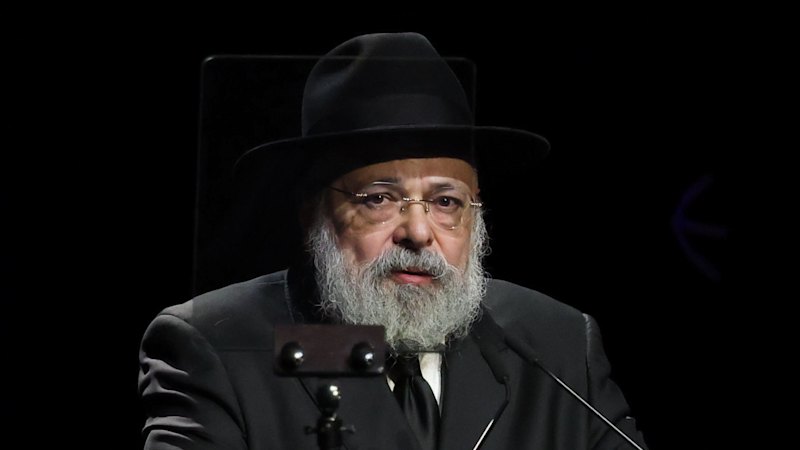
The royal commission into antisemitism and social cohesion in Australia has exposed the fear and anguish experienced by Jewish Australians since the October 7 attack on Israel and the subsequent war in Gaza. Quarter of a century after the Bondi terror attack, the inquiry began amid grief, with one survivor Liat testifying to the "pervasive fear" that gripped her university campus after the tragic incident.
The commission, which concluded its public hearings after four months, faced criticism over its narrow definition of antisemitism, limited inclusion of voices supportive of Palestine, and the safety concerns of those who spoke out. Alex Ryvchin, co-chair of the Executive Council of Australian Jewry, emphasized that the public hearings brought to light the anguish of ordinary community members.
The final week of hearings saw calls from the federal opposition and some Jewish leaders to extend the inquiry's timeframe. However, commissioner Virginia Bell SC resisted the request, aiming to avoid the final report coinciding with the first anniversary of the Bondi attack. Critics argue that the commission missed opportunities to hear from pro-Palestine activists, who have faced abuse from pro-Israel groups.
Jewish historians and advocates have noted the importance of examining antisemitism as a form of racism and holding those responsible accountable for the crisis.
Written by urgent.news from The Guardian Australia's reporting — not their text. Machine-written — may contain errors; check the original before relying on it.