Las fuerzas devastadoras responsables de la mortal riada del Himalaya
La riada que arrasó varios asentamientos cerca de la frontera entre Nepal y China se produce en un momento en que los científicos advierten de que el cambio climático está aumentando los riesgos. Leer
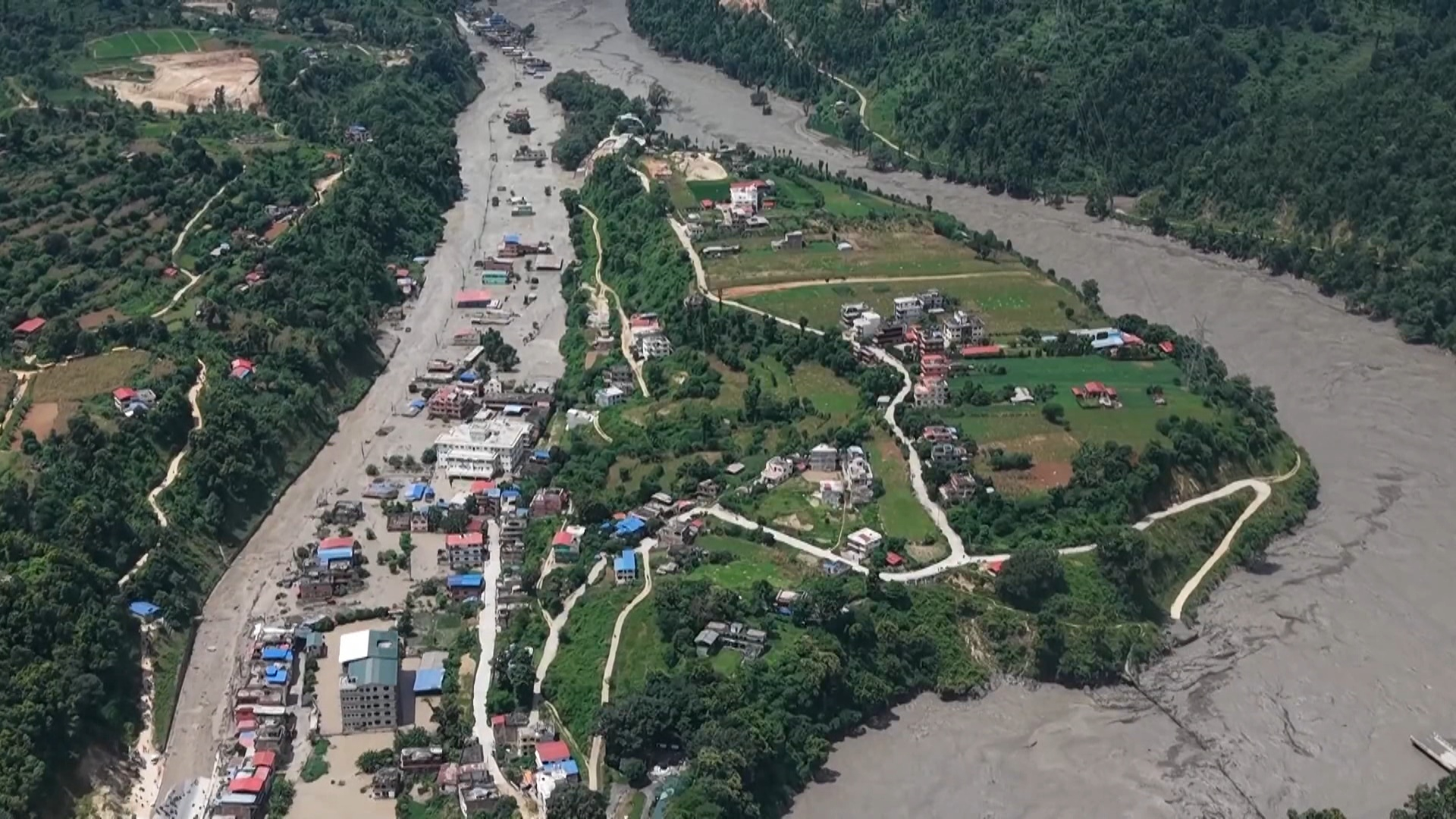
A catastrophic flood in the Himalayas claimed over 469 lives and left more than 1,400 people missing, according to Nepalese authorities. The disaster, which struck settlements near the Nepal-China border, serves as a stark reminder of the increasing risks posed by climate change to populations in the region. Scientists warn that the Himalayas are highly vulnerable to climate change, with temperatures rising faster than the global average.
Initial reports suggested that a large section of the Langtang Lirung mountain near Tibet collapsed, sending a massive glacier block into the Koshi River valley. Satellite images showed that a significant amount of rock and ice broke off and slid downhill, causing a devastating surge of water, rock, mud, and debris. The force of the debris was initially mistaken for an earthquake, but it released enough energy to melt glaciers and trigger the massive flood.
Simon Allen, a disaster risk researcher at the University of Zurich, stated that the images clearly showed a large mass of rock and ice had broken off and fallen as an avalanche, leading to the catastrophic flood. The Himalayan glaciers, which are retreating rapidly due to rising global temperatures, are particularly susceptible to glacial lake outburst floods (GLOF) caused by the destabilization of permafrost.
Anil Kulkarni, a glaciologist at the Indian Institute of Science, explained that the Himalayan glaciers are melting at an unprecedented rate, weakening the permafrost and increasing the risk of such disasters.
The construction of hydroelectric dams and rapid development in the Himalayas are further exacerbating the vulnerability of the region to glacial collapses and massive floods. As Kulkarni pointed out, these events can lead to the collapse of dams, threatening the lives of millions living in river valleys. Scientists emphasize the need for early warning systems, but detecting glacial collapses remains extremely challenging, as they often resemble typical glaciers and can be difficult to predict.
Written by urgent.news from Expansion ES's reporting — not their text. Machine-written — may contain errors; check the original before relying on it.