Japan to survey animal cafes over hygiene and welfare concerns
The nation has hundreds of the cafes where campaigners say animals are sometimes kept in cramped spaces.
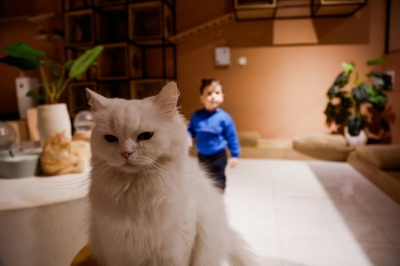
Japan is preparing to investigate the conditions in popular animal cafes, following worries about cleanliness and the welfare of the animals housed there, authorities announced on Thursday. The country boasts hundreds of these cafes, where patrons can engage with creatures such as cats and capybaras, though critics argue that the animals are often confined to small enclosures and that the trend fuels the illicit trade of rare wildlife.
A survey will commence next month to gather details like the total number of cafes and the species they house, according to an Environment Ministry official. The inquiry will also assess compliance with relevant regulations, including whether the animals are provided with sufficient space and how frequently the facilities are cleaned.
Further inspections may be conducted if any non-compliance is detected. This move comes after suggestions from an expert panel on animal welfare. Animal welfare organizations have been vocal about their concerns regarding the cafes, where visitors can interact with a wide range of animals, including micro-pigs, hedgehogs, owls, and snakes.
A 2025 survey by World Wide Fund for Nature Japan revealed that some establishments even house endangered species listed on the International Union for Conservation's Red List and those protected by the Convention on International Trade in Endangered Species. These cafes frequently fall short in hygiene management, with microbiological tests uncovering pathogenic bacteria in numerous locations.
Laila Imai, Asia campaign coordinator for PETA, expressed concern over the constant interaction and exposure to noise, flashing cameras, and strangers that these animals endure, emphasizing that the animals' well-being often takes a backseat to the customers' entertainment. While some animal cafes serve as adoption centers, aiding in the placement of rescued cats and dogs, the broader implications of these popular attractions remain a subject of debate.
Written by urgent.news from Japan Times's reporting — not their text. Machine-written — may contain errors; check the original before relying on it.