ISRO's High-Stakes Comeback: EOS 5 Launch Set For September 4 After Back-To-Back PSLV Setbacks
Nearly eight months after its last launch and amid heightened scrutiny following two successive setbacks involving its Polar Satellite Launch Vehicle (PSLV), the Indian Space Research Organisation (ISRO) is preparing to return to the launchpad with a high-stakes Earth observation mission. ISRO Chairman Dr V Narayanan told NDTV that the space agency is readying for the important mission, which is…
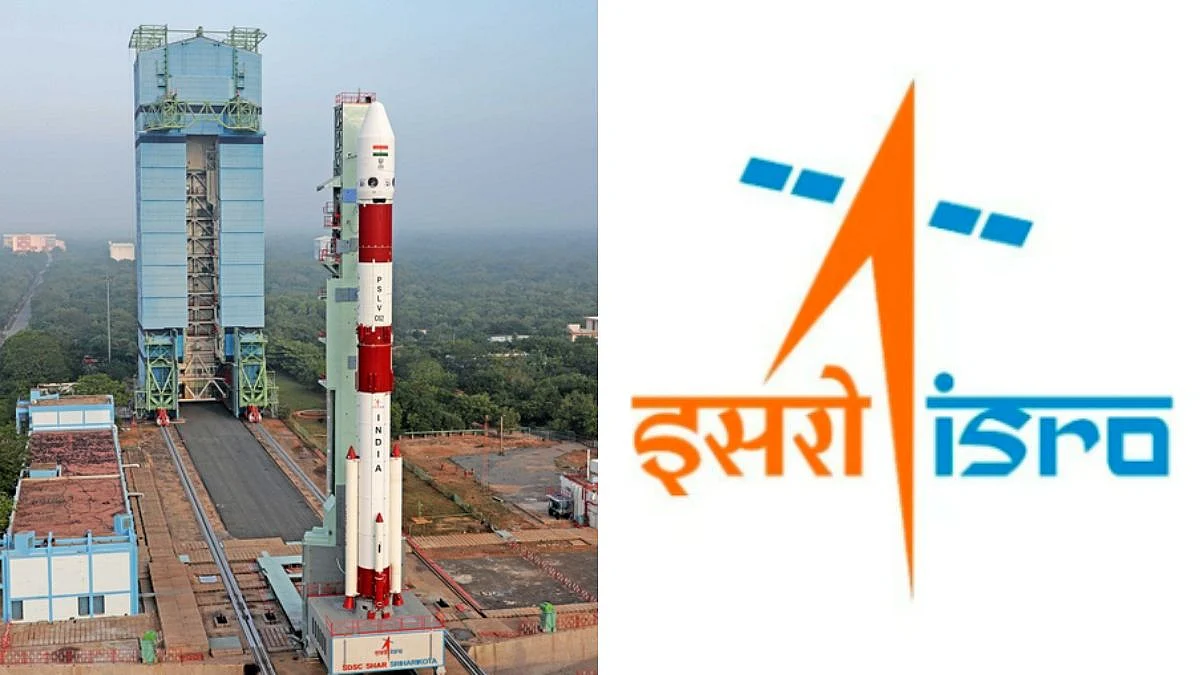
Following two consecutive setbacks involving its Polar Satellite Launch Vehicle (PSLV), India's space agency, the Indian Space Research Organisation (ISRO), is poised to make a high-stakes return to the launchpad. Scheduled for the early hours of September 4, ISRO will attempt to deploy EOS 5, one of its most significant Earth observation satellites, using the Geo-synchronous Satellite Launch Vehicle (GSLV F17). This mission comes after the PSLV remained grounded due to two back-to-back failures.
EOS 5, previously known as GISAT 1A, boasts the capability to provide India with near-continuous coverage of its territory from an altitude of approximately 36,000 kilometres. Positioned in a high-altitude orbit, the satellite is expected to play a crucial role in monitoring various developments across the country. The launch is planned during a time when most of the nation is still asleep, allowing for optimal conditions.
The EOS 5 mission is part of ISRO's ambitious schedule, which includes seven launch plans by March 2027. This year, ISRO aims to complete 12 satellites and conduct eight launch vehicle missions, catering to a range of applications such as communications, navigation, Earth observation, and scientific research. The agency is also working towards achieving milestones in human spaceflight and space exploration.
The return to launch operations is particularly significant for ISRO, as the PSLV continues to remain grounded post-consecutive failures. However, the GSLV Mk II, scheduled to carry EOS 5, uses a different propulsion architecture. This reduces the direct technological overlap between the two situations, providing ISRO with an opportunity to demonstrate the reliability of the GSLV Mk II and restore momentum to its launch program.
The EOS 5 launch holds additional importance as it serves as a test of the GSLV Mk II's operational reliability and showcases ISRO's progress with its launch vehicle technology. The successful mission will not only deploy a single satellite but also deliver an Earth observation capability with wide-ranging applications, including disaster response, meteorology, agriculture, and security.
Written by urgent.news from Free Press Journal's reporting — not their text. Machine-written — may contain errors; check the original before relying on it.