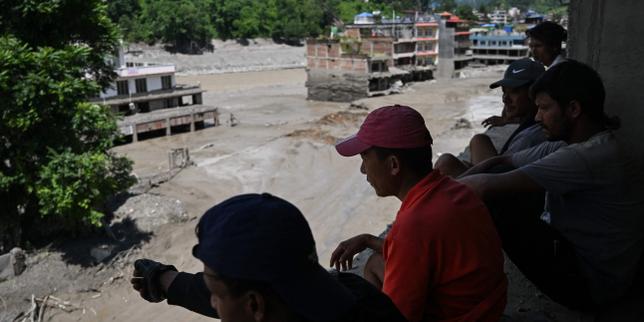
Iran war changed Middle East but not in way US, Israel hoped
It's been six months since the United States and Israel attacked Iran with the perennial goal of transforming the Middle East through military force. The region has changed, but not in the way they had hoped. The Islamic Republic survived the assassination of its top leaders and weeks of heavy bombing, and found a potent form of leverage in the Strait of Hormuz. Gulf Arab nations saw worrying…
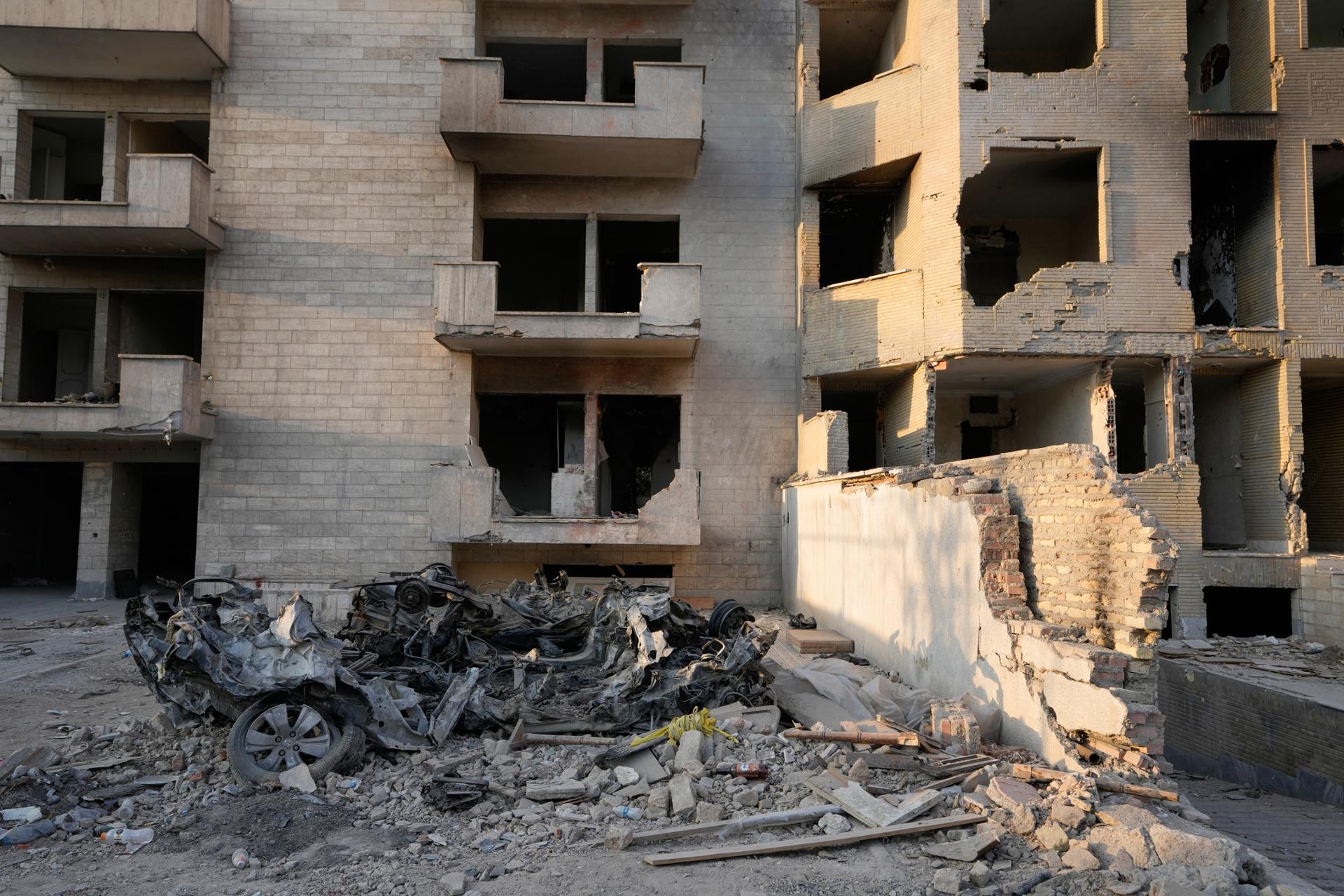
Six months have passed since the United States and Israel launched attacks on Iran, with the ultimate aim of reshaping the Middle East through military intervention. The region's landscape has indeed altered, but not according to the expectations of the United States and Israel. Despite the assassination of its top leaders and intense bombing raids, the Islamic Republic endured, discovering a valuable asset in the Strait of Hormuz.
Gulf Arab nations observed significant vulnerabilities in the long-standing American security shield and are contemplating alternative options. Israel, on the other hand, managed to strike back its adversaries without annihilating them, and after nearly three years of conflict in Gaza and the annexation of new territories, it now faces the possibility of a generational rift with the U.S., its closest ally.
The hopes of establishing normal relations with Saudi Arabia, another long-standing aspiration of the U.S. and Israel, have further disintegrated. When the U.S. and Israel launched their assault on Iran on February 28th, their objective was to eliminate the clerical leadership and replace it with a pro-Western government. However, their efforts have resulted in a "hardened and very radical regime," according to Barbara Leaf, a former ambassador.
Written by urgent.news from The Korea Times's reporting — not their text. Machine-written — may contain errors; check the original before relying on it.
This story
This is one outlet's version. Read the fullest account.