Iran rift widens as supreme leader tells ministers to stop publicising country's problems
Iran's supreme leader Ayatollah Mojtaba Khamenei told officials on Friday to stop publicising problems and instead highlight the country's “power and strength”, in the latest sign of a leadership rift in Tehran. Mr Khamenei's message – published by state media shortly before President Masoud Pezeshkian was due to appear on television – appeared to slap down officials who have acknowledged…
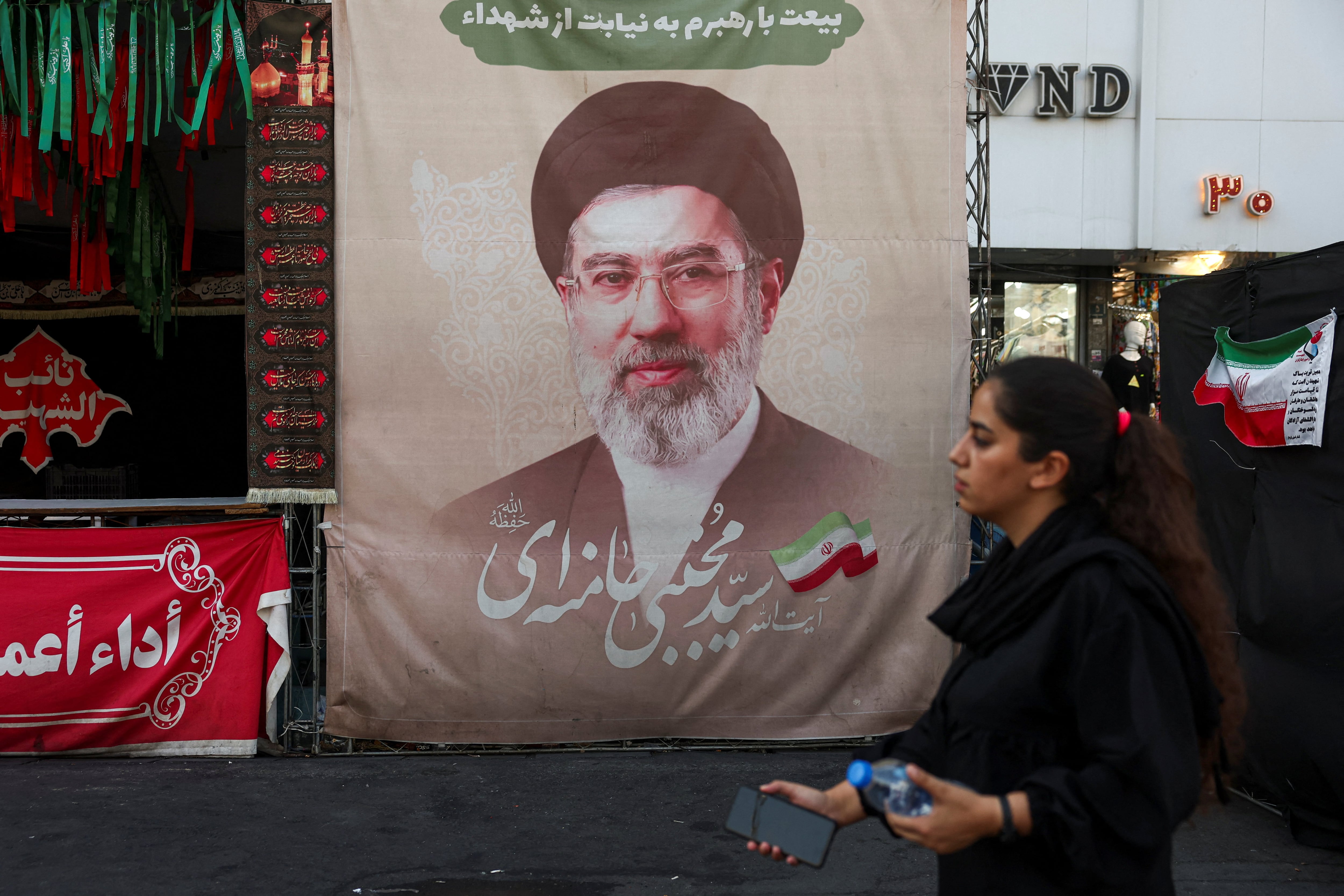
Iran's supreme leader, Ayatollah Mojtaba Khamenei, has instructed officials to stop publicizing the country's problems and instead focus on Iran's "power and strength," according to state media. The directive emerged as President Masoud Pezeshkian was set to appear on television, suggesting a widening rift within the Iranian government. The order came shortly before the president's televised appearance, implying a rebuke of officials who have acknowledged economic hardships in recent days.
The economic concerns arose after fears of rising fuel prices led to long queues at petrol stations in Tehran. The United States recently announced new sanctions in an attempt to isolate Iran's struggling economy and compel it to make concessions during peace talks. Amid these developments, Khamenei emphasized the importance of highlighting Iran's strength, while also stressing that weaknesses and defects should not be highlighted but addressed through planning and action.
Pezeshkian responded to the supreme leader's message, pledging to act with "complete unity and cohesion" alongside other branches of government. The president's comments came as Iran faces protests over economic hardship, reminiscent of the anti-regime revolts that occurred in December and January. These protests, triggered by anger over the weak currency and the cost of living, led to the death of several top leaders and commanders, causing confusion over the true power structure in Tehran.
Pezeshkian, who has been largely absent from security matters due to the influence of the Islamic Revolutionary Guard Corps, has been focused on domestic issues, including high prices and job losses. The president has provided mixed accounts of his access to Khamenei, with officials admitting to difficulties while praising the government's efforts to stabilize the economy.
The situation has also affected negotiations with the United States. Top negotiator Mohammed Bagher Ghalibaf faced criticism from a prominent ultraconservative newspaper editor for allegedly softening his stance during talks with the US. In response, Khamenei rejected the notion of a "dualism" of war or negotiations, warning against weakening national and public motivations. However, he also ordered officials to pay serious attention to issues such as inflation and unemployment.
Khamenei's absence from public view has fueled speculation about his health and whereabouts. US President Donald Trump suggested that Khamenei may be seriously wounded but alive. Meanwhile, Pezeshkian has denied rumors of his resignation. Even in typical circumstances, the president's role in Iran's complex regime is limited, as he works within a web of religious and military authorities.
Written by urgent.news from The National UAE's reporting — not their text. Machine-written — may contain errors; check the original before relying on it.
This story
This is one outlet's version. Read the fullest account.
- Handcuffed at gunpoint: Sailor tells of ordeal in Iran’s Bandar Abbas jail thenationalnews.com
- Iran's Supreme Leader bans acts that 'harm social cohesion' middleeasteye.net