Iran rift widens as supreme leader tells ministers to stop publicising country's problems
Iran's supreme leader Ayatollah Mojtaba Khamenei told officials on Friday to stop publicising problems and instead highlight the country's “power and strength”, in the latest sign of a leadership rift in Tehran. Mr Khamenei's message – published by state media shortly before President Masoud Pezeshkian was due to appear on television – appeared to slap down officials who have acknowledged…
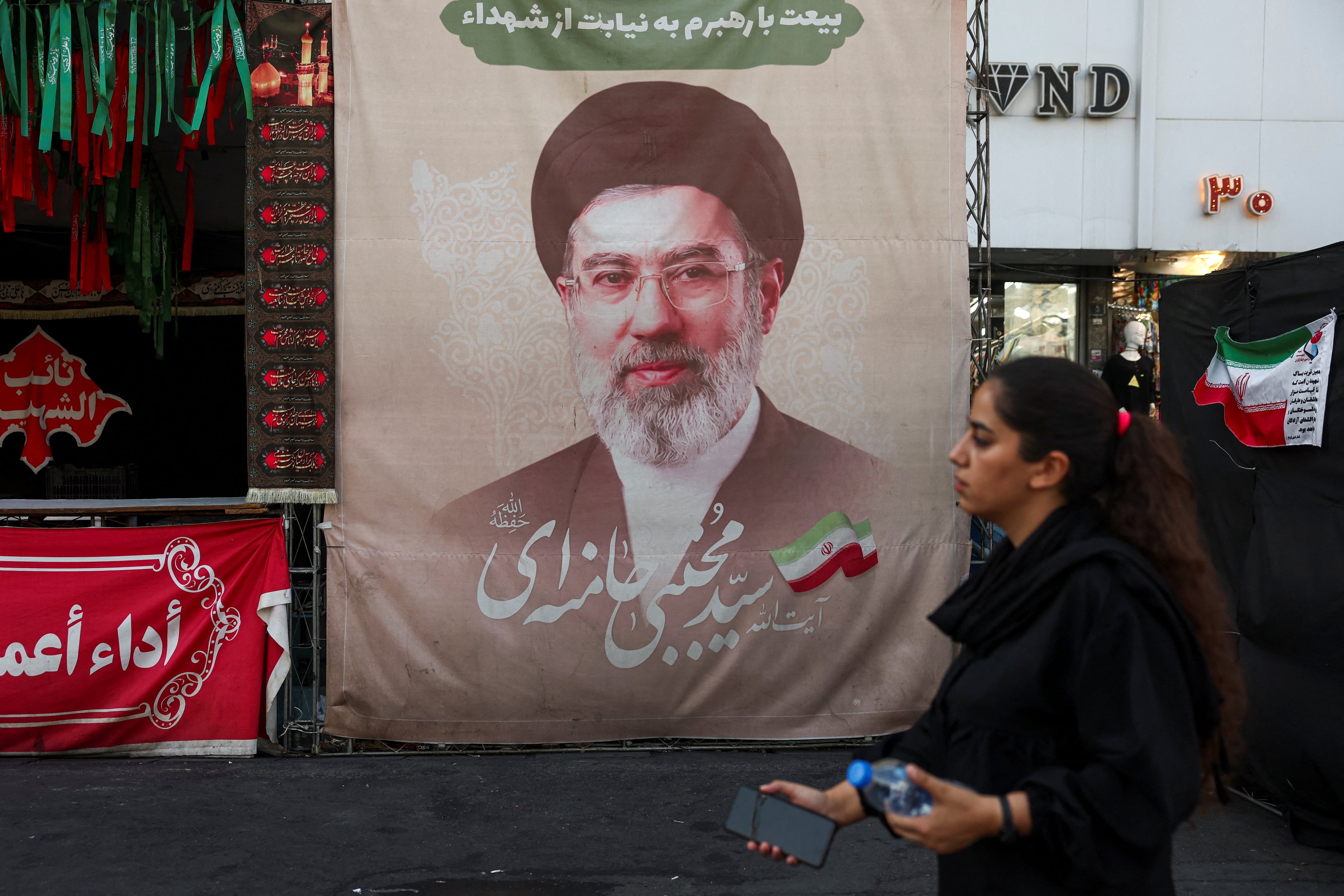
Iran's supreme leader, Ayatollah Mojtaba Khamenei, instructed government officials on Friday to cease publicizing the nation's challenges and instead emphasize its "power and strength," signaling growing discord within Tehran's leadership. The directive was published by state media as President Masoud Pezeshkian was set to appear on television.
Khamenei's message seemed to rebuke officials who had acknowledged economic difficulties in recent days, as the government attempted to assuage public concerns following reports of rising fuel prices and lengthy lines at Tehran's petrol stations.
The United States recently imposed new sanctions aimed at isolating Iran's already fragile economy and pressuring it to make concessions in ongoing peace talks. In reaction to these sanctions, Khamenei emphasized the importance of highlighting Iran's power and strength, stating that "weakness, defects, and deficiencies do not require narration and highlighting; rather, they require planning and action to resolve and solve the problem."
He cautioned that weakness expressed honestly when the enemy seeks to exploit it could inadvertently aid their cause.
In response to Khamenei's decree, Pezeshkian vowed to act with complete unity and cohesion alongside other branches of government. Tensions escalated in December and January when protests against Iran's weak currency and soaring living costs escalated into one of the most significant anti-regime revolts since the 1979 revolution.
The United States and Israel launched strikes on Iran six months ago, which failed to topple the regime but resulted in the deaths of several top leaders and commanders, creating confusion about who holds authority in Tehran.
Pezeshkian, who appears to have been sidelined in security matters by the influential Islamic Revolutionary Guard Corps, has mostly focused on domestic issues amidst high prices and job losses. The president has provided conflicting accounts of his relationship with Khamenei, acknowledging recent "difficulties and hardships" while asserting that the government is working to stabilize the economic situation. Fuel production has reached capacity due to high demand.
Confusion over command became apparent during talks with the United States. Noted negotiator Mohammed Bagher Ghalibaf was criticized by an ultraconservative newspaper editor for "going soft" on the interim deal reached with the US in June. Khamenei, who has not been seen in public since his election in March, warned against the "imaginary dualism" of war or negotiations, reiterating his concern about weakening national and public morale.
However, he also ordered officials to give serious attention to issues such as inflation and unemployment.
Khamenei's prolonged absence from public view has sparked speculation about his health and whereabouts. US President Donald Trump suggested on Wednesday that Khamenei was "very seriously wounded" but alive. Pezeshkian has denied rumors of his resignation, even in normal times, the president operates within Iran's intricate political structure, collaborating with layers of religious and military authority.
Written by urgent.news from The National Business's reporting — not their text. Machine-written — may contain errors; check the original before relying on it.
Also reported by 2 other outlets
- Handcuffed at gunpoint: Sailor tells of ordeal in Iran’s Bandar Abbas jail thenationalnews.com
- Iran's Supreme Leader bans acts that 'harm social cohesion' middleeasteye.net