'I was sure I was going to die': After floods in Nepal and Tibet, stunned survivors and desperate families searching for missing loved ones
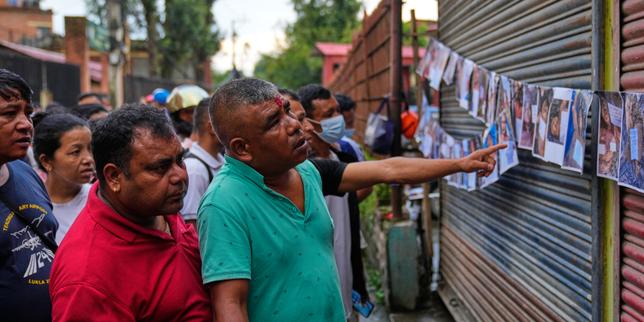
Hospitals in Kathmandu are seeing a constant stream of people searching for missing loved ones after the massive floods that killed at least 584 people, while nearly 2,500 remain missing in Nepal and Tibet.
Rebuilding Nepal's infrastructure following the recent flash floods could cost at least $5 billion, according to the country's only billionaire, Binod Chaudhary. The Himalayan terrain poses significant challenges to reconstruction efforts, which could extend over several years, Chaudhary warned in a Bloomberg TV interview. The estimate takes into account the extent of the damage to infrastructure as well as the time and effort required to rebuild in such difficult geography. Also Read: What we know and don't know about the Nepal tragedy
On August 26, flash floods swept through Nepal's mountainous border region with China, destroying villages, roads, bridges, and power infrastructure. At least 469 people have died, with about 1,200 still missing, as per Bloomberg's figures. Chaudhary, chairman of the Chaudhary Group, stated that Nepal was not prepared for another disaster of this magnitude, similar to the 2015 earthquake, and the death toll might be significantly higher.
The billionaire is contributing to relief efforts, working alongside the government, local administration, and the army to set up camps and rehabilitation centers in affected areas. Chaudhary Group plans to transition from immediate relief to rebuilding shelters, schools, and reviving local economies. The reconstruction spending is expected to surpass their efforts after the 2015 earthquake, which took seven to eight years, Chaudhary added.
The latest disaster is likely to present not just a financial challenge but also a long-term reconstruction test for Nepal, given the damaged infrastructure spread across some of the country's most challenging terrain.
Written by urgent.news from The Economic Times's reporting — not their text. Machine-written — may contain errors; check the original before relying on it.
This story
This is one outlet's version. Read the fullest account.
- 21 Nepal flash flood survivors from TN safely arrive in Delhi hindustantimes.com
- Hundreds dead and almost 2000 missing after Nepal’s flash floods theage.com.au
- Hundreds dead and almost 2000 missing after Nepal’s flash floods smh.com.au
- ‘We’ve been so worried’: Another B.C. couple missing after Nepal flash flooding globalnews.ca
- Nepal’s devastating floods: 10 seconds could save lives theconversation.com
- Nepal floods may cost $5 bn to rebuild: Billionaire economictimes.indiatimes.com