How Brazil Turned Donated Breast Milk Into a Public Health Resource for Babies
Brazil has built one of the world’s largest networks for collecting and distributing donated human milk. The system primarily supports premature and low-birth-weight newborns who cannot receive enough milk from their mothers, connecting volunteer donors with hospital neonatal units through the public health service. What began as a single human milk bank in Rio de […]
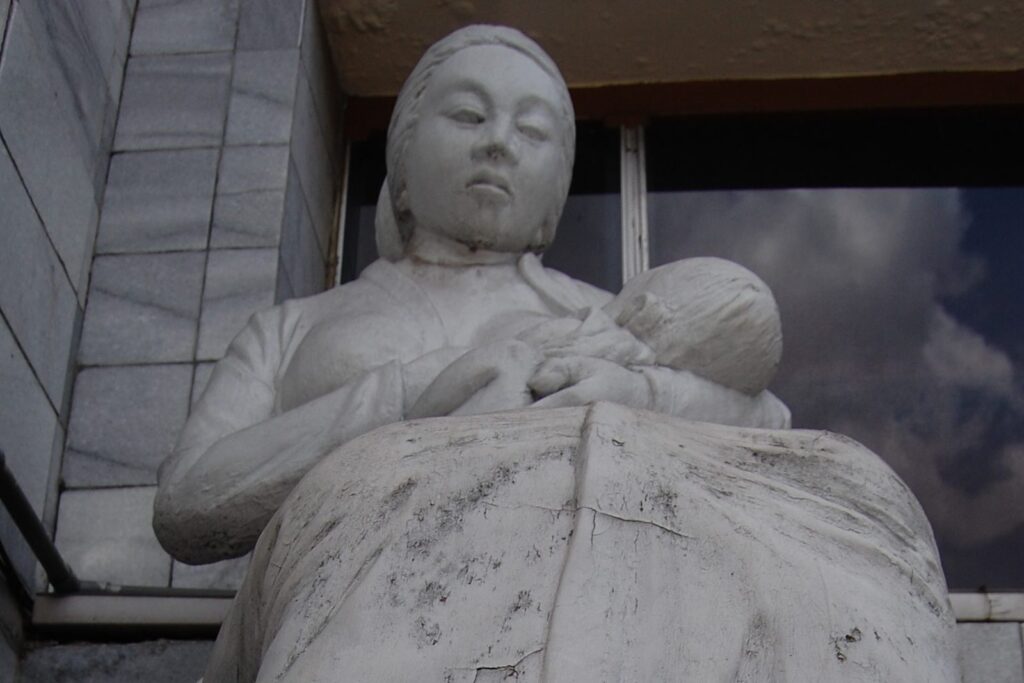
Brazil's network of human milk banks has transformed donated breast milk into a critical public health resource for newborns. The system, primarily serving premature and low-birth-weight infants, connects volunteer donors with hospital neonatal units through the public health service. The story began with a single milk bank in Rio de Janeiro in 1943 and has since expanded into a nationwide network.
Initially, there was no standardized process for handling donated milk, but researchers led by João Aprígio Guerra de Almeida developed techniques to process and distribute the milk safely. In 1998, the Ministry of Health and Fiocruz established the Brazilian Human Milk Bank Network, integrating it into the Unified Health System (SUS) and enabling it to grow throughout the country.
Today, these banks not only collect and pasteurize milk but also provide breastfeeding support, lactation education, and counseling to families with hospitalized infants. The milk banks primarily serve premature babies who may not receive enough milk from their mothers. When a mother cannot produce enough milk, doctors prescribe pasteurized donor milk, which the banks provide while encouraging mothers to establish or maintain breastfeeding.
Donors must meet specific criteria, including being healthy, breastfeeding their own children, and not taking medications that could prevent donation. Milk banks perform rigorous quality control, including donor screening, sensory and physicochemical evaluations, pasteurization, microbiological testing, and traceability. Brazil's approach emphasizes voluntary donation rather than commercial sales, making the milk a public resource managed by the public health system.
The system's success has led to international cooperation, with researchers and health authorities sharing knowledge and techniques with other countries. However, the network's sustainability relies on a steady flow of donated milk from mothers who produce surplus milk.
Written by urgent.news from Colombia One's reporting — not their text. Machine-written — may contain errors; check the original before relying on it.