Google data center deal gives Texas farmer 60 days to leave 600 rented acres
In rural Texas, expansive tracts of farmland are increasingly being repurposed for technology ventures, primarily data centers by major tech enterprises. This shift is impacting farmers, especially with resource competition over vital necessities like water. Concerns have been raised by state officials regarding the permanent loss of fertile land, highlighting a significant transition in the…
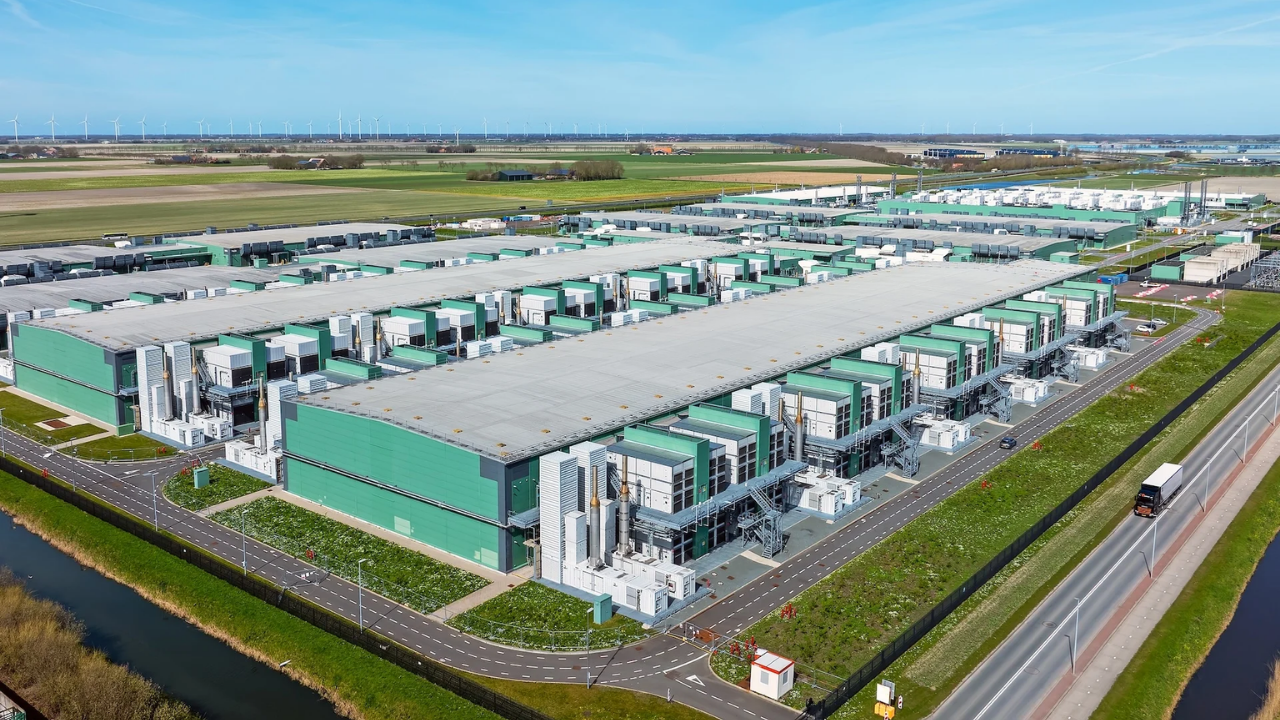
Fourth-generation West Texas farmer Cheyenne Buerger faced the abrupt loss of 600 rented acres when a developer purchased the land to accommodate a Google facility. With limited time to harvest remaining crops, Buerger's family farm lost a significant portion of their operations. The expansion of data centers, driven by technology companies seeking affordable land for AI and cloud computing, is transforming rural Texas landscapes.
According to The Texas Tribune, 67% of data centers in the U.S. are in rural areas, with Texas hosting 335 operational facilities and another 248 under development. Texas Agriculture Commissioner Sid Miller expressed concern over the displacement of fertile farmland for technology projects, warning of long-term consequences for food production.
Notable developments, such as Project Matador, Project Pacifico, and Project Meta, threaten to cover vast tracts of land with server campuses. The energy demands of these projects are substantial, with a single phase of Google's Project Roman requiring 3,700 acres of land and additional space needed for solar and wind infrastructure.
Clean energy initiatives, however, have already converted 1.5 million acres of farmland into solar energy production by 2024. For rural farmers like Buerger, the changing land-use dynamics pose significant challenges, as high land prices and competition for resources further impede their ability to adapt.
Written by urgent.news from Times of India's reporting — not their text. Machine-written — may contain errors; check the original before relying on it.