Ghana’s debt sustainability challenges persisted for 12 years, breached DSA indicators over period – Opoku-Afari
His article mentioned that the present value (PV) of public debt-to-Gross Domestic Product (GDP), which remained below the 55.0% threshold in the early 2010s, rose sharply after 2014 and persistently exceeded sustainable levels— reaching nearly 93% by 2022.
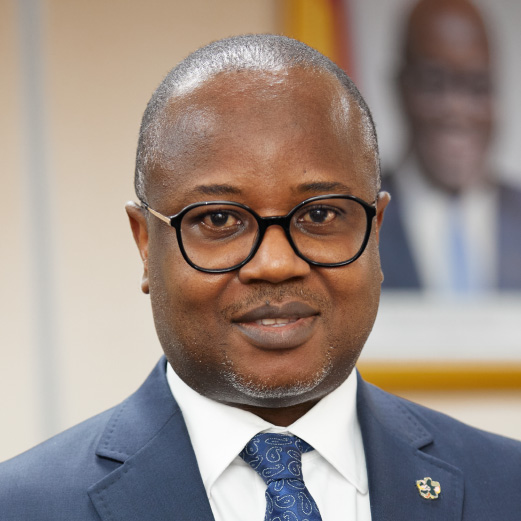
Ghana's debt sustainability challenges endured for a decade, culminating in a breach of Debt Sustainability Analysis (DSA) indicators between 2010 and 2022, according to Dr. Maxwell Opoku-Afari, a former First Deputy Governor of the Bank of Ghana. Despite repeated IMF support under the guise of "policy credibility" and liquidity assistance, Ghana's debt remained precarious.
Dr. Opoku-Afari outlined this in his paper, "How not to Miss a Crisis: Lessons from Ghana". He reported that the present value (PV) of public debt-to-GDP, which was below the 55.0% threshold in the early 2010s, surged dramatically after 2014 and remained far above sustainable levels, peaking at nearly 93% by 2022. During the 2015-2019 IMF program, debt accumulation slowed but stayed above the benchmark.
Similarly, the PV of external debt-to-GDP surpassed the 40% threshold from 2015 onward, partly due to currency devaluation. The 2015-2019 program saw a slight decrease, but it rose again during the COVID-19 pandemic. Dr. Opoku-Afari noted that debt restructuring subsequently lowered the foreign debt burden and improved this metric.
Nonetheless, the PV of external debt-to-exports remained below the 180% benchmark throughout the period. Liquidity indicators also deteriorated, with debt service-to-exports exceeding the 15% threshold from 2015, and debt service-to-revenue breaking the same benchmark as early as 2013, rising to over 40% of government revenues by 2022.
Collectively, these breaches indicate systemic fiscal frailty, with solvency and liquidity risks exacerbating each other and ultimately leading to debt distress and the necessity for restructuring. In 2022, Ghana defaulted on its debt obligations, prompting the country to seek IMF support, which in turn initiated the Economic Credit Facility (ECF) program.
Written by urgent.news from Joy Business's reporting — not their text. Machine-written — may contain errors; check the original before relying on it.
This story
This is one outlet's version. Read the fullest account.