Opoku-Afari: IMF programmes unable to address political economy roots of debt accumulation
A former First Deputy Governor of the Bank of Ghana has stated that given Ghana’s long history of International Monetary Fund-supported arrangements, observed surveillance shortfalls may also reflect limitations in programme design and the translation of diagnostic findings into binding reforms.
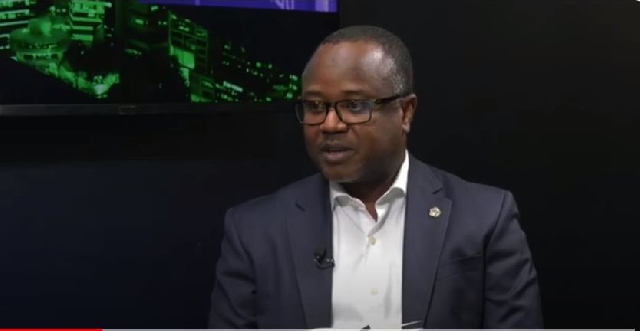
Former First Deputy Governor of the Bank of Ghana, speaking in his paper "How not to Miss a Crisis: Lessons from Ghana," highlighted that the International Monetary Fund's (IMF) programmes have struggled to effectively tackle the political-economy factors contributing to debt accumulation in Ghana. Over the past two decades, recurrent gaps have emerged in the IMF's approach, according to him.
These gaps include insufficient consideration of electoral competition and spending pressures driven by patronage, which place stress on the budget and increase rollover and liquidity risks. The surveillance also fell short in assessing the interaction between domestic debt and the banking system, the broader public-sector balance sheet, and the sovereign-bank "doom loop."
He argued that these gaps reveal a fundamental question: whether Ghana was correctly classified as a Lower Income Country-DSF (Debt Service Facility) throughout this period, considering its level of market access and the evolving structure of its debt.
The IMF's framework has limited capacity to quantify rollover, liquidity, and currency-related risks, which may have contributed to underestimating the probability of sudden market closures. These risks became particularly acute as investor confidence eroded following downgrades such as Moody's downgrade in February 2022.
While macroeconomic surveillance did not overlook Ghana's rising vulnerabilities, three critical limitations were identified. The Debt Sustainability Analysis baseline paths were often overly optimistic, assuming continuous fiscal consolidation driven by domestic revenue generation, which rarely materialised, and assumed robust growth while failing to adequately weigh potential downside scenarios.
The analysis also did not fully incorporate domestic debt dynamics and fiscal-financial feedback effects, leading to an understatement of rollover, liquidity, and banking sector channels.
Most importantly, IMF-supported programme design typically prioritised short-term fiscal consolidation over structural reforms essential for addressing the underlying debt accumulation drivers. These areas typically include energy pricing, State-Owned Enterprise (SOE) governance, and tax policy and administration. The former IMF Mission Chief concluded that a persistent criticism of Ghana's relationship with the IMF is that conditionality in programmes has historically emphasized fiscal consolidation rather than comprehensive structural reform.
Written by urgent.news from Joy Business's reporting — not their text. Machine-written — may contain errors; check the original before relying on it.