Furgoni, l’Italia frena rispetto all’Europa, -4,7% nel primo semestre
Il mercato domestico sconta l’effetto attesa indotto dagli incentivi, prenotati a fine luglio e esauriti nell’arco di qualche ora
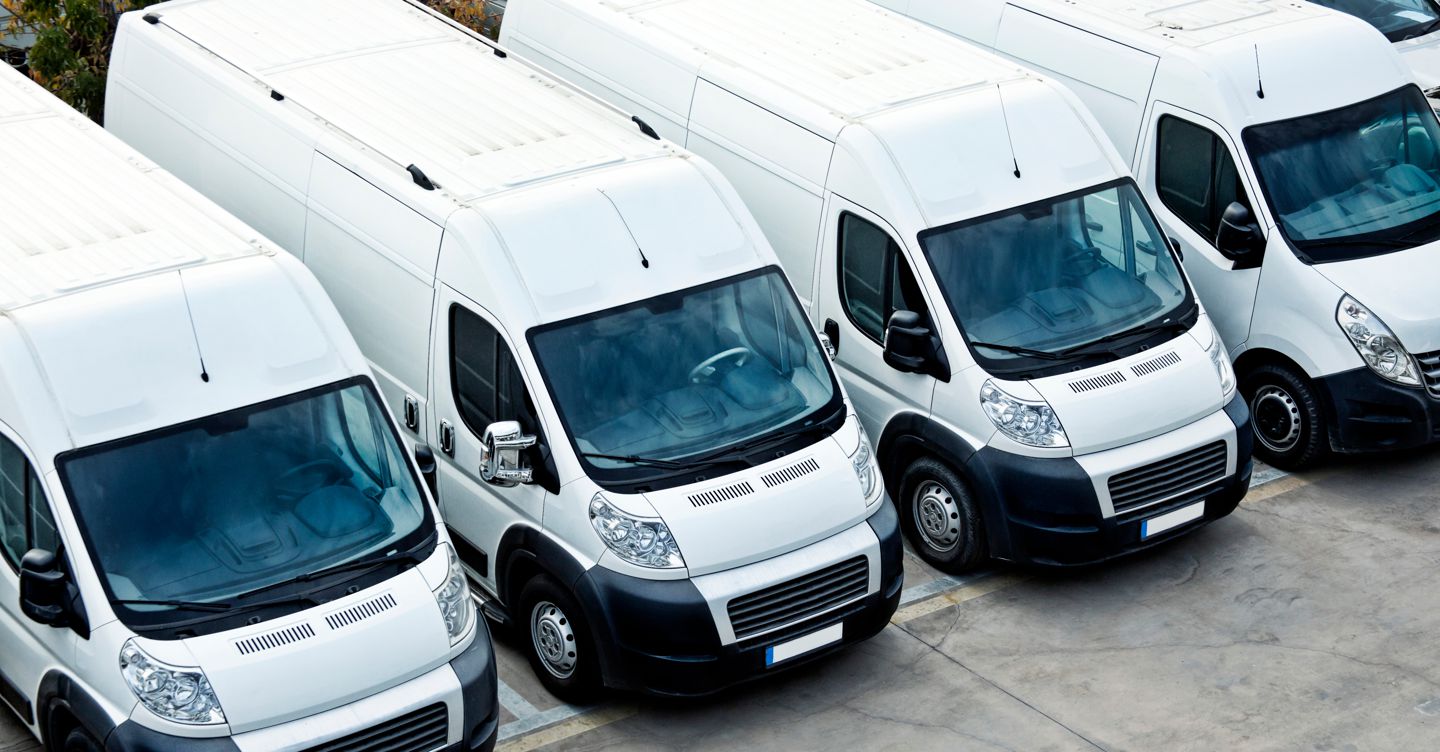
The Italian market for lorries is lagging behind Europe, with a -4.7% drop in registrations during the first half of the year, according to new data. This decline comes despite the expected impact of incentives that were distributed in a single day in late July. Italy accounts for 10% of the European market for commercial light vehicles and ranks fifth by size on the continent.
Within the domestic market, Italy has performed well in the medium and heavy-duty truck sectors, aligning with the European average. In comparison, the European Union (including EFTA and UK) saw a 1.7% growth in light commercial vehicles during the same period, while larger vehicles and heavy trucks increased by 9.3% and 8.6% respectively.
However, Italy stands out as one of the major European markets for lighter vehicles, recording a -4.7% decrease in registrations. This trend mirrors that of France (-2.1%) and Germany (-4.6%). On the brighter side, sales of medium and heavy-duty trucks and vehicles heavier than 16,000 kg have seen a 3.9% and 5.6% increase respectively in Italy.
The sector, especially the commercial light vehicle market, faces challenges in transitioning to cleaner, more sustainable technologies compared to passenger cars. While the European Union has introduced a decarbonization regulation that is increasingly stringent for passenger cars, the electric vehicle market in Italy remains limited by low market penetration rates.
Furthermore, the subsidy for electric and independent fuel vehicles was exhausted in under an hour, indicating a lack of interest among operators in low-impact modes of transportation. Associations representing the industry have emphasized the need for a structured and well-planned approach to market support tools. Furthermore, external parties like Motus-E argue that incentives alone are not enough to facilitate the transition to electric transportation; comprehensive support systems, including infrastructure for charging and energy cost containment, as well as tax credits for private investments in fast charging, are essential.
Written by urgent.news from Il Sole 24 Ore's reporting — not their text. Machine-written — may contain errors; check the original before relying on it.