From canals to city streets: The story of Thai boat noodles
Few Thai dishes are as instantly recognizable as kuay tiew ruea, or boat noodles — a humble bowl of noodles known for its dark, aromatic broth, bold seasoning and small serving size. The dish has long been associated with Thailand’s waterways. Its name comes from the vendors who once sold noodles from small boats along […] The post From canals to city streets: The story of Thai boat noodles…
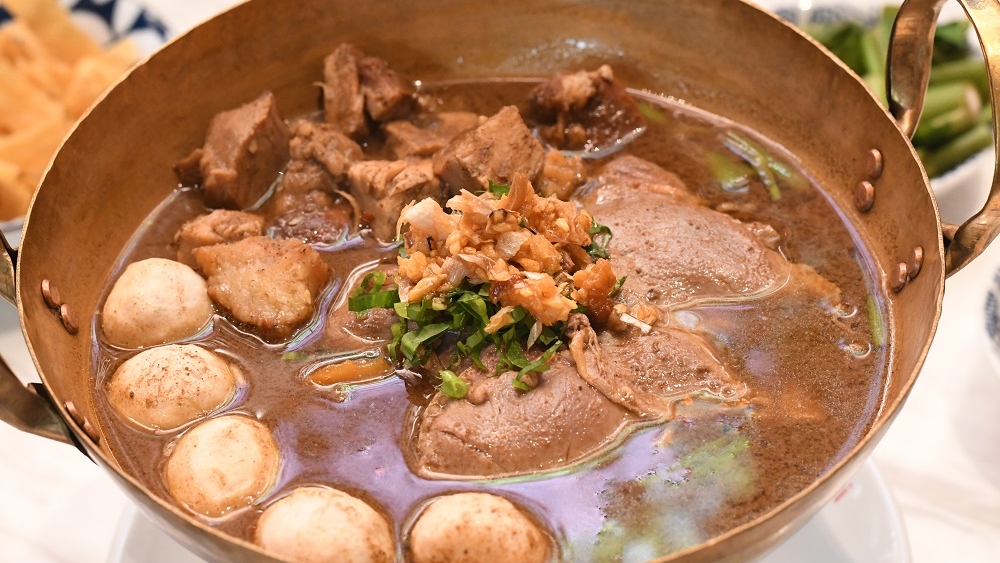
Thai boat noodles, also known as kuay tiew ruea, are a beloved dish instantly recognizable for its dark and aromatic broth, bold seasoning, and small serving size. The name stems from its origins as a dish sold by vendors from small boats along Thailand’s canals. What sets boat noodles apart is not only their portion size but also the richly flavored broth, which often contains pork or beef, meatballs, liver, and various toppings.
Some traditional recipes even incorporate pig’s or cow’s blood, adding to the broth’s depth and texture.
Variations of the noodles include thin rice noodles, thicker rice noodles, and egg noodles, while fresh vegetables like bean sprouts and morning glory are frequently added. At the table, diners have the freedom to add Thai seasonings such as chili flakes, fish sauce, sugar, and vinegar, tailoring the dish’s intensity to their personal preference.
From canals to bustling city streets, this humble bowl of noodles has a deep connection to Thailand’s canal culture, where vendors needed to serve customers efficiently due to limited space on their boats.
As Bangkok evolved and roads became the primary mode of transportation, the noodle sellers transitioned to serving on land, but the tradition of small bowls remained. Today, boat noodles are found throughout Thailand, from traditional neighborhood shops and markets to modern restaurants. Beyond being just noodles, the dish embodies the Thai culinary experience, with diners often ordering multiple small bowls, creating the familiar sight of tables filled with empty bowls by the end of a meal.
Boat noodles showcase the balance of salty, sweet, sour, and spicy flavors in a single meal, reflecting Thailand’s street food culture and connecting travelers to an earlier Bangkok where canals were vital transportation routes. Despite their small size, these noodles pack a big character, remaining one of Thailand’s most enduring and comforting dishes.
Written by urgent.news from Khaosod English's reporting — not their text. Machine-written — may contain errors; check the original before relying on it.