Fear of WTE rooted in outdated perception, says expert
Environmental specialist says greater transparency and public engagement are key to overcoming opposition to waste-to-energy projects.
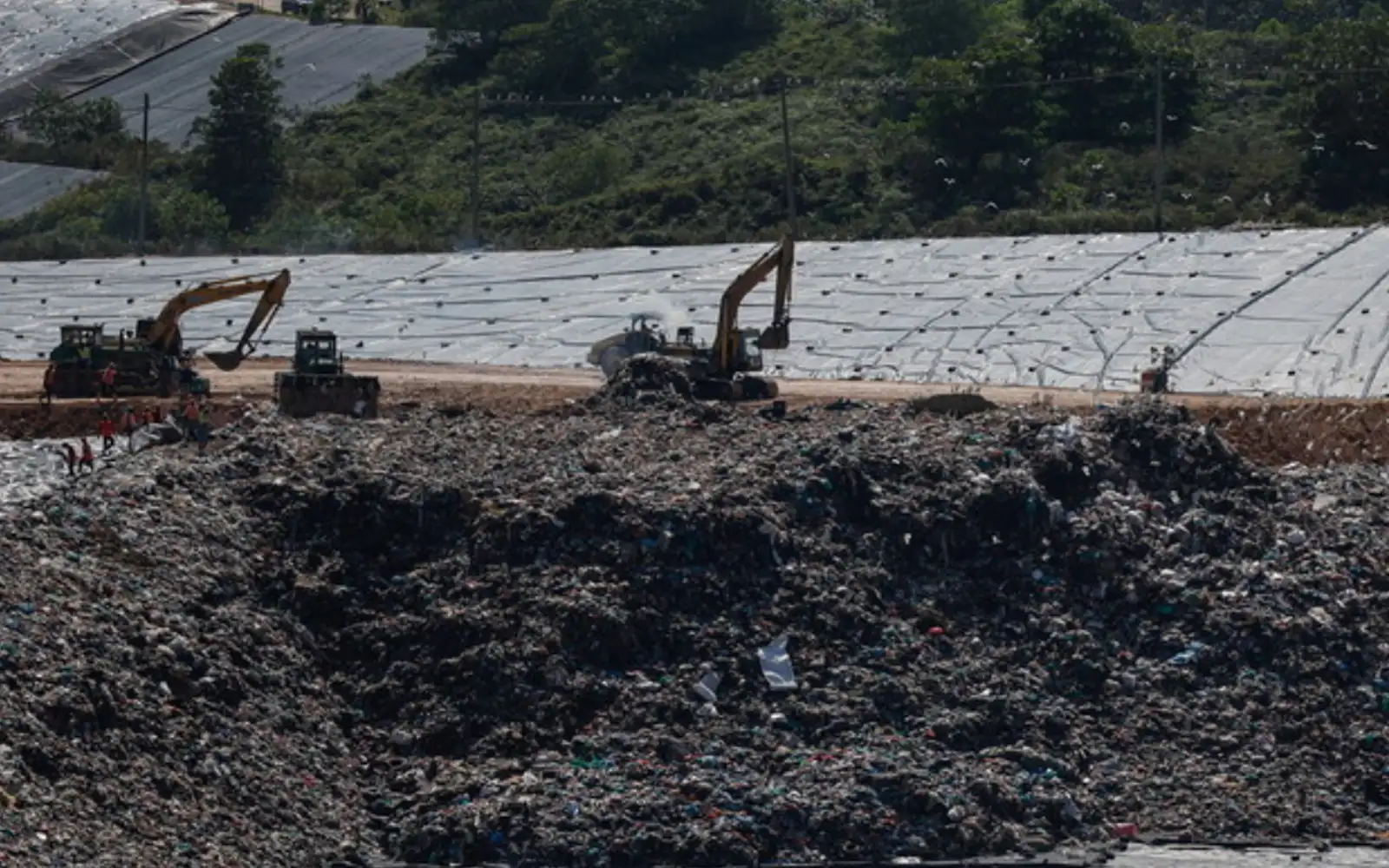
Malaysia generates approximately 39,000 tonnes of waste daily, a significant portion of which is currently disposed of in landfills. This has prompted the need for waste-to-energy (WTE) facilities, which can generate electricity or biogas while eliminating waste. However, Malaysians' acceptance of such facilities often wanes when they are proposed in their neighborhoods due to concerns over pollution, increased traffic, and safety.
This opposition, often referred to as NIMBY (not in my backyard), stems from previous experiences with waste management facilities including issues with odors, traffic, noise, leachate, and weak regulatory enforcement.
Marfiah Wahid, an environmental engineering expert from Universiti Teknologi Mara, explained that many Malaysians' negative perceptions of WTE projects are based on their own experiences. These perceptions often mistakenly equate WTE facilities with conventional incinerators, despite the technology and environmental safeguards being quite different. Modern WTE facilities are designed to not only dispose of waste but also to produce useful outputs like electricity or biogas.
While Marfiah acknowledged that public opposition should not be dismissed, she emphasized the importance of addressing concerns through transparency and open communication. Developers and authorities must provide clear information on expected emissions, emergency response plans, and operational monitoring. The public should be included in the consultation process from the beginning and throughout the project's lifecycle. Developers must be open to sharing control measures and mitigation strategies they have in place.
Marfiah warned that rejecting every proposed waste facility would have its environmental and economic consequences. With Malaysia producing around 39,000 tonnes of waste daily and this number continuing to rise, alternatives like WTE become necessary. She stressed that one of the key mechanisms for addressing community concerns is through the environmental impact assessment (EIA) process.
This process, which includes technical studies, regulatory reviews, and public feedback, is mandatory under Malaysian requirements. Projects must undergo multiple rounds of review, including public input and setting mitigation requirements, before approval is granted.
In Malaysia, developers of WTE plants must also meet stringent Department of Environment (DOE) emission standards. While public concerns about WTE facilities are valid, Marfiah argued that rejecting every proposed facility could lead to more significant environmental and economic issues.
Written by urgent.news from Free Malaysia Today's reporting — not their text. Machine-written — may contain errors; check the original before relying on it.
This story
This is one outlet's version. Read the fullest account.
- Fear of WTE rooted in outdated perception, says expert freemalaysiatoday.com