Fear of WTE rooted in outdated perception, says expert
Environmental specialist says greater transparency and public engagement are key to overcoming opposition to waste-to-energy projects.
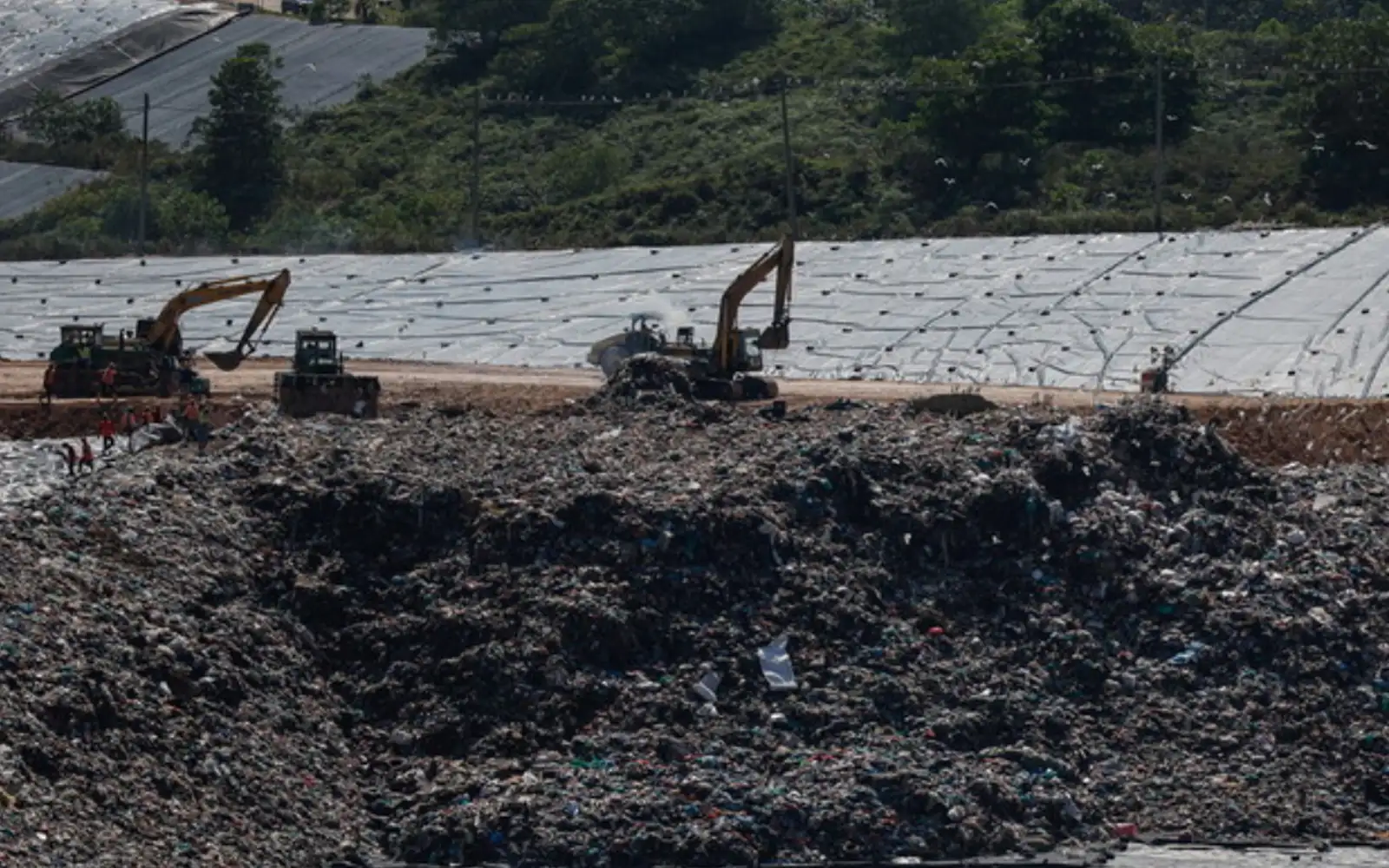
Malaysia currently discards 39,000 tonnes of waste daily, with most of it finding its way into landfills. This situation has prompted calls for more efficient waste management solutions, particularly waste-to-energy (WTE) facilities. However, public support for these projects often wanes when they are proposed for nearby locations, a phenomenon known as NIMBY (not in my backyard) opposition.
This opposition stems from concerns over pollution, traffic, noise, leachate, and inadequate regulatory enforcement. University of Mara environmental engineering expert Marfiah Wahid revealed that these apprehensions are often rooted in past experiences with waste management facilities. She explained that Malaysians generally view WTE projects negatively due to their confusion with conventional incinerators, despite the fact that modern WTE facilities are designed to generate electricity or biogas.
While Marfiah acknowledged that residents' concerns are valid, particularly regarding dust, increased traffic, and potential long-term health impacts, she stressed that dismissing these concerns outright would have significant environmental and economic repercussions. Malaysia generates nearly 39,000 tonnes of waste every day, and this number is expected to rise annually.
While recycling rates have improved, a significant portion of waste still ends up in landfills. Marfiah argued that WTE is a viable alternative to landfills, and the key to overcoming public resistance lies in transparency and effective communication. Project developers and authorities must be open to the public, providing detailed information on control measures, mitigation strategies, and environmental impact assessments.
The Environmental Impact Assessment (EIA) process, which is mandatory in Malaysia, helps in identifying potential environmental, social, and health impacts of a project and determining necessary mitigation measures. Public feedback is an integral part of this process, and developers must be prepared to address concerns and revise their plans accordingly.
Written by urgent.news from Free Malaysia Today's reporting — not their text. Machine-written — may contain errors; check the original before relying on it.
Also reported by 1 other outlet
- Fear of WTE rooted in outdated perception, says expert freemalaysiatoday.com