El Nino Phenomenon in Colombia Has Developed Faster than on Previous Occasions
The speed at which the El Nino phenomenon is taking shape this year has surprised experts, as it is breaking the usual margins of climate prediction. Last June, the Institute of Hydrology, Meteorology and Environmental Studies (IDEAM) had already announced that the United States National Oceanic and Atmospheric Administration (NOAA), together with international climate models, […]
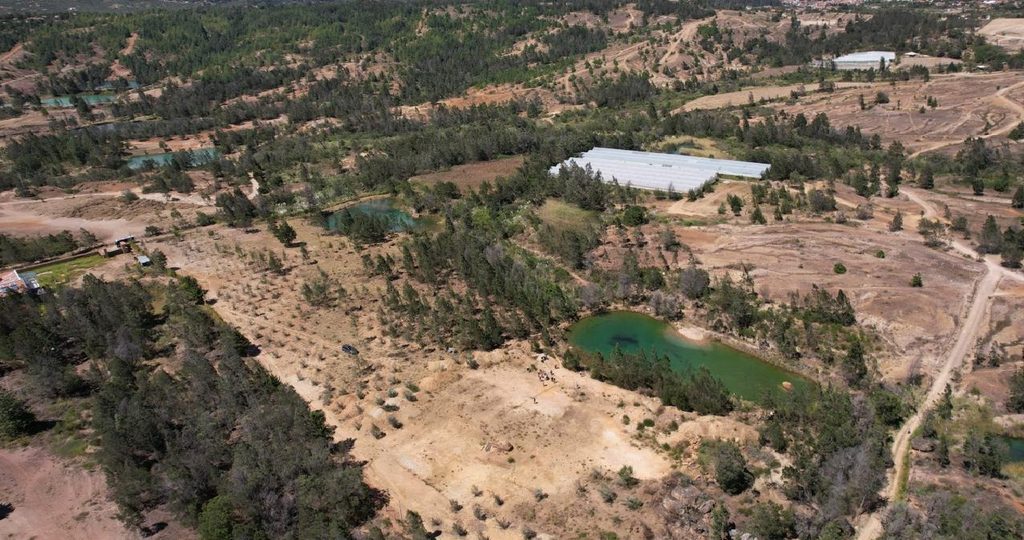
The El Nino phenomenon has developed at a faster pace than ever before, surprising experts and breaking typical climate prediction margins. In June, the IDEAM had already noted high subsurface heat content and ocean-atmosphere coupling characteristic of the phenomenon, with a high probability of strengthening in the second half of 2026 and possibly persisting into 2027.
Technical analyses at the time indicated a 96% chance of persistence through November and December 2026 and January 2027, with a 63% probability of reaching very strong intensity. Paola Andrea Arias Gomez, a researcher at the University of Antioquia, stated that this year's El Nino is developing faster than usual, with the Pacific warming more rapidly than other times.
Scientists categorize the current event as a "very strong El Nino," with an 81% probability of occurring. This phenomenon, combined with increased temperatures from other causes, is causing global warming, with 2024 being the warmest year on record. Despite measures taken by the previous government, such as declaring a national disaster and activating contingency plans, Arias Gomez believes the country's vulnerability lies in institutional weakness.
State agencies and institutes operate with limited resources, making the country ill-prepared for emergencies like El Nino.
Written by urgent.news from Colombia One's reporting — not their text. Machine-written — may contain errors; check the original before relying on it.