China’s commercial space sector expands global footprint with Thailand deal
Beijing-based GalaxySpace’s deployment this week of what it called China’s first turnkey satellite export to Southeast Asia underscores how the country is boosting its space influence overseas amid competition with Elon Musk’s SpaceX. GalaxySpace said it launched the Lingzhi-09 Thailand CubeSat aboard a Long March-6C rocket – alongside six other satellites – from the Taiyuan Satellite Launch…
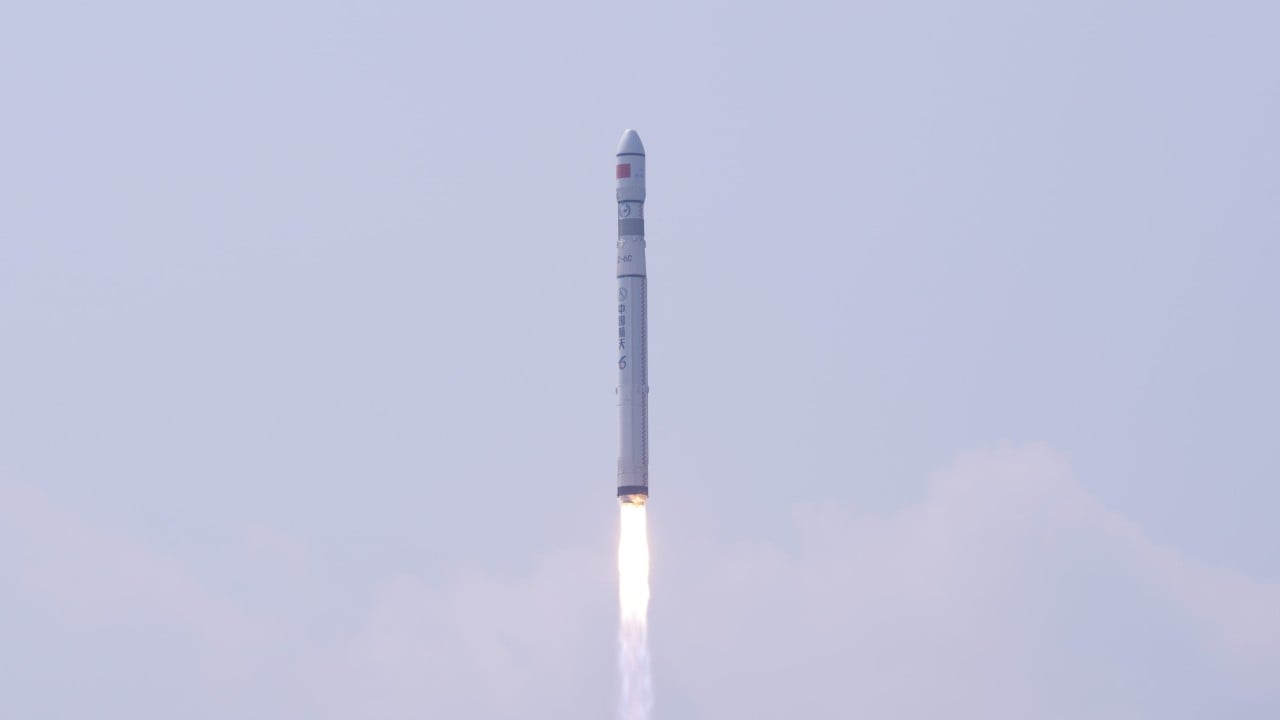
China's commercial space sector, represented by Beijing-based GalaxySpace, is expanding its global footprint through a significant deal in Thailand. The company successfully launched its first satellite designed for Southeast Asian customers, a CubeSat known as Lingzhi-09, aboard a Long March-6C rocket from the Taiyuan Satellite Launch Centre in Shanxi province.
This launch was part of a comprehensive package offered by GalaxySpace, which included the satellite itself, ground systems, and personnel training for Thai university students and the Geo-Informatics and Space Technology Development Agency (GISTDA).
The mission marks a pivotal shift in China's commercial space sector, demonstrating the nation's growing influence in the global space market. This move is part of a broader strategy by Chinese companies to transition from merely exporting satellite products to providing full-service ecosystems for international markets, according to Yang Kuan, an associate professor at Beijing Institute of Technology.
The sector is increasingly competing with SpaceX's Starlink project, with other Chinese companies like SpaceSail and Geespace also exploring overseas markets.
Despite the sector's advancements, the export of satellites is still constrained by the availability of affordable launch capacity. Chinese launch services currently cost around US$20,000 per kilogram, significantly higher than SpaceX's reusable Falcon 9, which ranges from US$2,700 to US$3,000 per kilogram. This cost disparity poses a challenge to China's ambitious plans to expand its commercial space activities, though recent developments, such as LandSpace's successful rocket recovery, are gradually narrowing this gap.
GalaxySpace, now worth over US$1 billion, is actively pursuing opportunities in international markets, including Thailand, as it prepares for an A-share listing, reflecting the sector's robust growth and international ambitions.
Written by urgent.news from South China Morning Post's reporting — not their text. Machine-written — may contain errors; check the original before relying on it.