E-bike and e-scooter battery fires cause of 18 deaths and nearly 700 injuries
Fatalities included people who inhaled toxic fumes from fires or became trapped inside burning homes.
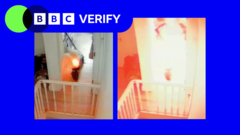
Eighteen fatalities and nearly seven hundred injuries have been recorded in fires sparked by e-bikes and e-scooters, data released by fire and rescue services across the UK reveals. The causes of these tragedies include individuals becoming trapped within burning homes, succumbing to smoke inhalation during escape attempts from high windows, or meeting their demise due to exposure to toxic fumes.
Over two thousand fires have been ignited by e-bikes, e-scooters, or their batteries between 2019 and 2025, according to Freedom of Information requests submitted by BBC Verify.
The frequency of incidents has been on the rise year after year, with nearly half of the fires originating in residences or garages, as per the data. London Fire Brigade Assistant Commissioner Pam Oparaocha expressed growing concern over the substantial fire risk that certain e-bikes and e-scooters, particularly those modified or acquired second-hand, can pose. She urged the public to exercise extreme caution when purchasing such vehicles.
Footage documenting fires caused by e-bikes and e-scooters showcases their rapid transformation into smoke-emitting, seemingly explosive devices, leading to fires that escalate within minutes. An average of 153,000 new e-bikes are added to the UK's roads annually since 2020, as reported by the Bicycle Association, a trade body representing the cycling industry.
E-bike prices fluctuate between £400 and £4,000 at mainstream retailers like Halfords or Decathlon, while second-hand vehicles and unregulated conversion kits can be procured on online platforms for as low as £150.
The UK government mandates that all lithium-ion batteries sold for these vehicles adhere to stringent safety regulations, ensuring safe charging, preventing overheating, and safeguarding against damage. The "Buy Safe, Be Safe" campaign urges consumers to purchase e-bikes and e-scooters that bear UKCA or CE product safety marks. From 2019 to 2025, the number of e-bike and e-scooter battery-related fires surged from thirty-two to six hundred and five, with the highest occurrence rates in urban areas such as London (793 recorded incidents), Manchester (128), West Yorkshire (93), Merseyside (74), and Avon (73).
Dr. Simon Jones, a researcher at the University of Warwick, highlighted the potential dangers of lithium-ion batteries, stating that if faulty, overcharged, or damaged, they can release energy rapidly in the form of flames and burning projectiles. These fires can rapidly engulf a room and obstruct escape routes, leading to the tragic deaths of individuals trapped inside.
In one instance, a fire caused by an e-scooter led to Jahmell Campbell, 24, jumping from a window to escape the blaze, while his grandmother, trapped upstairs, suffered minor injuries after falling through a window sill. The flat was ultimately destroyed, and several coroners have issued Prevention of Future Deaths reports, urging improved public safety measures.
The tragic demise of eight-year-old Luke Albiston-O Donnell from Birkenhead in 2024, who suffered severe injuries after inhaling toxic fumes from an e-bike battery fire, serves as a stark reminder of the risks associated with these devices. Another victim, Mohsin Janjua from Bradford, died in 2023 following a similar incident involving a battery failure in an e-bike conversion kit purchased online from China.
Coroners have frequently linked fatalities to e-bikes and e-scooters that did not meet UK safety standards, emphasizing the need for stricter regulation and increased consumer awareness. The Bicycle Association and the Association of Cycle Traders have launched the "E-Bike Positive" scheme to help consumers identify distributors, retailers, and manufacturers that adhere to current safety standards, calling upon the government to enforce stricter measures to curb the sale of unsafe e-bikes and scooters through online marketplaces.
Written by urgent.news from BBC News's reporting — not their text. Machine-written — may contain errors; check the original before relying on it.