Born after 7 years: Why Sikkim’s Red Panda cubs Numa and Nuba matter
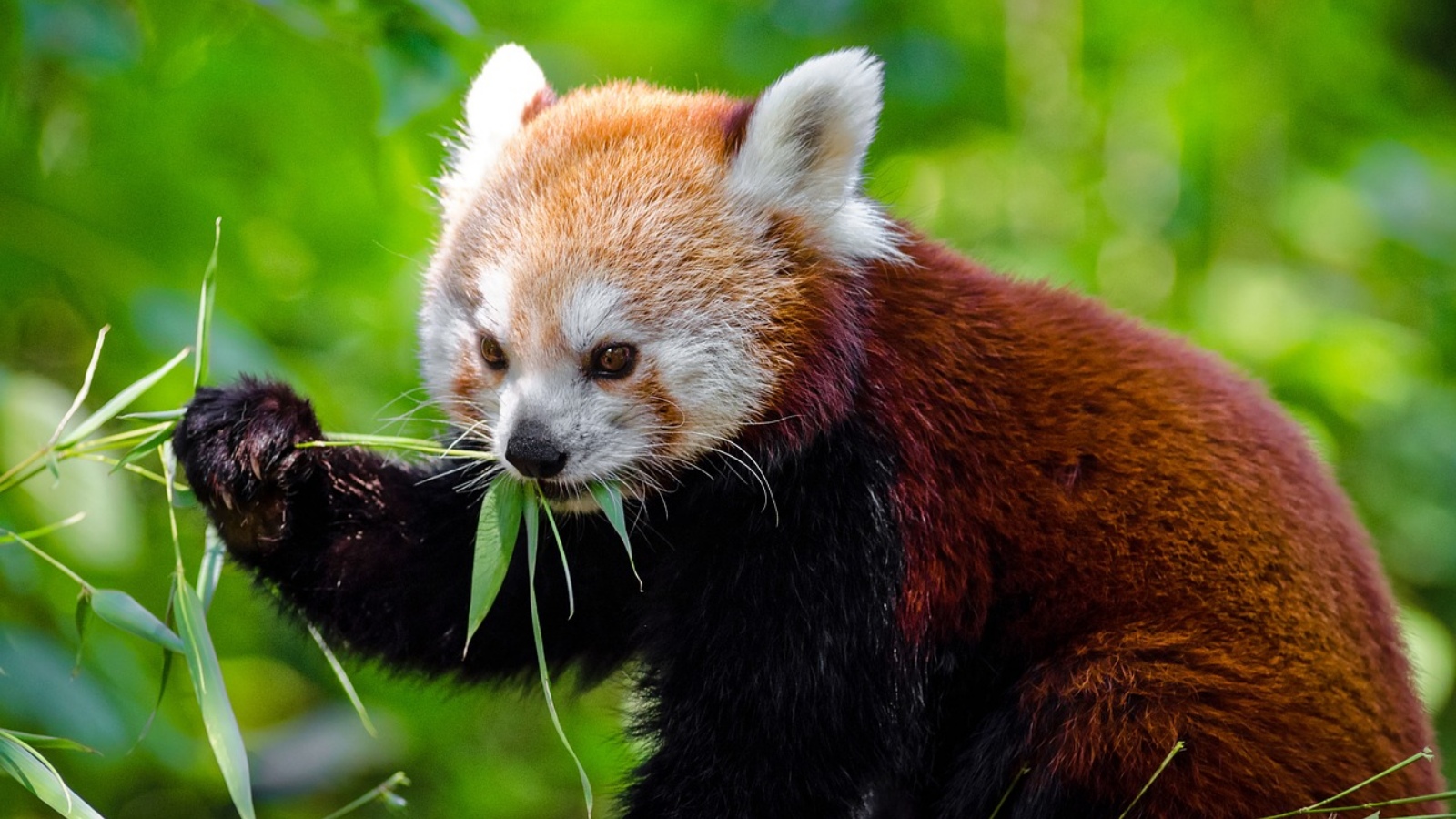
Two red panda cubs, Numa and Nuba, have sparked interest in Sikkim’s conservation initiatives after a seven-year hiatus of successful births at the Himalayan Zoological Park in Gangtok. The male and female cubs, born on June 15, 2025, to parents Lucky-II and Mirak, are thriving under the zoo’s care. The park’s red panda population had previously suffered due to two outbreaks of canine distemper.
These cubs are part of a breeding program dating back to 1997, aimed at maintaining genetic diversity through national and international studbooks. Wildlife photographer Sushil Chikane explains the significance of this birth. It marks a recovery from disease setbacks and adds fresh genetic material to the global studbook, crucial for a small captive population.
Red pandas are classified as Endangered, with fewer than 10,000 remaining in the wild, primarily in the Eastern Himalayas. The cubs have also provided an unusual observation: Mirak, the male, participated in nest-building with Lucky-II, an unprecedented behavior that contributes to scientific understanding of red panda social dynamics.
Despite the importance of their birth, Chikane emphasizes the ongoing threat of canine distemper. This virus can cause rapid decline in captive red pandas, making disease prevention paramount. Protecting the cubs involves stringent disease control measures, including vaccinations and biosecurity protocols. Chikane advises maintaining double-fenced enclosures, preventing contact with potential disease sources, and ensuring strict hygiene for staff handling the animals.
Vaccinating domestic dogs in the area can also help reduce the risk of environmental viral exposure.
Written by urgent.news from The Indian Express's reporting — not their text. Machine-written — may contain errors; check the original before relying on it.
This story
This is one outlet's version. Read the fullest account.
- Born after 7 years: Why Sikkim’s Red Panda cubs Numa and Nuba matter indianexpress.com