Born after 7 years: Why Sikkim’s Red Panda cubs Numa and Nuba matter
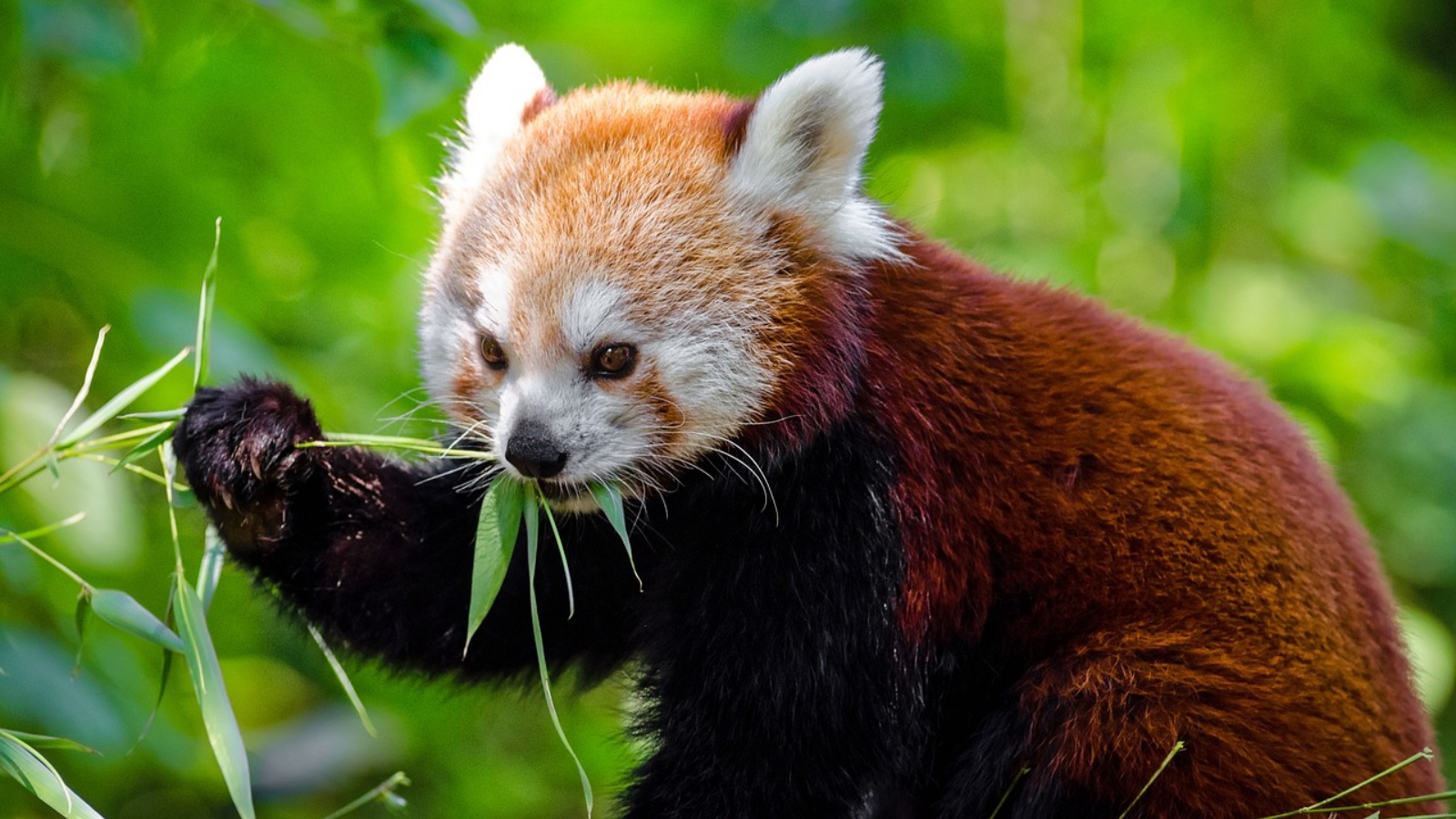
Two red panda cubs, Numa and Nuba, have arrived at the Himalayan Zoological Park in Gangtok, marking a significant milestone for Sikkim's conservation programs. The cubs, born on June 15, 2025, to parents Lucky-II and Mirak, are thriving and represent a step forward for a captive breeding program that has faced major setbacks.
The arrival of the cubs is significant for several reasons. Firstly, it signifies the recovery of the captive population following previous outbreaks of canine distemper, a virus that had nearly wiped out the red panda population at the park. Secondly, the birth contributes to the genetic diversity of the species, with Lucky-II and Mirak introducing new bloodlines into the global studbook. This is crucial as red pandas are listed as Endangered, with fewer than 10,000 believed to remain in the wild.
Interestingly, the male parent, Mirak, has exhibited unusual behavior by participating in nest-building with his female counterpart, Lucky-II. While red pandas are generally solitary and males do not participate in raising cubs, this behavior provides valuable scientific data on the species' ethology.
The seven-year gap in successful births was attributed to two outbreaks of Canine Distemper Virus (CDV), a highly contagious virus that poses a significant threat to captive red pandas. The virus causes rapid and catastrophic decline, progressing from severe respiratory and gastrointestinal symptoms to fatal neurological failure. Due to the virus's high contagiousness, disease prevention is particularly important in a small captive population.
To ensure the cubs' protection, strict disease-control measures are recommended. These include appropriate vaccination, biosecurity, and preventing contact with potential sources of infection. Canarypox-vectored recombinant distemper vaccines, under veterinary guidance, can also be used. Additionally, double-fenced perimeters should be maintained to prevent outside animal contact, and strict keeper hygiene practices should be followed.
New animals entering the facility should undergo 30-45 days of quarantine with comprehensive health screening, and domestic dogs in surrounding areas should be vaccinated to reduce environmental viral pressure.
Written by urgent.news from The Indian Express - Lifestyle's reporting — not their text. Machine-written — may contain errors; check the original before relying on it.
Also reported by 1 other outlet
- Born after 7 years: Why Sikkim’s Red Panda cubs Numa and Nuba matter indianexpress.com