As deepfake sex crimes surge, Korea's response struggles to keep pace
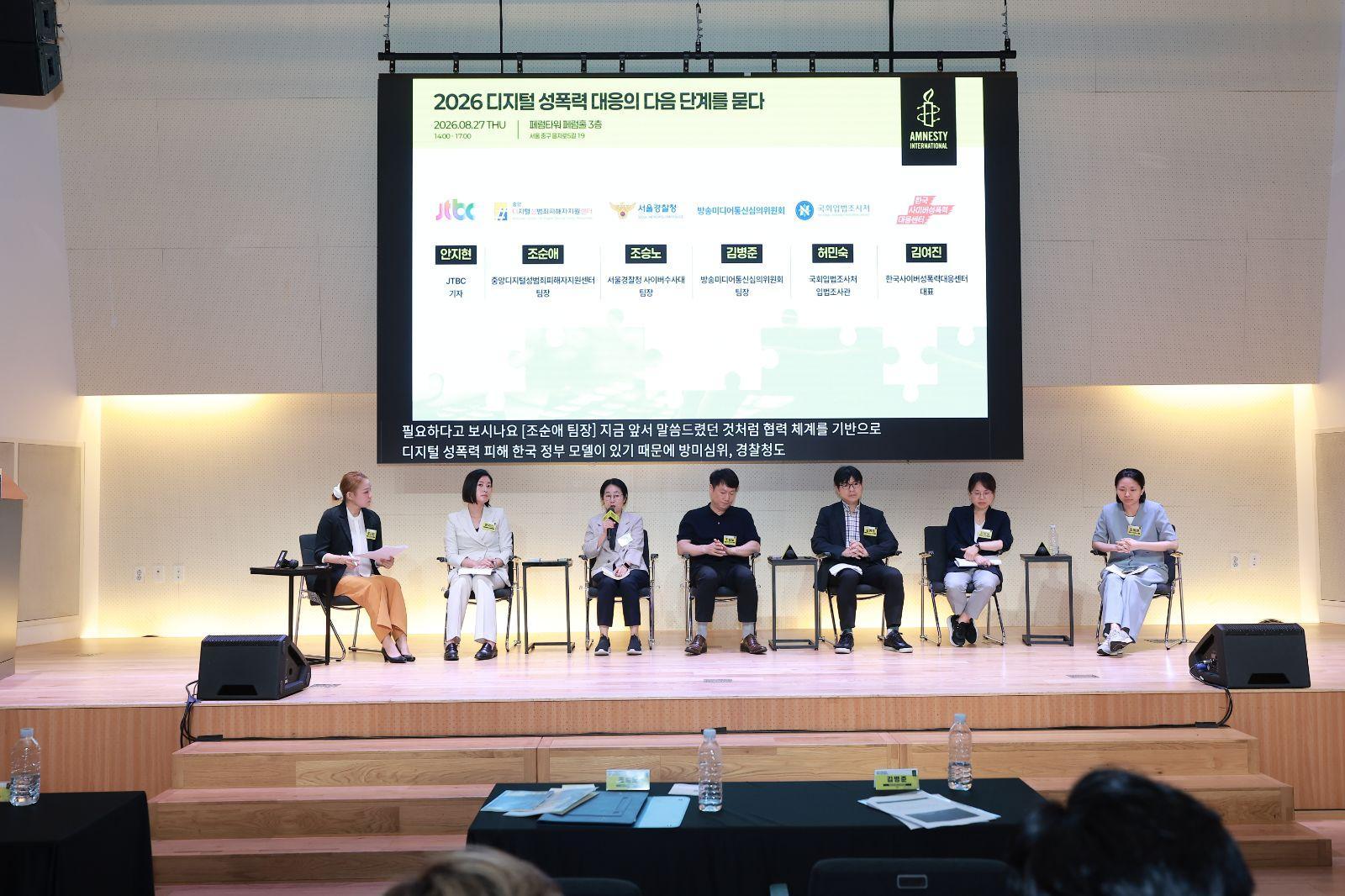
Korea has strengthened criminal penalties and takedown systems for digital sex crimes, but experts warn that the rise of artificial intelligence (AI) is creating widening gaps between the speed of online abuse and the ability of institutions to stop it. At a forum on the issue, hosted Thursday by Amnesty International Korea, a police officer, a legislative researcher and a media regulator said…
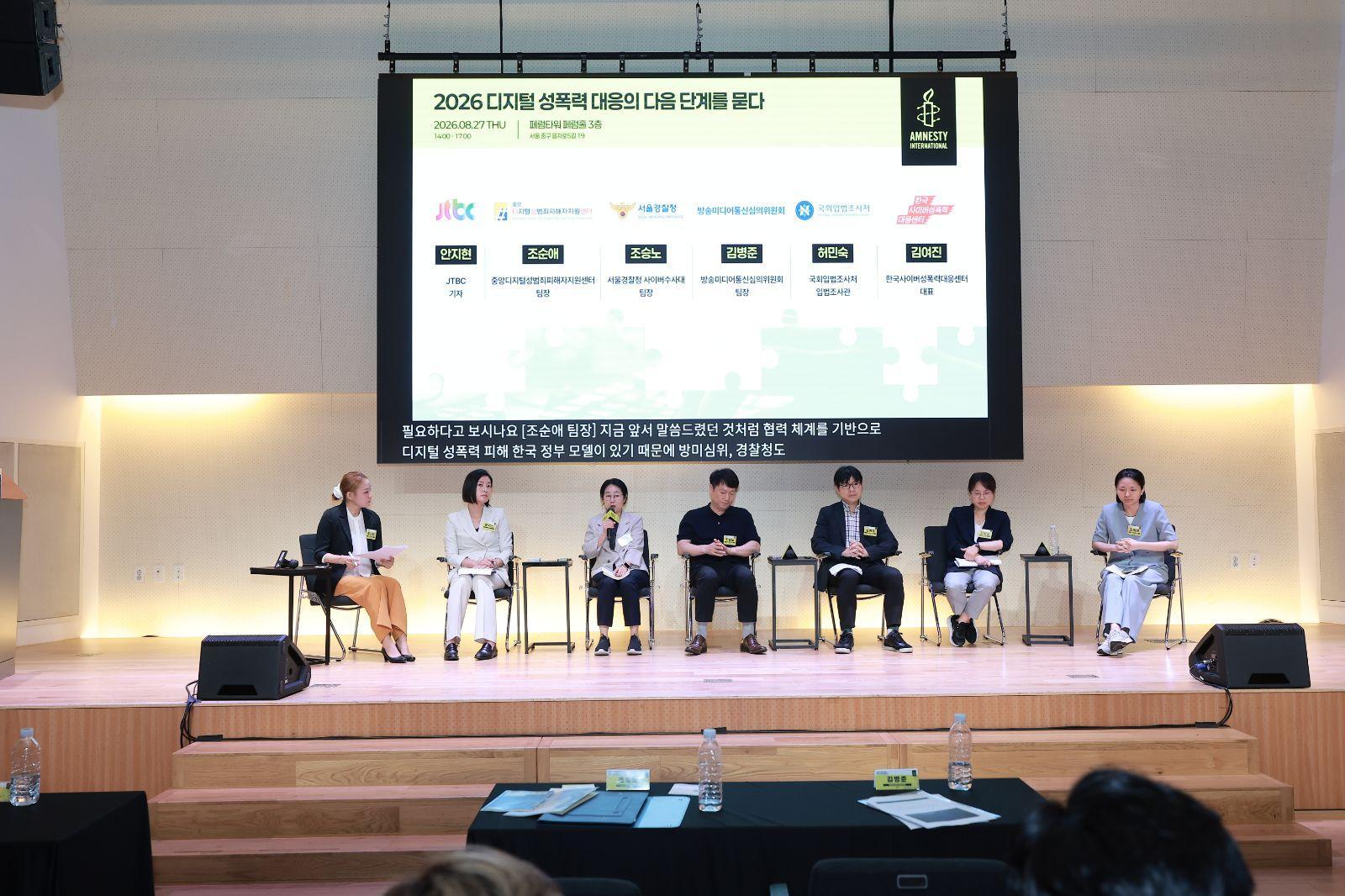
Korea has bolstered criminal penalties and takedown systems for digital sex crimes, but experts argue the rapid advancement of artificial intelligence (AI) is creating significant gaps between the speed of online abuse and the capacity of institutions to curb it. During a forum on the topic, organized by Amnesty International Korea on Thursday, a police officer, a legislative researcher, and a media regulator highlighted how deepfake technology has enabled the creation and dissemination of sexualized images of real individuals, often using overseas platforms that elude Korean authorities.
Heo Min-sook, a researcher at the National Assembly Research Service, stated, "Crimes exploiting new technologies erupt across society, but the law is always running behind them. While the justice system is still trying to identify and punish offenders, victims' lives are already being devastated online." Police data revealed that deepfake-related offenses were the most common category of cybersex crimes identified during a 2025 crackdown, comprising 1,553 cases, or 35.2 percent of the total.
Written by urgent.news from The Korea Times's reporting — not their text. Machine-written — may contain errors; check the original before relying on it.
This story
This is one outlet's version. Read the fullest account.