África impulsa su particular carrera espacial con nanosatélites
Los países del continente duplican su inversión espacial buscando soberanía de datos para la agricultura, el clima y el crecimiento económico. El uso de nanosatélites permite a los científicos liderar proyectos locales. Leer

Several African nations are investing more in their space programs, particularly by utilizing nanosatellites to gather valuable data for various sectors, including agriculture, climate, and economic growth. Gayane Faye, a Senegalese scientist, began her interest in the space industry as a child, witnessing rocket launches on TV.
Today, over 20 African countries have satellites in orbit, with more developing space programs. African nations are investing nearly $800 million in space-related projects this year, almost doubling the amount spent two years ago. The African Union recently established the African Space Agency in 2025 to improve coordination and share best practices.
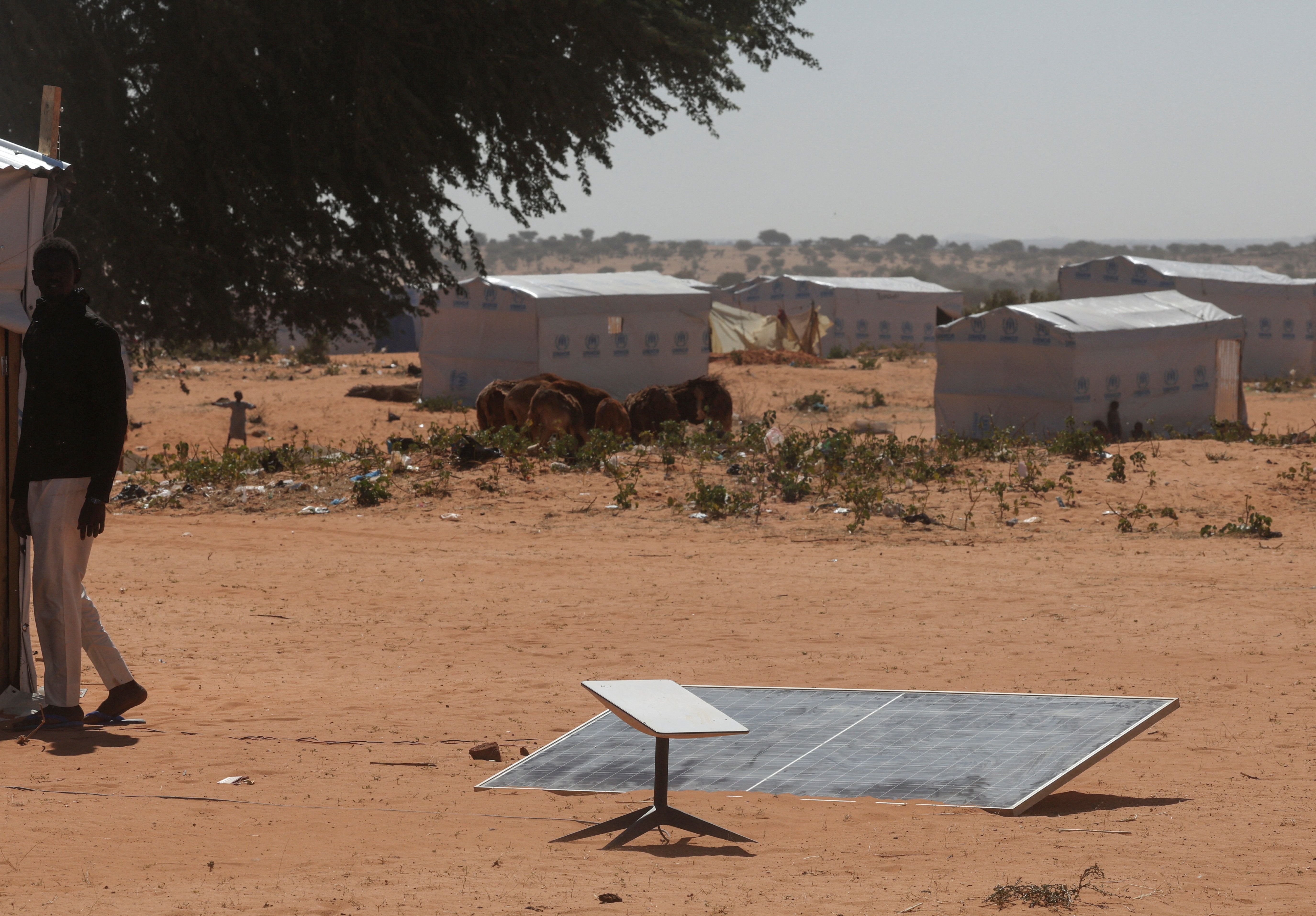
Nanosatellites enable scientists to lead local projects and collect vast amounts of data on climate, weather, warfare, and livestock - information crucial for governments with limited information. Many of the necessary technologies for African nations are now more affordable and readily available. African countries, such as Botswana and Uganda, have launched satellites to analyze soil for minerals and monitor droughts and forest fires, while Angola uses a communications satellite to connect remote villages. Yibuti, a small country, now controls its water levels through satellite data.
This development has made it unnecessary for scientists to travel to remote sensors to download data. Demographers, agronomists, urban planners, and meteorologists will have access to much more information, aiding in saving lives and reinforcing infrastructure by identifying vulnerable areas prone to flooding, among other issues.
Temidayo Oniosun, a Space in Africa analyst, argues that buying high-quality satellite imagery from few corporations, mostly Western, is expensive, and requests from sanctioned countries by the US or EU may be rejected. Some nations have made significant progress in a short period, with Senegal launching its first satellite two years ago to transmit environmental data.
The first satellite, GaindeSat-1A, cost around $1 million, including initial equipment installation costs for a fully functional space station. Faye expects the cost per satellite to be a tenth of that amount by the time Senegal completes its fourth satellite.
Written by urgent.news from Expansion ES's reporting — not their text. Machine-written — may contain errors; check the original before relying on it.