2026 Summer School; Africa’s energy transition is missing one thing: The people to run it
By: Samuel Ayammah For seven days at the AFREIKH Summer School and the Future of Energy Conference in Accra, the conversation followed a familiar script. How many billions are needed to close the access gap. How many megawatts of solar, wind, hydro and gas must be built. How to cut tariffs, integrate trade and attract […]
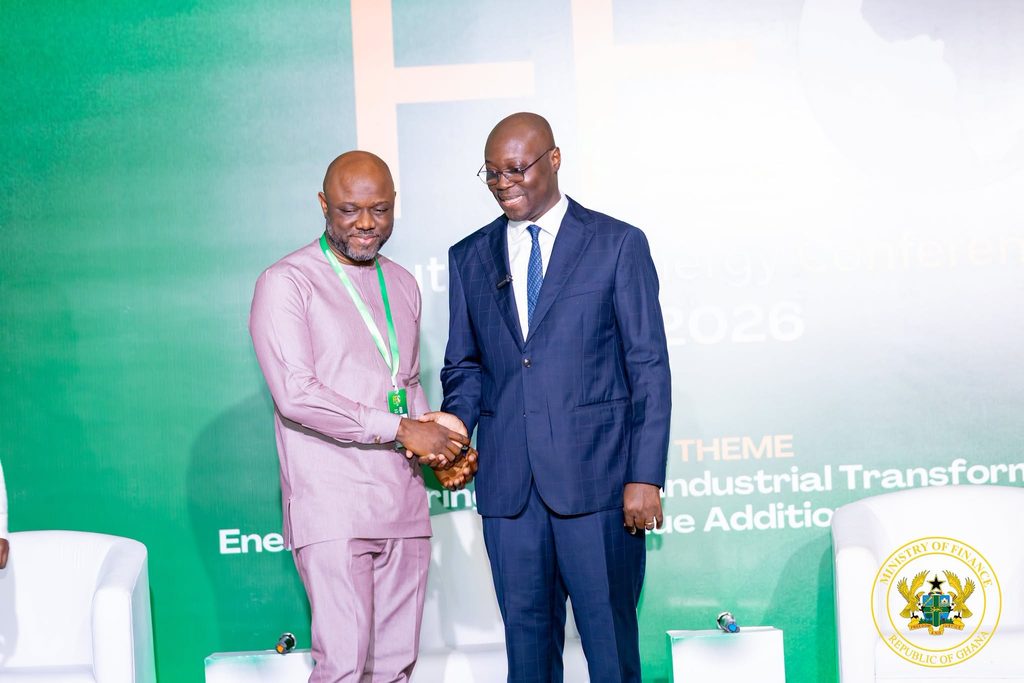
The 2026 Summer School and Future of Energy Conference in Accra highlighted a critical issue in Africa's energy transition: the lack of a skilled workforce to manage and maintain the rapidly growing infrastructure. While billions are being invested in solar, wind, hydro, and gas projects, there is a glaring absence of local talent to operate, regulate, and scale these technologies.
This human infrastructure gap is evident in the parallel power system that has emerged across the continent, keeping the economy alive through diesel generators and other independent power sources. Despite progress in mobilizing capital and importing technology, Africa has not invested enough in the people, institutions, and systems necessary to sustain these developments.
The conference called for a comprehensive ecosystem of capability, including technicians, plant operators, safety inspectors, standards officers, adaptable universities, local engineering firms, and regulators who can navigate risk and innovation. Without this ecosystem, businesses are forced to self-generate power using diesel, which is far more expensive and hampers industrial growth, job creation, and economic transformation.
Moreover, the reliance on the shadow grid is also a reflection of the continent's systemic failure to invest in human infrastructure. The conference emphasized the need for regional integration to create larger, more bankable markets and to transfer capabilities across borders. Women and young people, who remain underrepresented in the energy sector, must be actively included as engineers, entrepreneurs, policymakers, and investors to drive the transition forward.
Written by urgent.news from GBC Ghana's reporting — not their text. Machine-written — may contain errors; check the original before relying on it.