Your guide to who’s eligible for the autumn 2026 flu vaccine
Flu season is approaching, and some people can already book their free NHS flu vaccine. Here's everything you need to know about who can get vaccinated this year and what's changed since last autumn.
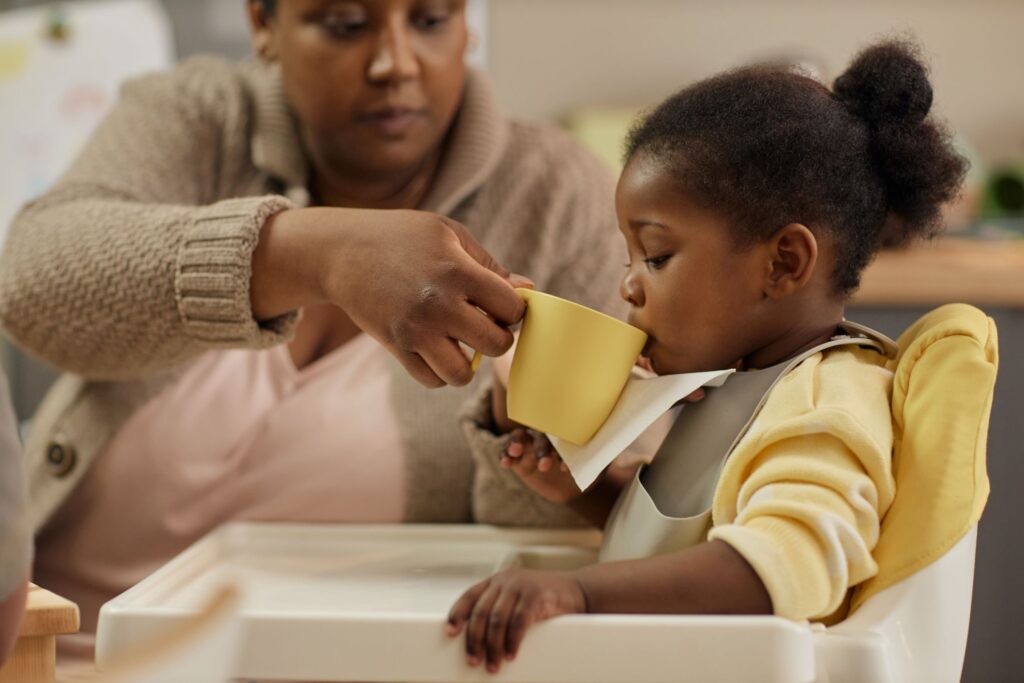
The autumn 2026 flu vaccine rollout in the UK expands eligibility for certain groups. Two key changes are introduced: first, community pharmacies can vaccinate children aged 2 to under 18 years in clinical risk groups from October, complementing school and GP practices. Secondly, rough sleepers and homeless individuals in hostels, aged 16 and over, join the national flu programme from October, following Joint Committee on Vaccination and Immunisation (JCVI) guidance.
Eligibility for the flu vaccine expands from September 2026. Pregnant women, children aged 2 or 3 years, primary and secondary school pupils, young people in special educational needs schools, and children in clinical risk groups (from 6 months to under 18 years) are routinely eligible. From October, everyone aged 65 and over, adults with underlying health conditions, long-stay residential care residents, carers, and close contacts of immunocompromised individuals become eligible. Rough sleepers and hostel users from age 16 are also included.
The vaccine is administered either as an injection for adults or a nasal spray for children, both of which are effective, safe, and quick. The nasal spray has no risk of causing flu in children. Certain immunocompromised children may receive an alternative injected vaccine.
Eligible individuals typically receive a notification from the NHS for booking appointments, often via schools for children. Unvaccinated contacts of immunocompromised people aren't at risk from exposure to the live vaccine. Flu is far more severe than a common cold, potentially leading to serious complications, hospitalization, or death. The annual vaccine update ensures protection against evolving strains. The vaccine is recommended before flu season intensifies in autumn or early winter.
Written by urgent.news from UK Health Security Agency's reporting — not their text. Machine-written — may contain errors; check the original before relying on it.