Will Eating a ‘Retinol Salad’ Really Improve Your Skin?
It pales in comparison to topical retinol or retinoids, experts say.
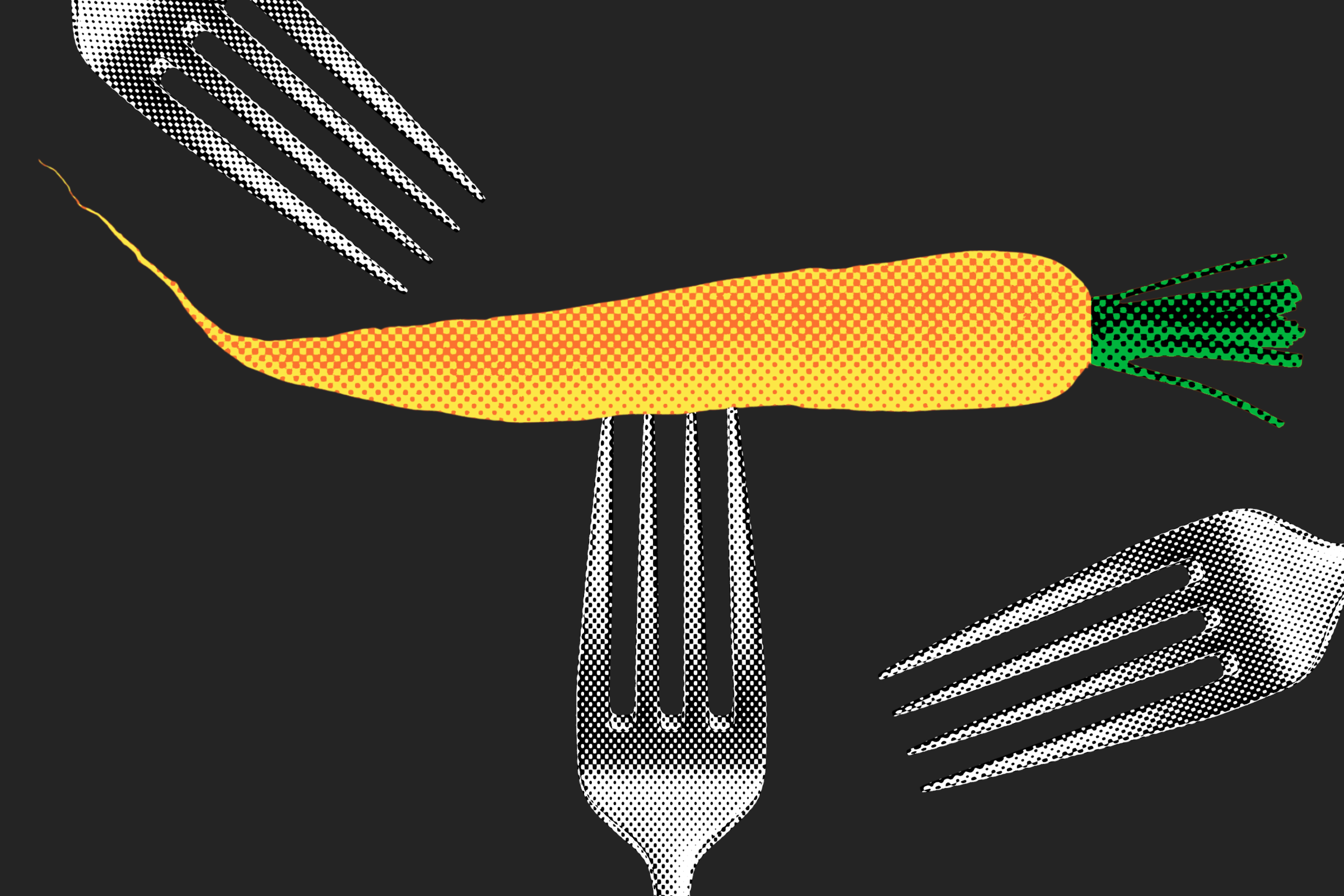
The "retinol salad" trend involves consuming a salad rich in carrots, which are abundant in beta-carotene, a precursor to vitamin A. While this diet provides vitamin A, which is beneficial for the skin, it does not yield the same results as applying topical retinol or prescription retinoids. Dr. Lawrence Green, a dermatology professor, explains that the conversion of beta-carotene to retinol in the body is inefficient and requires significant amounts of beta-carotene to produce a small amount of retinol.
Similarly, Dr. Rajani Katta, a dermatologist, notes that the "retinol salad" offers antioxidant benefits from its ingredients but does not directly provide the same skin benefits as topical retinol application. Antioxidants in the salad help combat oxidative stress and protect against free radicals, contributing to skin health. However, excessive consumption of carrots could lead to beta-carotene buildup in the blood, potentially causing a yellow-orange skin discoloration.
Overall, while the retinol salad offers some skin benefits, it should not replace a well-rounded diet rich in colorful fruits and vegetables, omega-3 fatty acids, and a balanced approach to skincare, such as limiting sugar and ultra-processed foods, according to dermatologists.
Written by urgent.news from Time's reporting — not their text. Machine-written — may contain errors; check the original before relying on it.