'Wildfire smoke is the fastest-growing environmental threat in the US': How a warming world will poison the air we breathe
Wildfires are projected to increase dramatically due to climate change. That could trigger a massive increase in heart attacks, premature births and early deaths, research reveals.
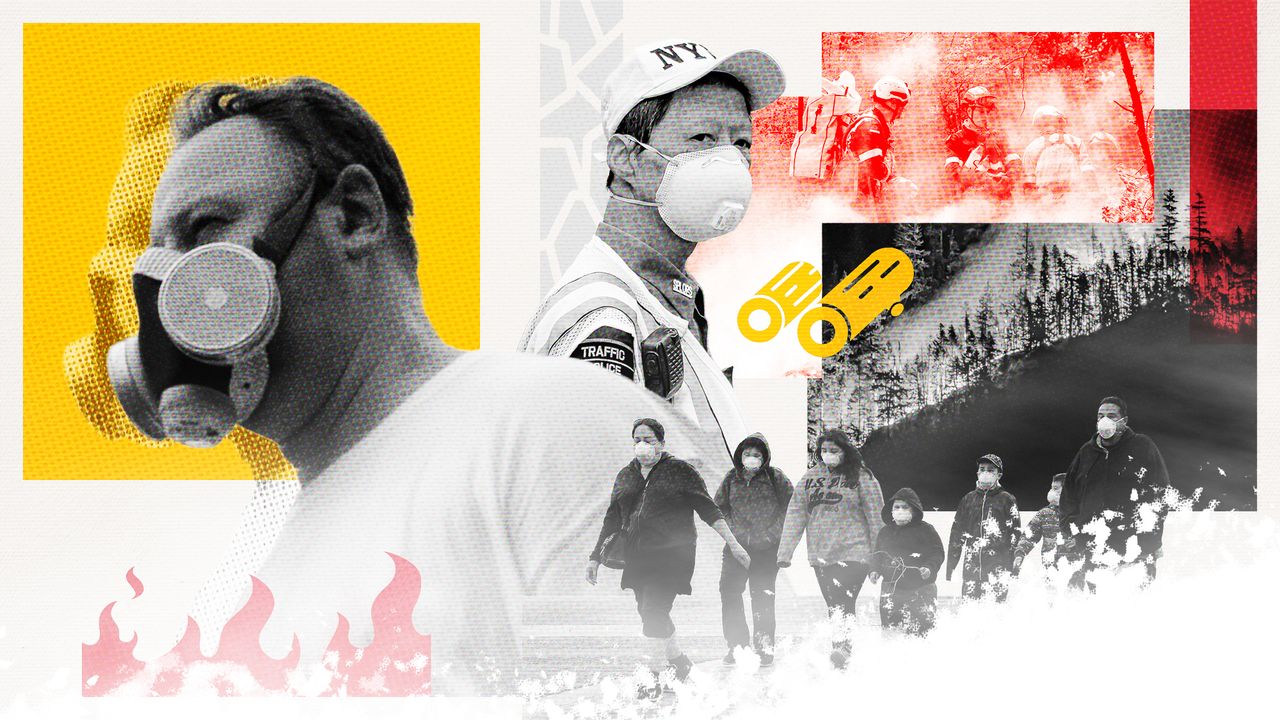
Wildfire smoke is quickly becoming the most pressing environmental health threat in the United States, according to experts. As wildfires become more frequent and intense due to a warming climate, the air quality in many regions is suffering, particularly in the Midwest and the East Coast.
When smoke from these fires reaches the air, it can cause a range of health issues, from heart attacks and asthma attacks to premature births and worsening of chronic respiratory conditions such as COPD. A 2025 study found that the 2023 Canadian wildfire season, which saw record-breaking smoke plumes, may have shortened the lives of 87,000 people worldwide.
In the U.S. between 2011 and 2020, wildfire smoke contributed to 41,380 excess deaths per year, and this number is expected to rise to 71,420 by 2050 if global temperatures continue to rise.
Longer and more severe fire seasons, coupled with smoke plumes that can travel thousands of miles, are putting more people at risk than ever before. Even regions not accustomed to wildfires, such as the Northeast, are now facing the impacts of smoke pollution in their air.
The good news is that even a rapid reduction in greenhouse gas emissions would not fully prevent the growing risk of wildfires, as these gases persist in the atmosphere for decades. The bad news is that, without significant climate change mitigation efforts, fire risks will continue to increase in size, intensity, and frequency. In the U.S., this means a bleak future for air quality and human health.
Written by urgent.news from Live Science's reporting — not their text. Machine-written — may contain errors; check the original before relying on it.