Why some people develop insulin resistance while others lose insulin-producing capacity
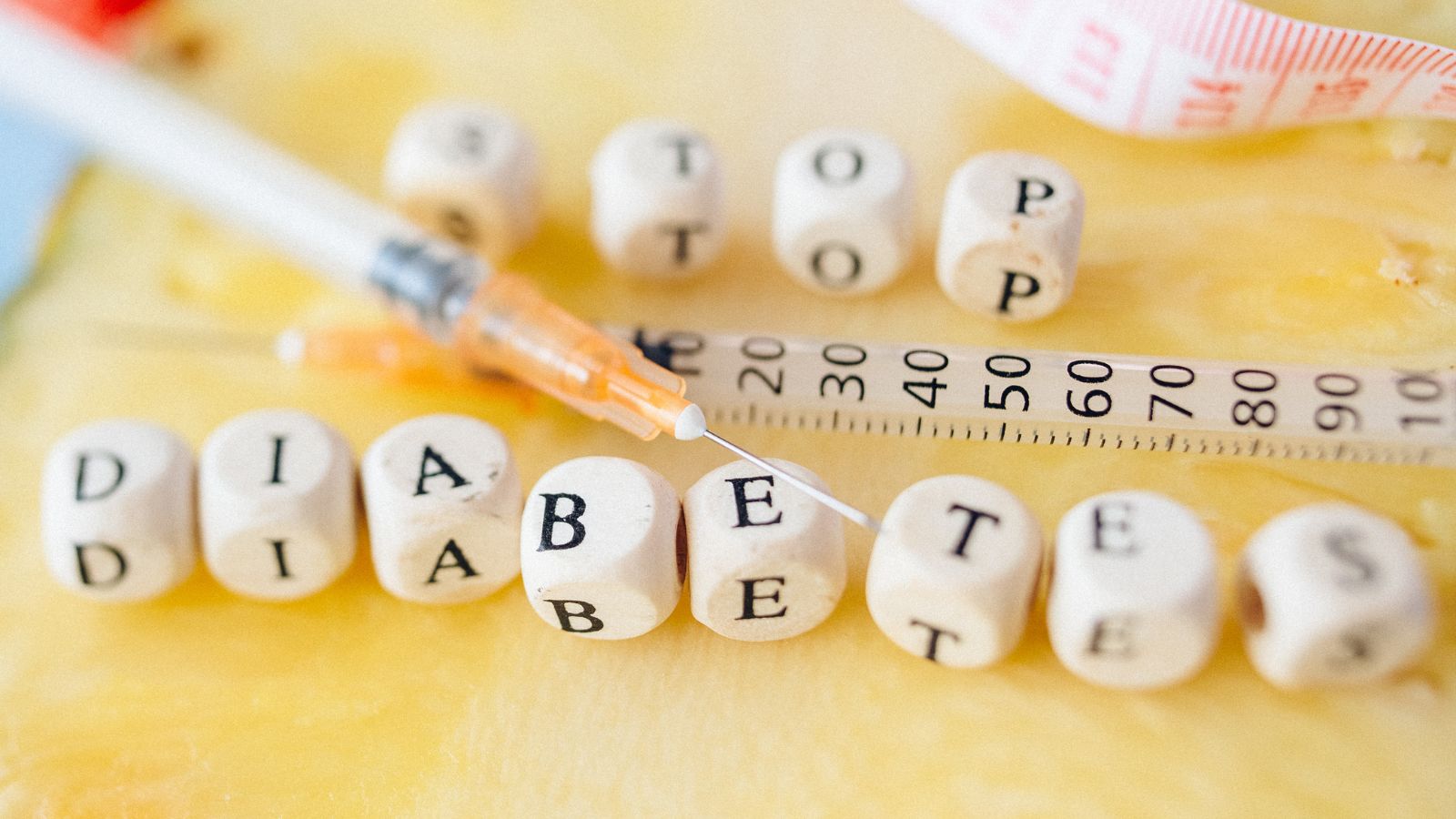
Insulin resistance and declining insulin production are two distinct processes within the development of blood sugar regulation issues. While both can coexist, they are not the same. The balance between these two can fluctuate over time, potentially explaining why individuals with similar blood sugar levels may have varying metabolic issues. The key question is, what determines whether a person develops insulin resistance or loses insulin-producing capacity?
According to Kanikka Malhotra, Consultant Dietician and Diabetes Educator, it depends on which part of the body's system is the weak link - the receptor end or the production end. Insulin resistance occurs when muscle, liver, and fat cells become less responsive to insulin, often due to excess visceral fat releasing inflammatory signals.
On the other hand, beta cell decline involves insulin-producing cells losing function or dying off, often influenced by genetics and long-term cellular stress. Most people actually have a combination of both, but genetics typically dictates which process dominates.
The impact of genetics and lifestyle on insulin-producing beta cells is significant. Beta cells are highly sensitive to their surroundings, and various factors influence them differently. Genetics determine the initial number of beta cells and their resilience under stress. Age naturally reduces beta cell efficiency, while abdominal visceral fat, common in South Asian body types even at lower BMI, creates a toxic environment that directly impairs beta cell function.
High intake of refined carbohydrates leads to repeated insulin surges, gradually exhausting these cells, whereas regular physical activity enhances insulin sensitivity and reduces this demand. This combination of inherited resilience and lifestyle factors determines who may progress to diabetes sooner.
Early stages of insulin resistance may allow the pancreas to compensate by producing more insulin, keeping blood sugar relatively normal. However, prolonged insulin resistance and consistently high glucose levels can eventually lead to declining beta-cell function. As insulin production decreases, blood sugar may remain elevated rather than rising only after meals, necessitating a change in treatment.
Lifestyle measures and medications that improve insulin sensitivity may eventually require replacement with other treatments, such as insulin therapy, in some individuals. Regular monitoring of glucose levels and C-peptide can help doctors assess changes in insulin production and adjust treatment accordingly.
Written by urgent.news from The Indian Express - Lifestyle's reporting — not their text. Machine-written — may contain errors; check the original before relying on it.
This story
This is one outlet's version. Read the fullest account.