Urgent.News

What's breaking now, across thousands of outlets.

Culture

Virginia and Leonard Woolf's Hogarth Press Gets an Exhibition of Its Own

They were both writers, and amongst the remarkable fruits of their union was a decision to open a small press, which in time grew into something far from small.
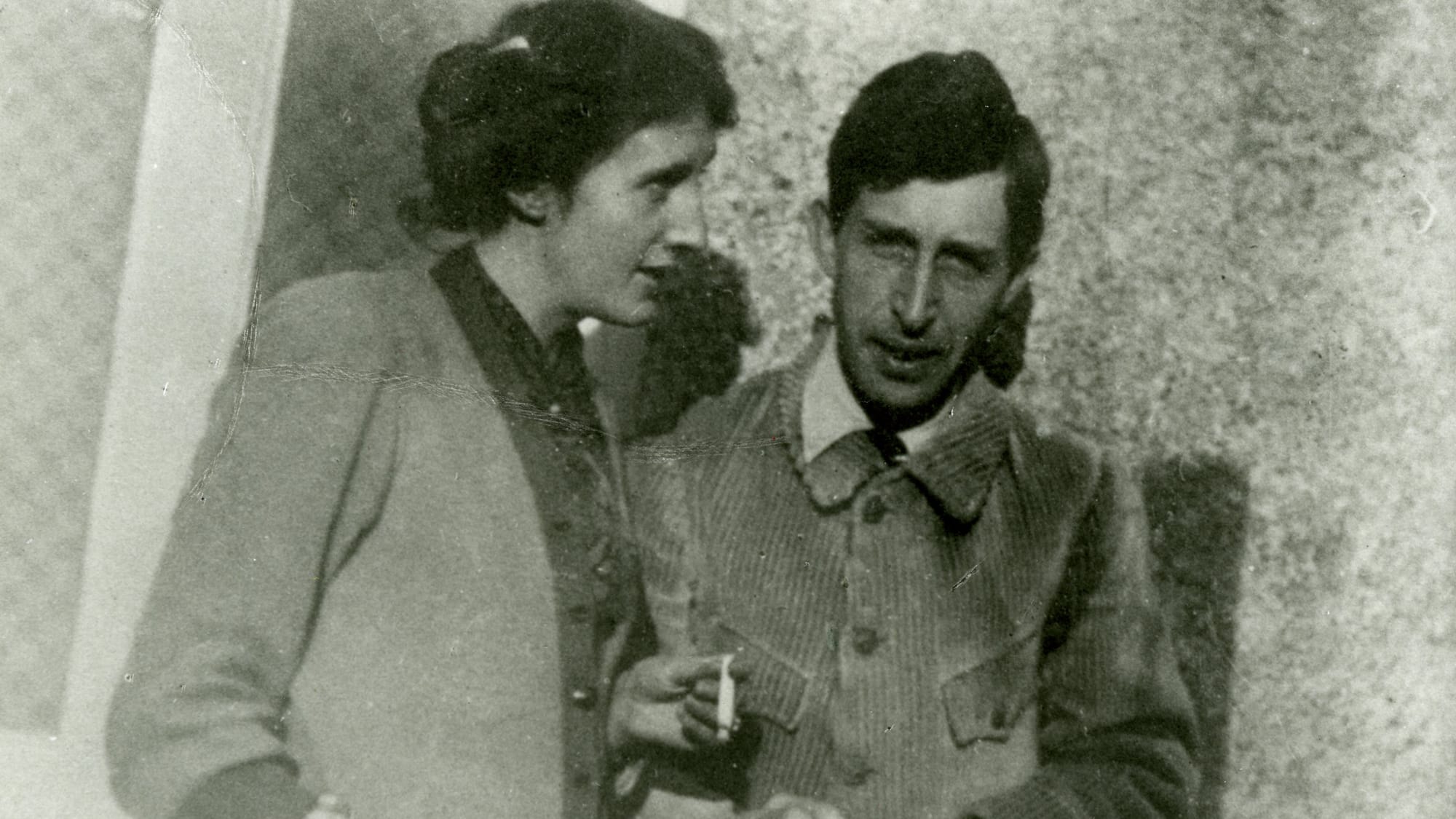
Virginia and Leonard Woolf's Hogarth Press Gets an Exhibition of Its Own

Sussex, UK — Virginia Woolf and her husband Leonard Woolf, both renowned writers, founded the ambitious Hogarth Press in 1917. Located in a farmhouse adjacent to Charleston, the press quickly gained recognition for publishing groundbreaking works and nurturing talented authors. The exhibition at the current site, once a home for the Bloomsbury Group, showcases approximately 200 of these unique publications, highlighting the pioneering spirit of the Woolfs and their lasting impact on literature.

Written by urgent.news from Hyperallergic's reporting — not their text. Machine-written — may contain errors; check the original before relying on it.


Read the original at hyperallergic.com →

More in Culture

The Art of "Hwan-dae" and "Gyeom-sa-gyeom-sa": The Unaccounted-for Heart In the Korean language, there are two idiomatic expressions that beautifully capture the essence of indirect and polite communication: "hwan-dae" and "gyeom-sa-gyeom-sa". "Hwan-dae" refers to the act of underestimating or downplaying one's own abilities or accomplishments, often to avoid appearing arrogant or boastful. On the other hand, "gyeom-sa-gyeom-sa" is an expression that roughly translates to "by the way" or "incidentally". It is often used to ask for a favor or make a request in a subtle and indirect manner. When used together, "hwan-dae" and "gyeom-sa-gyeom-sa" create a unique and polite way of communicating. By downplaying one's own abilities and making a request in a casual and indirect way, Koreans can show respect and humility while still getting what they need. This complex and nuanced form of communication is deeply rooted in Korean culture and is often used in everyday conversations. Understanding the intricacies of "hwan-dae" and "gyeom-sa-gyeom-sa" can help foreigners better navigate social interactions in Korea and build stronger relationships with the locals. In a country where politeness and respect are highly valued, mastering these expressions can go a long way in showing one's appreciation for the culture and people. By embracing the art of "hwan-dae" and "gyeom-sa-gyeom-sa", one can experience the warmth and hospitality of the Korean people firsthand. In Korea, even the smallest acts of kindness and consideration can have a profound impact on building relationships and trust. The concept of "jeong" or "affection" is deeply ingrained in Korean culture, and "hwan-dae" and "gyeom-sa-gyeom-sa" are just two examples of how this concept is put into practice. By incorporating these expressions into one's daily interactions, one can develop a deeper understanding of the Korean way of life and cultivate meaningful connections with others. In the end, "hwan-dae" and "gyeom-sa-gyeom-sa" are more than just words - they represent a way of being that values humility, respect, and kindness.

More from Thursday 27 August →