Urgent.News

What's breaking now, across thousands of outlets.

Culture

Chennai’s coast: the biggest open air arena that entertains all
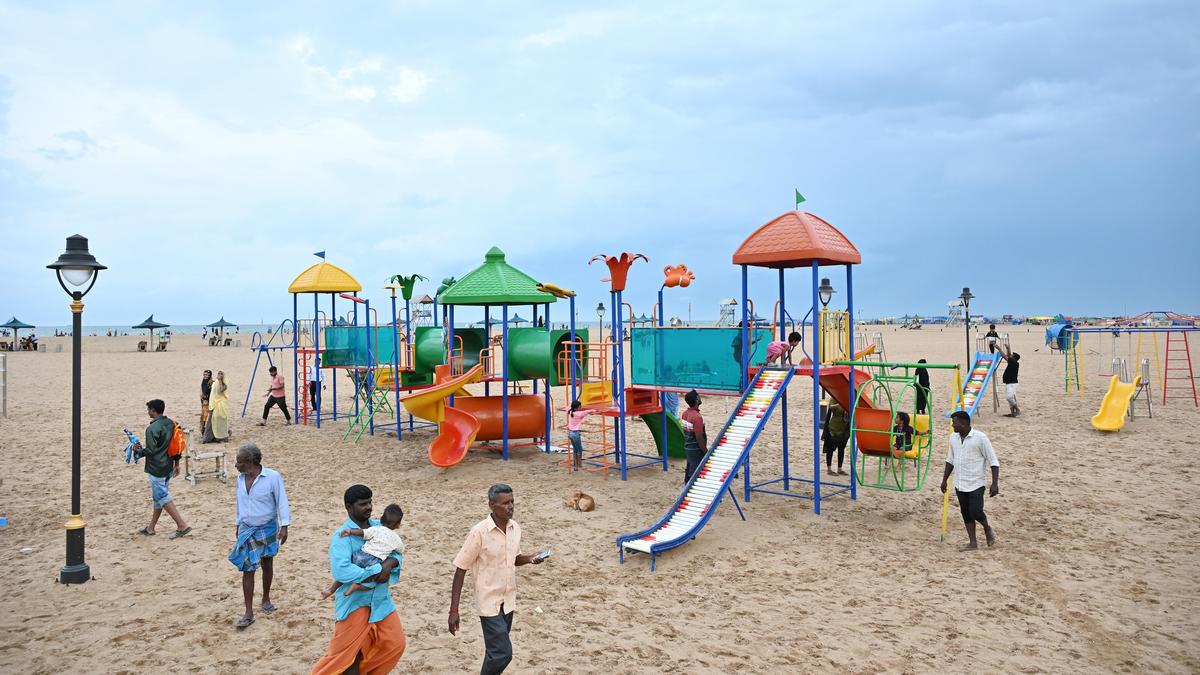
Chennai’s coast: the biggest open air arena that entertains all

For generations, the residents of Madras have turned to the beach for entertainment, a democratic space where everyone can enjoy the salt, sea breezes, and sundal. The coastline boasts various attractions, from DakshinaChitra, showcasing South Indian art and culture, to Pulicat, where visitors can spot flamingos and migratory birds.

Despite the closure of the iconic Prarthana drive-in theatre in 2023, the beach still offers a plethora of activities, including film screenings, beach concerts, musical shows, poetry readings, and various other events.

The water itself provides boundless entertainment, with numerous water sports available, such as boating, surfing, eFoiling, kayaking, sailing, stand-up paddling, and wakeboarding. Despite the prohibition on swimming due to dangerous undercurrents, the beach remains a popular destination for those seeking relaxation and adventure. People of all ages and interests can find something to enjoy, from toddlers playing with bubble wands to elderly individuals lounging on benches and watching the world pass by.

Snacks are plentiful, and the option to have one's fortune told adds an extra touch of excitement to the beach experience. Historically, the sands have also hosted games like cricket, football, and frisbee, with morning activities ranging from walks to yoga classes and sports practices. However, it is the evenings that truly shine – as the sun sets, the golden sands and the aroma of reheated coffee in steel canteens create a magical atmosphere.

Whether it's the sea itself or the simple pleasures of the beach, Chennai's coastline offers a unique and welcoming entertainment zone for all.

Written by urgent.news from The Hindu's reporting — not their text. Machine-written — may contain errors; check the original before relying on it.
Read the original at thehindu.com →

More in Culture

The Art of "Hwan-dae" and "Gyeom-sa-gyeom-sa": The Unaccounted-for Heart In the Korean language, there are two idiomatic expressions that beautifully capture the essence of indirect and polite communication: "hwan-dae" and "gyeom-sa-gyeom-sa". "Hwan-dae" refers to the act of underestimating or downplaying one's own abilities or accomplishments, often to avoid appearing arrogant or boastful. On the other hand, "gyeom-sa-gyeom-sa" is an expression that roughly translates to "by the way" or "incidentally". It is often used to ask for a favor or make a request in a subtle and indirect manner. When used together, "hwan-dae" and "gyeom-sa-gyeom-sa" create a unique and polite way of communicating. By downplaying one's own abilities and making a request in a casual and indirect way, Koreans can show respect and humility while still getting what they need. This complex and nuanced form of communication is deeply rooted in Korean culture and is often used in everyday conversations. Understanding the intricacies of "hwan-dae" and "gyeom-sa-gyeom-sa" can help foreigners better navigate social interactions in Korea and build stronger relationships with the locals. In a country where politeness and respect are highly valued, mastering these expressions can go a long way in showing one's appreciation for the culture and people. By embracing the art of "hwan-dae" and "gyeom-sa-gyeom-sa", one can experience the warmth and hospitality of the Korean people firsthand. In Korea, even the smallest acts of kindness and consideration can have a profound impact on building relationships and trust. The concept of "jeong" or "affection" is deeply ingrained in Korean culture, and "hwan-dae" and "gyeom-sa-gyeom-sa" are just two examples of how this concept is put into practice. By incorporating these expressions into one's daily interactions, one can develop a deeper understanding of the Korean way of life and cultivate meaningful connections with others. In the end, "hwan-dae" and "gyeom-sa-gyeom-sa" are more than just words - they represent a way of being that values humility, respect, and kindness.

More from Thursday 27 August →