Trump to meet refiners, fuel retailers as Iran war pressures gas prices ahead of midterms, sources say
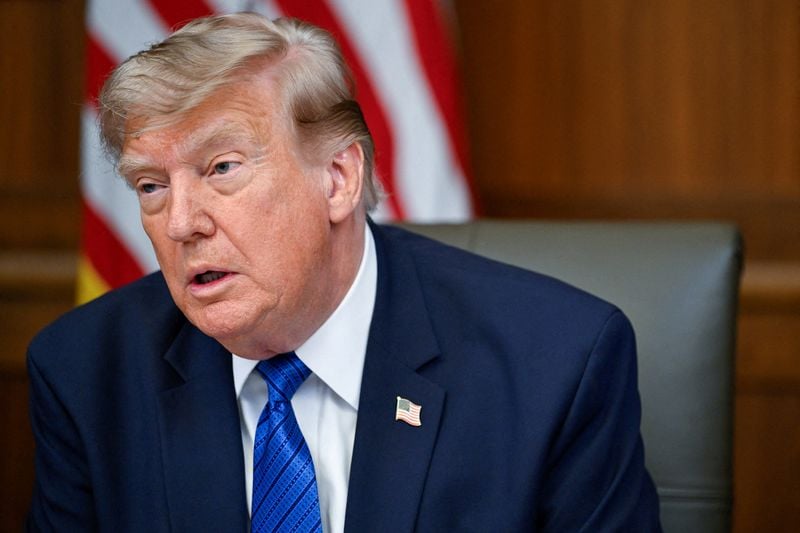
President Donald Trump plans to meet with U.S. refiners and fuel retailers next week to address the issue of rising gasoline prices, according to sources familiar with the situation. The meeting is set to take place as the administration aims to alleviate the strain on consumers caused by the Iran war, with the upcoming November congressional midterm elections in mind.
The political stakes are high for Trump and his Republican allies, who are striving to maintain their narrow majorities in Congress. The ongoing conflict with Iran has garnered significant public disapproval, with a recent Reuters/Ipsos poll indicating that Trump's approval rating has plummeted to 33%, and only 31% of Americans approve of the war.
The attendees of this significant meeting are expected to comprise leading refiners, including Valero Energy Corp, Marathon Petroleum Corporation, and PBF Energy Inc, as well as key retailers. Oil and gas companies have reported robust second-quarter earnings due to the disruption caused by the Iran war, which has led to tightened supplies of gasoline and other refined products.
This situation has drawn criticism from Trump, who has called upon major oil producers and refiners to lower costs for consumers. The conflict has driven up oil and gasoline prices by disrupting energy flows through the Strait of Hormuz, through which 20% of the world's oil once flowed before the conflict began on February 28. U.S. regular gasoline prices have surged above $4 per gallon, a $1 increase compared to a year ago, resulting in a substantial financial burden for voters as they prepare for the midterms.
Oil prices have even reached a peak of $112 per barrel at the onset of the crisis, but have since declined as shipping through the strait has partially resumed.
Written by urgent.news from Investing.com's reporting — not their text. Machine-written — may contain errors; check the original before relying on it.
This story
This is one outlet's version. Read the fullest account.
- Trump tells voters ahead of midterms: 'Pretend I'm on the ballot' thehill.com
- US President Trump hits Canada on trade, says Hormuz Oil keeps flowing fxstreet.com
- US-Canada trade war deepens as Trump revives Depression-era trade tool – what’s at stake for consumers and the midterms theconversation.com
- US‑Canada Trade War Deepens as Trump Revives Depression‑Era Trade Tool – What’s at Stake for Consumers and the Midterms nakedcapitalism.com
- Alcohol became a flashpoint in the US-Canada trade war. Now both sides say they're losing. businessinsider.com