Trump downplays risk of Russian attack on NATO, calls Ratcliffe Moscow visit routine
Donald Trump said he does not expect Russia to attack NATO, describing recent CIA chief Ratcliffe's Moscow visit as routine and not exceptional.
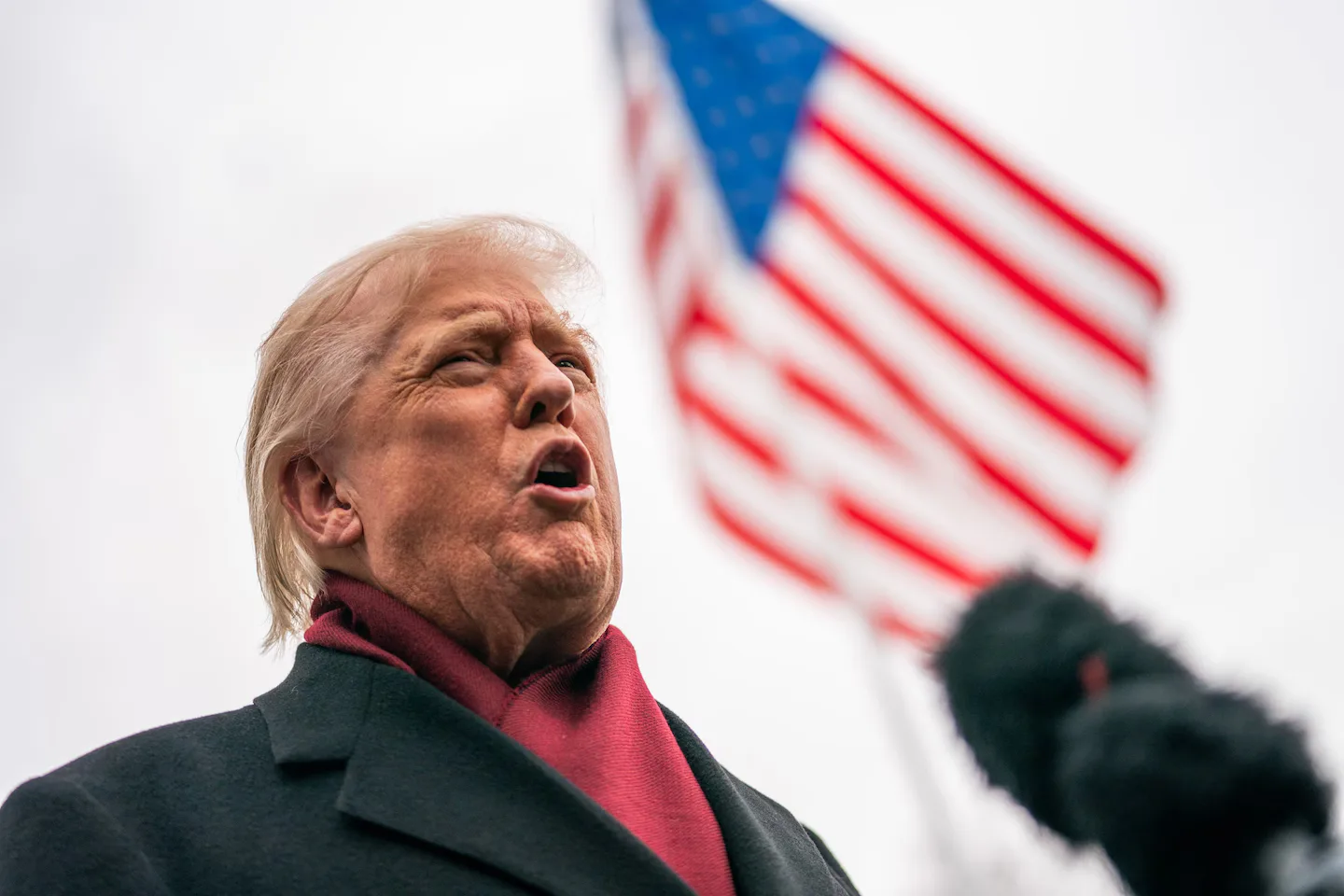
Former US President Donald Trump downplayed the risk of a Russian attack on NATO during an interview with Axios. He stated he does not expect Moscow to target any NATO member states, describing CIA Director John Ratcliffe's recent visit to Russia as routine and nothing exceptional. Trump expressed no alarm over the prospect of Russia attacking NATO, insisting "Russia will not attack NATO territory."
He also clarified that Ratcliffe's visit to Moscow was a typical trip and did not involve delivering any special warning to Russia. Ratcliffe's relationship with Russian intelligence chief Sergei Naryshkin, whom he regularly meets, is described as good, with the meeting being part of regular cooperation and not unusual. These comments come as European nations express growing concerns about possible Russian provocations against NATO, particularly after Russian drones entered the airspace of alliance members like Romania and Poland.
Meanwhile, Russia's Foreign Ministry warned the UK and France against "playing with fire" by providing Ukraine with technology for long-range strikes inside Russian territory, amid ongoing tensions in the Russia-Ukraine conflict.
Written by urgent.news from Ajel English's reporting — not their text. Machine-written — may contain errors; check the original before relying on it.
This story
This is one outlet's version. Read the fullest account.
- Trump to Axios: I'm not worried Russia will attack NATO axios.com
- Trump coy on ‘Economic D-Day’ measures toward Russia, China thehill.com
- Trump says ‘Putin won’t attack NATO’; Kremlin calls reports of possible Russian strike ‘scare stories’ livemint.com
- Trump says he had 'good talks' with Putin, Russia is 'not going to attack' NATO territory euronews.com
- Kremlin labels possible attack on NATO as 'scare stories' rte.ie
- Trump on possible Russian attack on NATO country: I'm not concerned at all; there's no problem en.interfax.com.ua