Transport costs force more than 40% of public transport users to travel less, UCT study finds
More than 40% of public transport users have cut back on travel because of rising costs, a UCT study of 2,198 commuters has found. The report also shows that six in 10 commuters would consider using trains if services were safe and reliable.
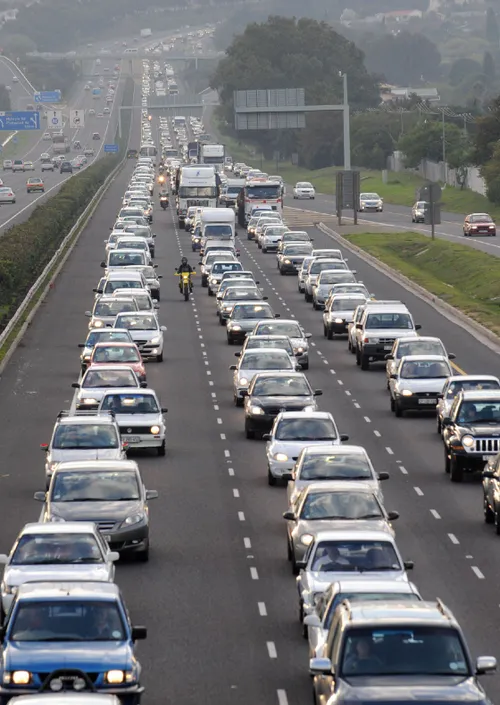
A recent study by the University of Cape Town reveals that over 40% of public transport users have been compelled to reduce their travel due to rising transport costs, with an even higher 31% of motorists cutting back on driving because of high fuel prices. The UCT Liberty Institute of Strategic Marketing's Commuter Report 2026, which surveyed 2,198 commuters nationwide and conducted 100 in-depth interviews, found that 45% of motorists have sought to reduce their commuting expenses within the past year. In response, 15% of these motorists have opted for smaller, more fuel-efficient vehicles.
Paul Egan, managing consultant at the UCT Liberty Institute, highlights that public transport users have limited options when costs escalate, stating, "While private vehicle owners can adjust their habits or downsize to cope with inflation, public transport users have far fewer levers to pull." The report underscores that millions of South Africans already face "travel poverty," where restricted mobility directly limits access to job opportunities, basic services, and personal wellbeing.
Among private-car commuters, 59% would switch to trains if safe and reliable services were available, while 62% of taxi and bus users would make the same switch. Despite the high costs of owning and maintaining a vehicle, nearly 70% of public transport commuters still prefer traveling by car, largely due to safety and the control it offers over their journey. One public transport user shared, "I want to control what time I leave and arrive, and I want to be in control of my own safety."
Safety concerns were prevalent among commuters, with 41% of public transport users expressing fear for their personal safety on South African roads, compared to 33% of motorists. Additionally, 14% of drivers reported experiencing serious road rage. Co-author Associate Professor James Lappeman notes that while owning a car provides commuters with independence in terms of schedule, it often comes with anxiety, road stress, and safety concerns.
The study also categorized commuters into five distinct types: the escapist, who uses music, radio, or podcasts to avoid traffic and surrounding noise; the recharger, who seeks quiet time for reflection or prayer; the social connector, who uses the journey to interact with fellow passengers; the time optimiser, who aims to make productive use of the trip by planning, organizing, or making phone calls; and the endurer, who focuses on simply getting through the journey.
Lappeman acknowledges that commuters may not remain static in their commuter type, shifting from one category to another depending on the day and personal needs.
Written by urgent.news from IOL's reporting — not their text. Machine-written — may contain errors; check the original before relying on it.