Toyota tug-of-war exposes ASEAN’s investment dilemma
A race between member countries to attract factories undermines ASEAN ambitions to become a unified economic powerhouse, analysts say.
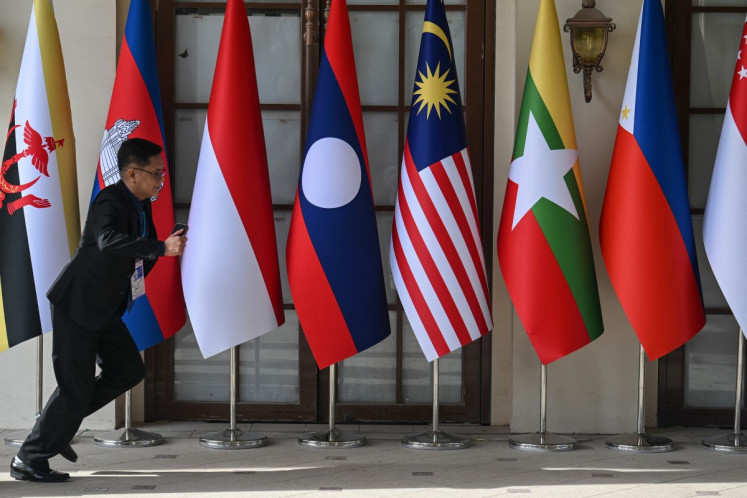
A tug-of-war between Indonesia and Thailand over Toyota factories highlights ASEAN's investment challenges, analysts argue. The Association of Southeast Asian Nations (ASEAN) has long aimed to become a unified economic powerhouse, yet weakening regional integration threatens its goals, with countries vying to attract investments through incentives and restrictions.
ASEAN has spent decades reducing trade barriers and linking supply chains, yet it still struggles to coordinate investments and industrial policies, with member nations competing for larger portions of the economic pie.
Recently, Jakarta publicly urged Toyota to consider moving its regional production base from Thailand to Indonesia. Finance Minister Purbaya Yudhi Sadewa offered sweeping incentives and regulatory concessions to entice the Japanese carmaker, questioning why Thailand remained ASEAN's automotive manufacturing hub. "I'll give you every incentive you want," Purbaya said, pointing out that Indonesia, Southeast Asia's largest economy with nearly 290 million people, has yet to establish itself as a regional manufacturing base.
Thailand has historically outpaced Indonesia in attracting global carmakers due to its well-established industrial ecosystem and export infrastructure. Indonesia has struggled to compete, largely due to less attractive incentive packages. In response, Bangkok plans to overhaul its auto excise regime by the end of the year, making local production more appealing and discouraging imports from carmakers without local factories in Thailand.
Written by urgent.news from The Jakarta Post's reporting — not their text. Machine-written — may contain errors; check the original before relying on it.