Titik panas Kalimantan berganda, kualiti udara 10 kawasan merosot
Titik panas Kalimantan meningkat kepada 520 hari ini berbanding 254, selain Sumatera melonjak 176 berbanding 12.
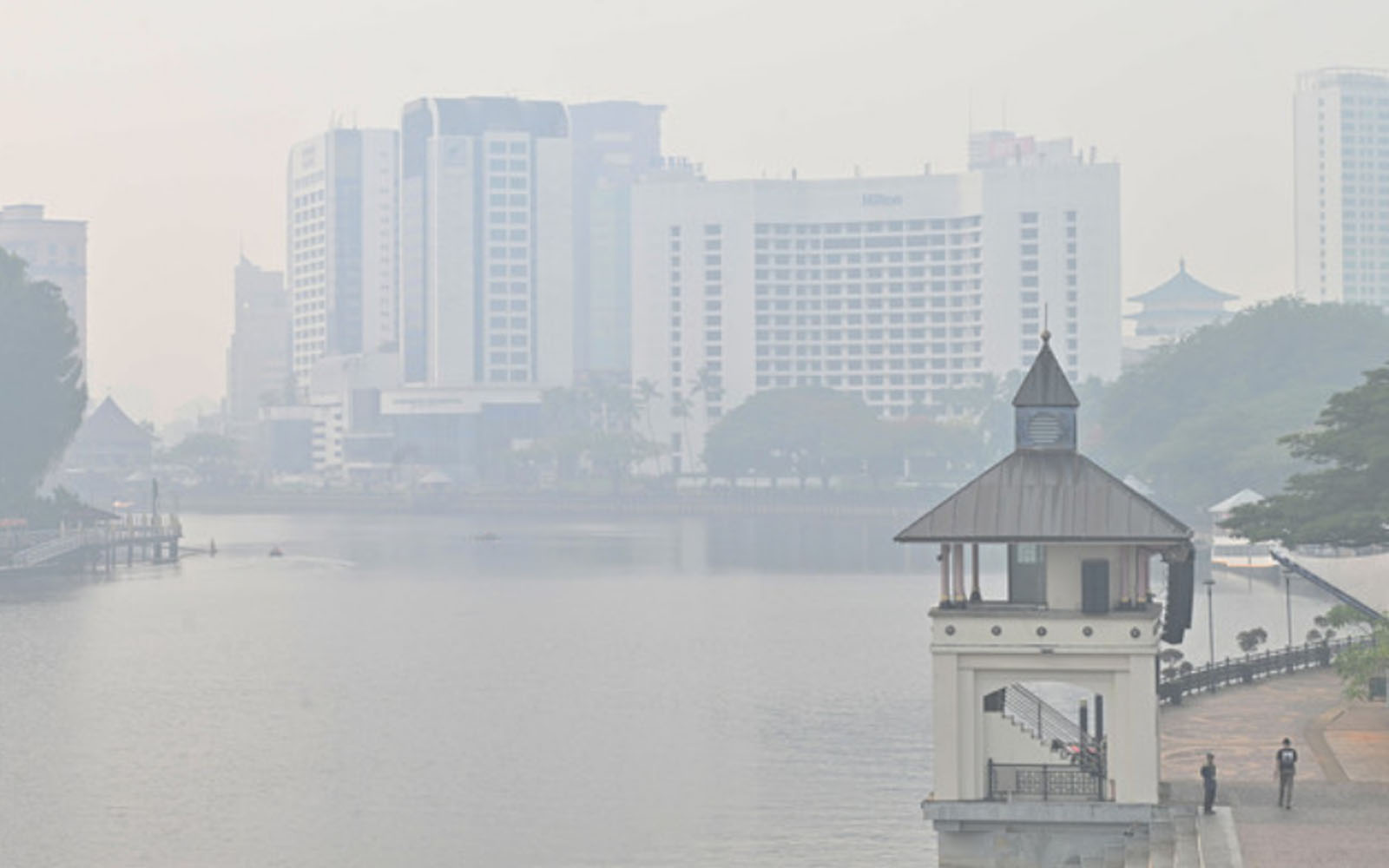
The number of hotspots in Kalimantan has increased from 520 to 520, while in Sumatra, it has risen from 176 to 176, according to the ASEAN Specialized Meteorological Centre (ASMC) report. Azuri Azizah Saedon, Deputy Director General of the Department of Forestry (JAS), stated that the primary cause of the simple and dense smoke is the group of hotspots in West Kalimantan, which then moves northward towards the western part of Sarawak.
This situation has also led to the deterioration of air quality in several regions, with 10 areas in Selangor, Kuala Lumpur Federal Territory, Putrajaya, Negeri Sembilan, Kedah, and Sarawak recording unhealthy air pollution index (API) readings as of 7pm yesterday. The highest API readings were recorded in Sri Aman and IPD Serian in Sarawak, at 157, followed by Cheras (156) in Selangor, and Johan Setia (153).
Other unhealthy areas include Nilai, Negeri Sembilan (138); Putrajaya and Shah Alam, Selangor (127 each); Batu Muda, Kuala Lumpur (114); Seremban, Negeri Sembilan (110); and Sungai Petani, Kedah (106). Three hotspots were also detected in Malaysia, one each in Terengganu, Johor, and Sarawak, as per the National Oceanic and Atmospheric Administration's (NOAA) satellite image analysis by ASMC.
The ASMC has also highlighted a dry weather pattern across most of the ASEAN southern region, with a significant hotspot cluster in the area. In response, JAS has intensified daily patrols and intensified operations in potentially vulnerable hotspot areas, while closely monitoring API readings. The National Open Burning Action Plan (PTPTK) and National Smoke Control Action Plan (PTJK) have been activated to coordinate government agencies in managing open burning and smoke situations.
This includes the National Disaster Management Agency's (Nadma) preparations to activate the Disaster Management Unit if API readings exceed 150 for over 24 hours, as well as implementing measures such as halting extracurricular activities, closing schools, kindergartens, and camps, and conducting Smoke Dispersion Operation (OPA). The public can monitor the latest API readings through JAS's website or MyJAS EQMS app.
Written by urgent.news from Free Malaysia Today's reporting — not their text. Machine-written — may contain errors; check the original before relying on it.
Also reported by 1 other outlet
- Titik panas Kalimantan berganda, kualiti udara 10 kawasan merosot freemalaysiatoday.com