The general who could end Netanyahu’s era
The general who could end Netanyahu’s era newspress_en Thu, 08/27/2026 - 16:15 Politics Israeli politics are littered with the unaccomplished ambitions of former generals who thought they could turn military gravitas into political success. Of Israel’s 14 prime ministers, only three were generals, and the last one (Ariel Sharon) was elected more than 20 years ago. Still, a long line of military…
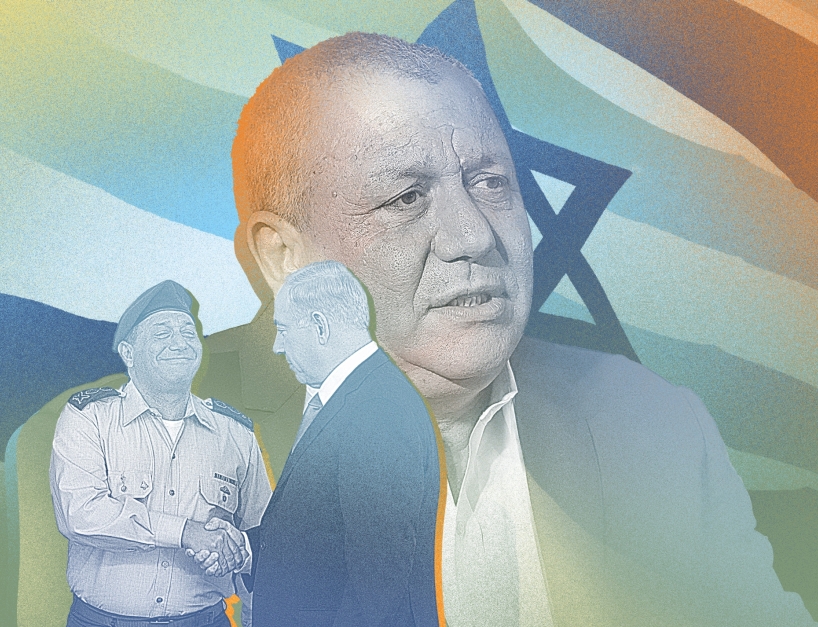
Israeli politics has seen numerous failed attempts by former generals to leverage their military status into political success, but Gadi Eisenkot might be the first to break the cycle. Recent polls show Eisenkot slightly ahead of incumbent Prime Minister Benjamin Netanyahu, with 43% of the public preferring him as the next Prime Minister, compared to Netanyahu's 34%.
Eisenkot's political philosophy stands in stark contrast to Netanyahu's. He hails from humble beginnings, having grown up in the port city of Eilat, unlike Netanyahu who grew up in Jerusalem. Eisenkot's personal life has also been marked by tragedy, with both his son and nephews losing their lives during the war in Gaza. This has shaped his political image as a man of stoic authority and personal sacrifice.
One of Eisenkot's key political strategies is to contrast his military discipline and modest origins with Netanyahu's perceived excesses. While Netanyahu rose through the ranks of the elite Sayeret Matkal unit and grew up in a wealthy neighborhood, Eisenkot started in the Golani Brigade, a unit open to all walks of Israeli society. This background, combined with his personal loss, forms the foundation of Eisenkot's political brand.
However, Eisenkot's path to political success has not been without challenges. He is often labeled as a hawk due to his association with the "Dahiyeh Doctrine," a policy of disproportionate force and destruction of civilian infrastructure. Despite this criticism, Eisenkot's military tenure was relatively calm, and his first move after joining the war cabinet was to oppose a surprise attack against Hezbollah. This suggests a more nuanced approach to military intervention than often portrayed.
Written by urgent.news from Al Majalla English's reporting — not their text. Machine-written — may contain errors; check the original before relying on it.