Six months of war: How the Middle East conflict has shaped financial markets
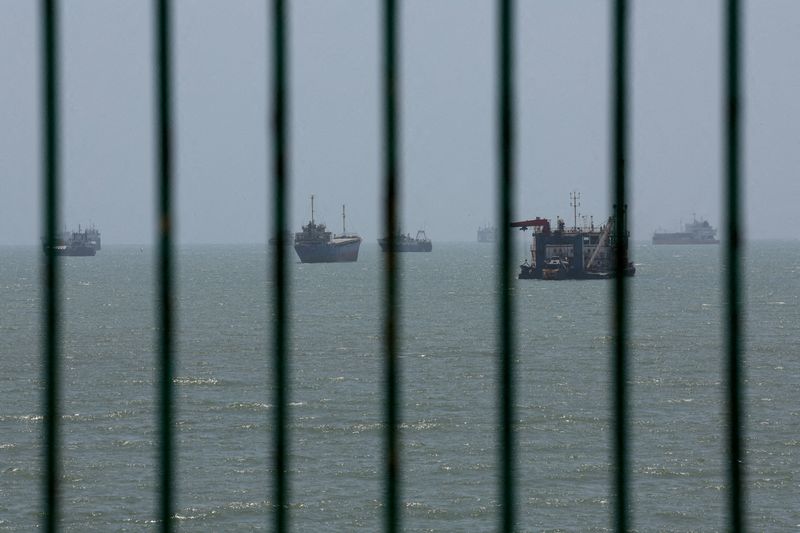
Six months have passed since the U.S. and Israeli airstrikes on Iran sparked a conflict that has heavily impacted global energy supplies and financial markets. Oil prices skyrocketed when Gulf production was disrupted and Strait of Hormuz shipments were curtailed, with Brent crude reaching near $120 per barrel in April, still hovering around $90 in 2026, up from around $70 in 2022.
The effects were most pronounced on refined fuels, particularly diesel, which saw sharp price hikes due to middle distillate shortages and Gulf export losses. Russian refinery outages, caused by Ukrainian attacks, also impacted heating oil supplies. Despite the initial shock, global stocks have largely remained indifferent, buoyed by significant inflows into the AI sector.
MSCI's 47-country index hit a record $105 trillion in August, a 9% gain since the war began, though Gulf region stocks underperformed. Fidelity analyst Pranav Aggarwal noted that investors were taking a relaxed view, expecting the conflict to end by year's end. However, traditional safe-haven assets like bonds, gold, and the dollar have not performed as expected.
The dollar rose 1.4% against a basket of currencies since the conflict started, but this was driven largely by the yen's weakness. U.S. Treasuries, once a safe-haven choice, have declined 3.5% as higher inflation has derailed rate cut expectations and concerns about the new Fed chief and debt buyback plans have surfaced. Gold, which plummeted nearly 25% between the war's start and July, has recovered more than 15% since then, reflecting renewed concerns about dollar debasement.
The Strait of Hormuz's closure has also disrupted fertilizer shipments, exacerbating food price concerns. Combined with a strong El Niño and Ukraine-related grain shipment disruptions, the situation threatens agricultural output. Food prices surged to a three-year high in July, with the FAO warning of potential future inflation.
JPMorgan estimates that a strong El Niño could push global food inflation up by 0.7%. The Gulf's impact was evident with a 10% drop in Saudi Arabia's exports and a 70%-80% decline in Dubai's property sales. Qatar and UAE stocks fell around 14%, underperforming world stocks by over 20 percentage points. Credit default swap prices for these countries have also increased, with Bahrain experiencing the most significant jump at nearly 40%.
Written by urgent.news from Yahoo Finance's reporting — not their text. Machine-written — may contain errors; check the original before relying on it.
This story
This is one outlet's version. Read the fullest account.
- WTI slips below $81.50 amid Middle East diplomacy fxstreet.com
- Stocks rise as oil slides on Middle East diplomacy hopes qatar-tribune.com
- Qantas profits dip following Middle East war theage.com.au
- Qantas profits dip following Middle East war smh.com.au
- Qantas profit falls 20pc as Middle East conflict drives up fuel costs malaymail.com
- Oil prices extend losses on expectations talks will ease Middle East supply woes businesstimes.com.sg
- Six months of war: How the Middle East conflict has shaped financial markets investing.com