Qantas profits dip following Middle East war
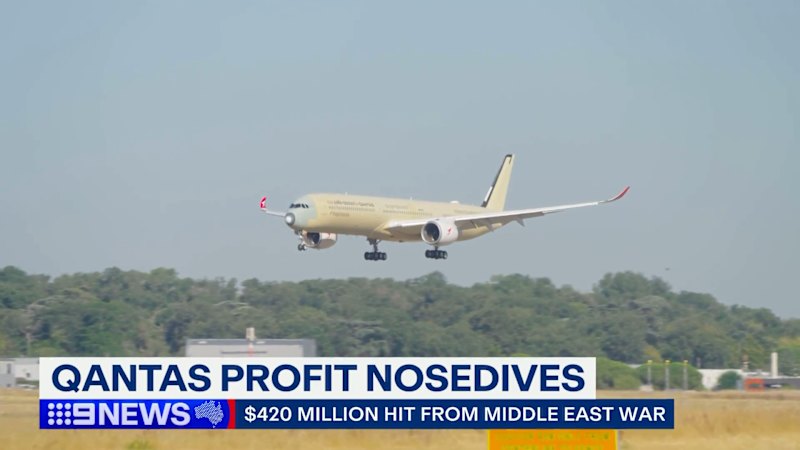
Qantas profits have fallen more than 13 per cent in the previous financial year, with the war in the Middle East fueling the slump.
Six months have passed since the U.S. and Israeli bombing of Iran sparked a Middle Eastern conflict that has disrupted global energy supplies and impacted financial markets. Oil prices surged as Gulf production was disrupted and shipping through the Strait of Hormuz was limited. Brent crude briefly surpassed $120 in April and now averages around $90, up from $70 last year.
The most significant effect has been on refined fuels, with diesel prices rising sharply due to middle distillate shortages, Russian refinery outages, and lost Gulf export flows. Jet fuel initially suffered heavily as the Gulf played a crucial role, but increased U.S. refinery output and exports helped ease supply worries. As winter approaches, further Hormuz disruptions and potential risks to Russia's energy infrastructure could heighten heating-oil prices and inflation.
Global stocks largely ignored the war, propelled by trillions of dollars flowing into the AI sector. The MSCI's 47-country world stocks index reached a $105 trillion record high this month, up almost $7 trillion or 9% since the conflict started, although Gulf region stocks underperformed. Fidelity analyst Pranav Aggarwal noted investors were taking a relatively relaxed view and still expected the war to end in 2026. Equities are performing well, with a 14% gain for the year, exceeding a standard 8% to 9% annual return.
However, assets typically sought in times of trouble, like high-rated government bonds, gold, and the dollar, have not consistently acted as traditional safe-havens. The dollar has risen 1.4% against a basket of major currencies since the war began, though most of the increase reflects the yen's weakness. U.S. Treasuries, a staple in portfolios, have fallen 3.5% in total return terms as higher inflation has undermined expectations for U.S. rate cuts.
More recent concerns about new Federal Reserve chief Kevin Warsh and Washington's debt buyback plans have added to the pressure. Gold dropped nearly 25% between the war's start and July, but it rebounded more than 15% this month amid renewed worries about dollar devaluation. The closure of the Strait of Hormuz disrupted fertilizer shipments, a crucial input for global food production, along with strong El Niño and additional disruptions from the war in Ukraine.
Food prices surged to a three-year high in July, according to the U.N. Food and Agriculture Organization. Experts warn that many impacts remain to be felt, and the FAO expects another bout of food inflation. JPMorgan estimates global food inflation could rise by 0.7% at its peak due to a strong El Niño. The direct impact on the Gulf has been severe, with Saudi Arabia's exports declining 10% quarter-over-quarter, Dubai property sales falling 70%-80%, and Qatar's economy shrinking almost 30% this year due to damage to its gas facility.
Qatar and UAE stocks have underperformed by more than 20 percentage points compared to world stocks. Additionally, credit default swap prices for all three countries have risen, with Bahrain particularly hard hit at nearly 40%.
Written by urgent.news from Investing.com's reporting — not their text. Machine-written — may contain errors; check the original before relying on it.
This story
This is one outlet's version. Read the fullest account.
- WTI slips below $81.50 amid Middle East diplomacy fxstreet.com
- Stocks rise as oil slides on Middle East diplomacy hopes qatar-tribune.com
- Qantas profits dip following Middle East war theage.com.au
- Qantas profit falls 20pc as Middle East conflict drives up fuel costs malaymail.com
- Oil prices extend losses on expectations talks will ease Middle East supply woes businesstimes.com.sg
- Six months of war: How the Middle East conflict has shaped financial markets investing.com
- Six months of war: How the Middle East conflict has shaped financial markets finance.yahoo.com