Russia's bid to launch a Starlink rival is falling embarrassingly short — 'Rassvet' is losing satellites faster than it can build them
Russia's Rassvet broadband constellation faces orbital difficulties, stalled satellites, and potential launch infrastructure disruptions threatening its ambitious 2027 deployment schedule.
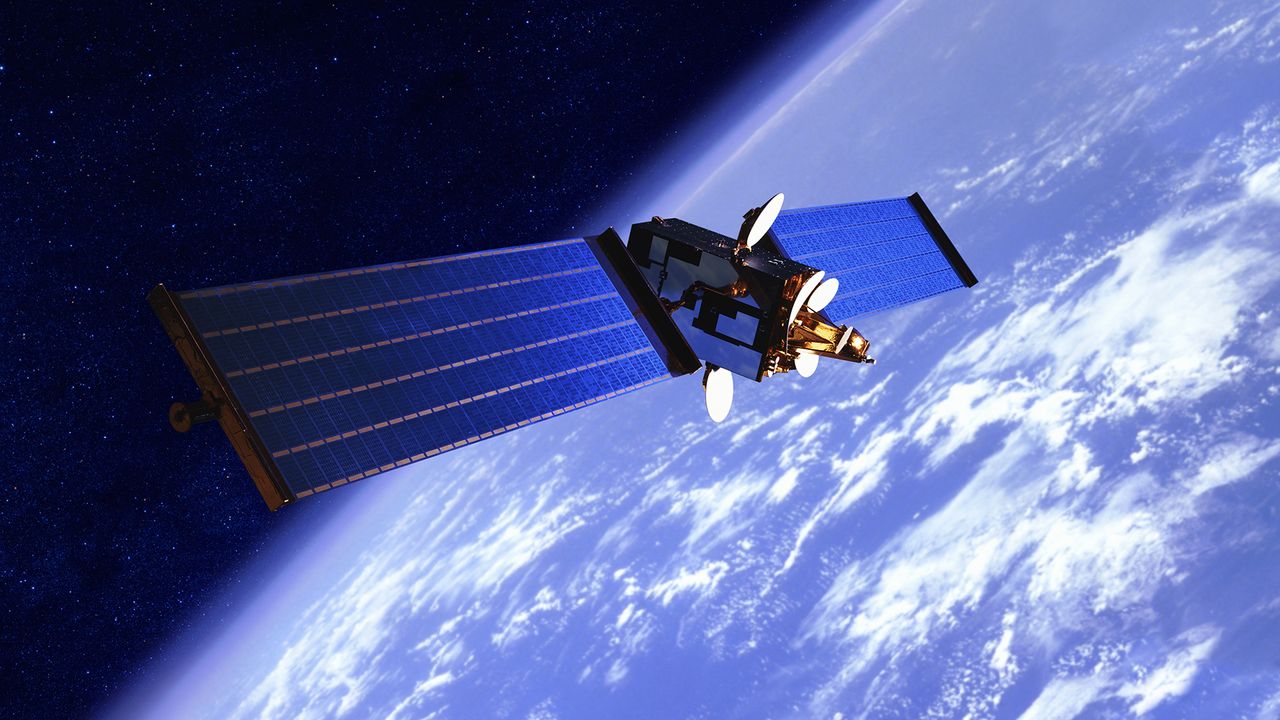
Russia's attempt to launch a rival to SpaceX's Starlink satellite network, called Rassvet, is struggling to keep pace. The Rassvet-3 system, developed by the company Bureau 1440, has faced technical and industrial issues. Two batches of spacecraft were sent up in March and July of 2026, but many have not reached their intended altitude or have already fallen from orbit.
One satellite, Rassvet-3 No. 4, lost its orbit and reentered Earth's atmosphere on June 6. Two more spacecraft have shown no signs of orbital-raising maneuvers since their launch on July 19 and are currently hovering at an average altitude of 290 kilometers. Without engine activity to counter the decline, these satellites risk reentering Earth's atmosphere.
The company has paused raising some Rassvet satellites to higher altitudes, but the reason for the pause remains unclear. In addition to these satellite issues, a separate complication has arisen in Russia with Ukrainian forces reportedly using cruise missiles to strike the Progress Rocket and Space Center in Samara. This facility is responsible for building the Soyuz-2.1b rockets that carry every Rassvet-3 satellite launched this year.
The plant also supports various other Russian launches. The loss of this production capacity could make it difficult to sustain the launch tempo needed to reach nearly 300 satellites in the Rassvet constellation.
Written by urgent.news from TechRadar's reporting — not their text. Machine-written — may contain errors; check the original before relying on it.