Postpartum Psychosis: Who Is Most at Risk?
(MedPage Today) -- The trial of Lindsay Clancy, a former nurse who killed her three kids, has brought renewed attention to the most tragic outcomes of postpartum psychosis. However, an expert told MedPage Today that postpartum psychosis is a complicated...
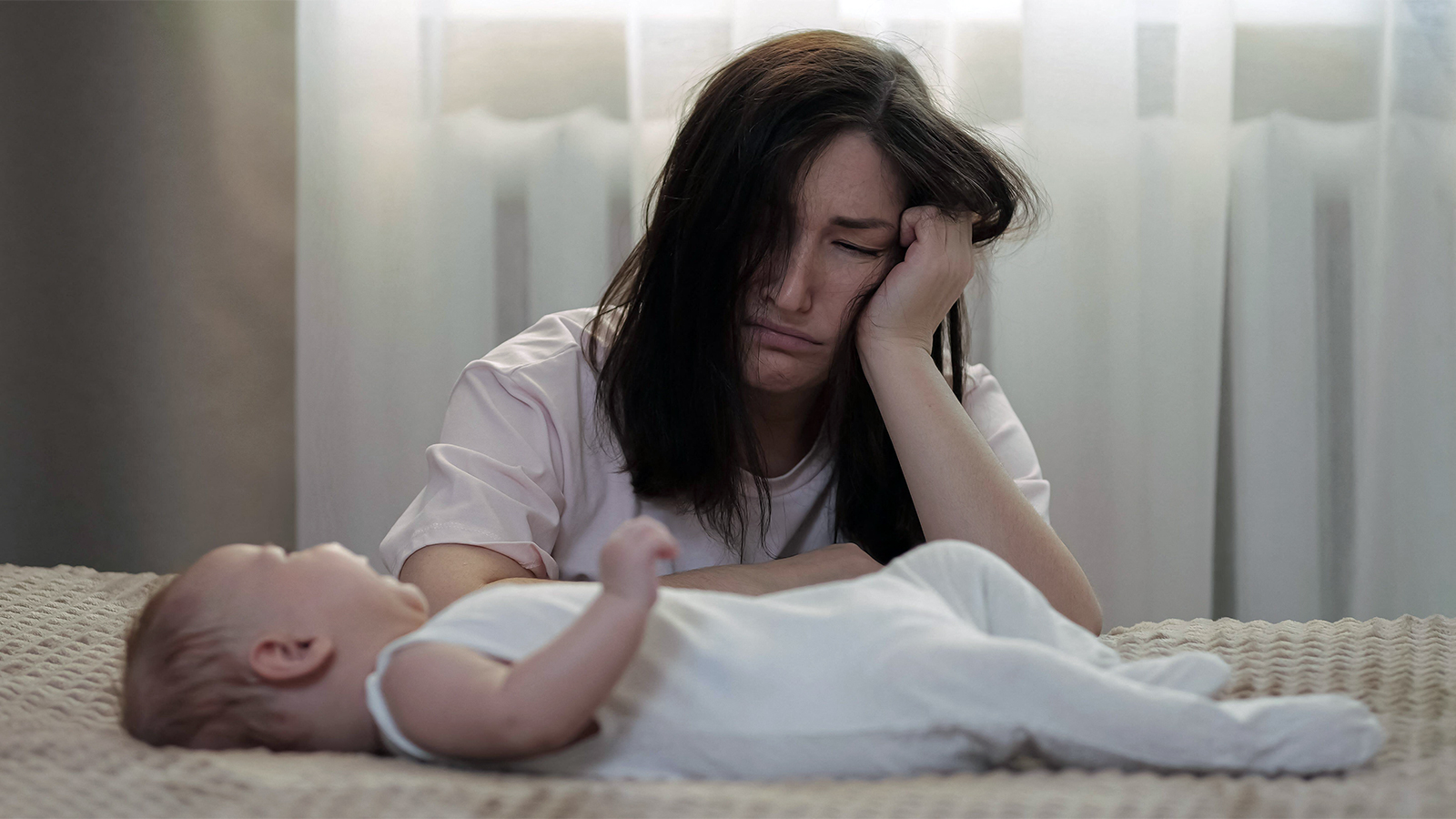
A former nurse, Lindsay Clancy, recently gained renewed attention for her involvement in a high-profile postpartum psychosis case. However, experts argue that postpartum psychosis is a complex condition with varying severity levels, and certain groups are at higher risk. Perinatal psychiatrist Nancy Byatt, DO, MS, MBA, from UMass Chan Medical School, explained that postpartum psychosis affects 1 to 2 out of every 1,000 births.
This condition often co-occurs with bipolar disorder, although it can also arise in individuals without a history of mental illness. Clinicians should be vigilant for symptoms such as sleep disturbances, racing thoughts, and intrusive thoughts of harming the baby, which may indicate postpartum psychosis. Early diagnosis and treatment are crucial to prevent the condition from escalating into a psychiatric emergency.
Byatt emphasized the importance of considering a patient's history of bipolar disorder when assessing the risk of postpartum psychosis. While the condition is not currently recognized in the DSM-5, there is growing momentum to include it. Byatt stressed the need for compassion and understanding when treating postpartum psychosis, highlighting the significant impact mental health conditions can have on both the mother and the baby.
Written by urgent.news from MedPage Today's reporting — not their text. Machine-written — may contain errors; check the original before relying on it.