Police Fire Water Cannons, Tear Gas to Disperse Jakarta Protesters
Police fired water cannons and tear gas to push back protesters in front of the parliament complex late Thursday, August 27, 2026.
On August 27, 2026, Jakarta police utilized water cannons and tear gas to disperse protesters near the parliament complex on Jalan Pejompongan Raya. Initially, police fired tear gas at the crowd while intermittently opening gates. Despite the warning, the protesters persisted in their demonstrations. The police gave a final order for the crowd to disperse, urging them not to resist.
As the allocated time for the protest had ended, the police opened the main gate and unleashed a water cannon. Central Jakarta Police Chief, Senior Commissioner Reynold Elisa Partomuan Hutagalung, gave the command via a loudspeaker.
The police convoy, comprising three water cannons and other tactical vehicles, moved out. The crowd fragmented into two groups, one heading towards Cawang and the other toward Slipi. Tear gas was employed to further disperse the protesters. Some demonstrators attempted to mitigate the tear gas effects by splashing water on their faces, while others fell upon fleeing.
After the tear gas dissipated, the protesters returned to the police barricade, situated approximately one hundred meters away. Occasionally, protesters launched fireworks at the barricade. Iqbal, a resident of Pejompongan, recounted that the protesters had been present since the afternoon. However, the unrest intensified around 7:00 p.m. local time, following the police's attempt to push the crowd back. Tear gas was only issued in the evening.
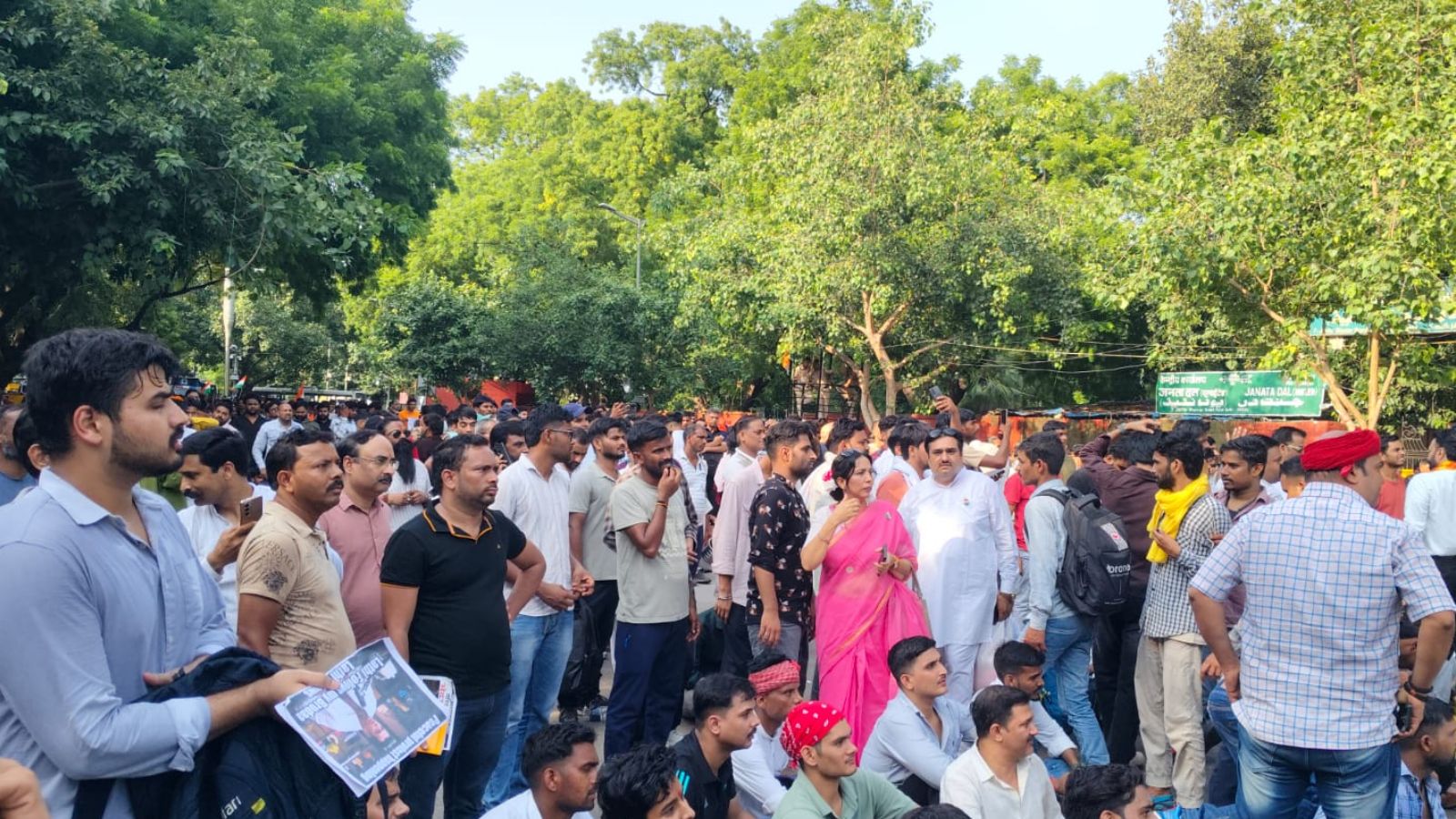
Two burned-out motorcycles were observed near the Pejompongan Police Post during the incident, with local residents gathering nearby. The protest at the House of Representatives (DPR) building commenced around 10:00 a.m., sparked by civil society groups, including the United Pati Community Alliance (AMPB). Their primary demands included the ratification of the Asset Seizure Bill and the imposition of the death penalty for corrupt individuals.
The crowd dispersed amicably around 12:00 p.m., after engaging in talks with lawmakers. However, as the afternoon progressed, a new wave of protesters, comprising various demographics such as women's groups, ride-hailing drivers, college students, and high school students, began arriving at the parliament complex. When the night-time unrest erupted, the protesters were not seen donning any distinctive clothing representing civil organizations or campuses.
Written by urgent.news from Tempo.co English's reporting — not their text. Machine-written — may contain errors; check the original before relying on it.