Nvidia’s $279 billion memory commitment reshapes the semiconductor competitive landscape
Nvidia has committed $279 billion over multiple years to purchase memory components, a 135% increase from the previous quarter. This move signals that Nvidia now views memory access as critical to its operations rather than just a component supplier. The $279 billion commitment focuses primarily on high-bandwidth memory (HBM) and indicates Nvidia's intent to secure supply before demand.
This shift in strategy is evident in Nvidia's FY2027 Q2 earnings report from August 26, 2026, where the company's focus shifted from being a tech firm ordering components to a commodity buyer securing raw materials.
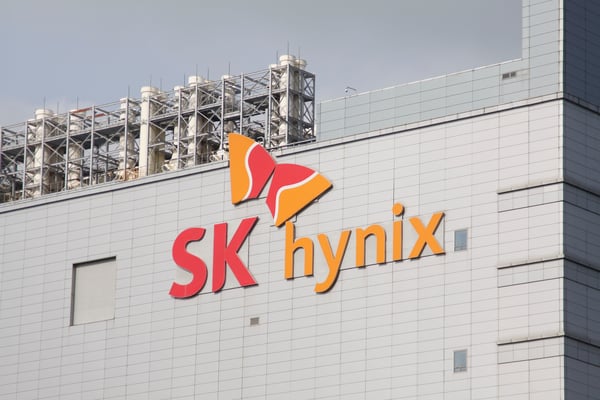
The company is reportedly considering downgrading its HBM4 stacks from 12-Hi to 8-Hi for its Rubin Ultra architecture to optimize the limited die pool and increase accelerator production. Nvidia's decision to ration its own specifications to ensure supply availability has put competitors in a different position. Asian memory makers, SK Hynix, Samsung Electronics, and Micron Technology, saw positive reactions to Nvidia's commitment, while AMD shares fell in response.
Nvidia's margin guidance for Q4 has been revised downward, with gross margins expected to decline from 72% to 71-72% due to higher memory costs. This change suggests that memory makers will capture the margin that Nvidia previously enjoyed. Advanced Micro Devices (AMD) shares also dropped following Nvidia's commitment, further illustrating the impact on competitors.
The semiconductor industry is shifting from a demand-constrained to a supply-constrained paradigm, with Nvidia positioned to secure first allocation of resources. This development may lead other companies to explore architectural alternatives, such as custom ASICs and specialized accelerators, to circumvent the memory constraint.
Written by urgent.news from Investing.com's reporting — not their text. Machine-written — may contain errors; check the original before relying on it.