Nepal Faces Major GLOF Threat As 47 Dangerous Glacial Lakes Put Communities, Infrastructure At Risk
Kathmandu: Scientific assessments by the International Centre for Integrated Mountain Development (ICIMOD) and the Government of Nepal have classified 47 glacial lakes as Potentially Dangerous Glacial Lakes (PDGLs), warning that they could trigger catastrophic glacial lake outburst floods (GLOFs) into Nepal’s river systems. Glacial Lake Outburst Floods (GLOFs) occur when natural moraine or ice…
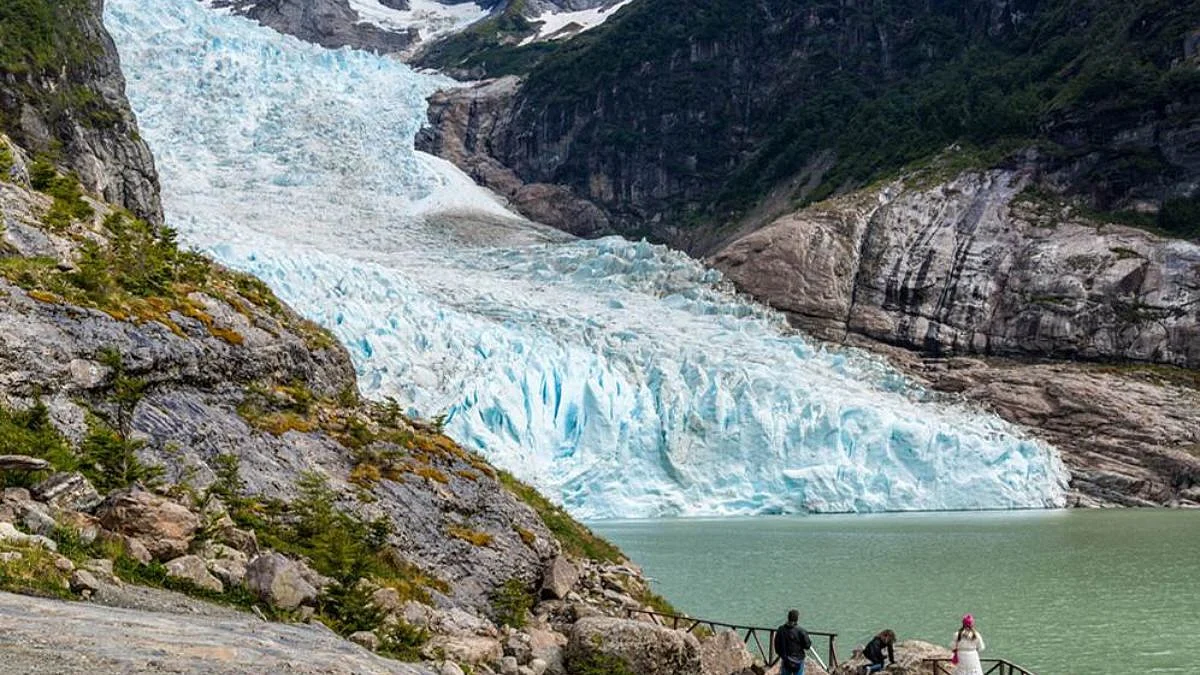
Kathmandu: A recent assessment by ICIMOD and the Government of Nepal has identified 47 glacial lakes as Potentially Dangerous Glacial Lakes (PDGLs), warning of a significant risk of catastrophic Glacial Lake Outburst Floods (GLOFs) into Nepal's river systems. These GLOFs, triggered when natural dams containing glacial meltwater fail, are exacerbated by rising global temperatures that accelerate glacier retreat in the Hindu Kush Himalaya region.
Of the 47 identified lakes, 21 are located within Nepal's borders, while the remaining 25 are transboundary lakes situated in Tibet. These lakes are positioned at the headwaters of rivers flowing southwards into Nepal, potentially endangering downstream communities and infrastructure. The disaster management authorities and UNDP have highlighted a critical group of rapidly expanding moraine-dammed lakes, particularly Lower Barun (Tallopokhari), Thulagi (Dona), Lumding Tsho, Hongu 2 / Chamlang South, Tsho Rolpa, and Imja Tsho, for immediate risk-reduction and lake-lowering interventions.
The most exposed districts within Eastern and Central Nepal, covering the Koshi and Bagmati basins, account for over 85 percent of the total regional risk. Vulnerable areas include Solukhumbu (Dudh Koshi and Imja basins), Sankhuwasabha (Barun and Arun river corridors), Dolakha (Tama Koshi corridor, threatened by Tsho Rolpa), and Sindhupalchok (Bhote Koshi and Sun Koshi corridors), which are threatened by potential outbursts from transboundary lakes in Tibet.
Downstream river settlements, such as Ramechhap, Kavrepalanchok, and Rasuwa, located along the Trishuli basin, are also at risk. In Western and Far-Western Nepal, districts like Manang, Lamjung (Marsyangdi basin), Gorkha (Budhi Gandaki basin), Mustang and Myagdi (Kali Gandaki basin), and Humla (Limi Valley and Humla Karnali corridor) face direct impact corridors from these high-risk lakes.
Written by urgent.news from Free Press Journal's reporting — not their text. Machine-written — may contain errors; check the original before relying on it.