MIT built AI system to map extreme events that have never happened before
MIT engineers have developed an AI-based machine-learning method that can create realistic scenarios for extreme weather events that have never been recorded. The system can generate maps showing the possible size, intensity and duration of rare storms. Using weather statistics and spatial data, it can model events that are more extreme than those in the training data. Researchers say the method…
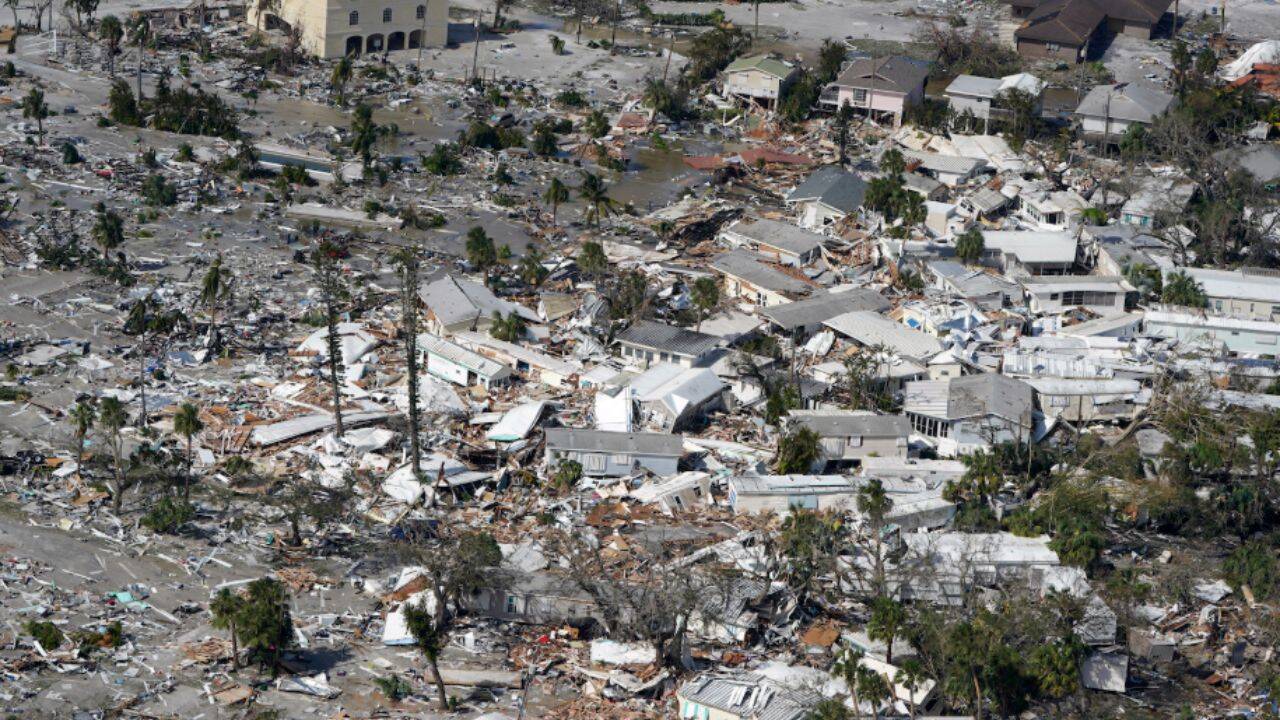
MIT scientists have created an advanced AI system capable of generating realistic simulations of extreme weather events that have never been observed before. The system, called Extreme Event Aware, or η-learning, can create maps detailing the potential size, intensity, and duration of these unprecedented weather patterns. This new technology could prove invaluable for weather experts, disaster relief teams, and infrastructure designers seeking to prepare for and mitigate the impact of these rare but potentially devastating occurrences.
One of the key challenges in modeling extreme weather events is the scarcity of historical data. Traditional prediction methods rely on past extreme events, often resulting in inaccurate risk assessments when dealing with highly unusual scenarios. To address this, MIT researchers turned to machine learning, developing a novel approach that learns statistical patterns from available data and generates plausible extreme events, even when such events are not present in the training data.
To evaluate their method, the researchers employed 25 years of hourly precipitation maps covering the continental United States. They transformed this data into daily maps and calculated statistics on the frequency of maximum rainfall levels. Using only the first six months of data, which contained few examples of extreme rainfall, the algorithm learned how broad patterns in low-resolution maps correlated with detailed high-resolution rainfall data. This knowledge enabled the system to generate rare but statistically plausible storm scenarios.
The AI-generated maps provide crucial information about the storm's potential location, extent, and rainfall intensity. These visualizations can help weather experts issue early warnings and guide disaster relief teams in their preparations. Moreover, the AI system's potential applications extend beyond rainfall, potentially being applied to other extreme events such as floods, wildfires, and even financial market crashes.
The researchers believe the Extreme Event Aware system could also prove useful in robotic navigation and other complex systems that rely on statistical modeling. By providing accurate simulations of rare events, the AI tool could help optimize global systems and enhance preparedness for unforeseen challenges.
Written by urgent.news from Times of India's reporting — not their text. Machine-written — may contain errors; check the original before relying on it.