Lunar eclipse tonight: How to watch Spain’s spectacular celestial show – and do you need special glasses?
A SPECTACULAR lunar eclipse is set to light up the skies above Spain tonight, with the Moon turning a striking reddish colour as it passes through Earth’s shadow. The celestial
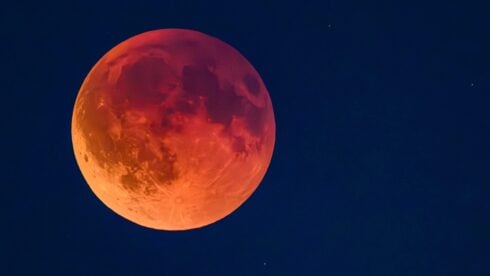
On August 27, a partial lunar eclipse will be visible across North and South America, as well as parts of Europe and Africa. This celestial event will paint the moon a reddish hue, resembling a hot fireplace poker. Unlike solar eclipses, there is no need for special darkened glasses to view the lunar eclipse, as it can be safely observed with the naked eye. The next total lunar eclipse will not occur for most of the Americas until 2029, making this partial eclipse a rare opportunity for a major lunar light show.
Residents of areas with city light pollution or cloudy weather may find it difficult to catch the lunar eclipse with the naked eye. However, several telescope observatories will be hosting free livestreams to bring the spectacle to viewers' screens. During a lunar eclipse, Earth slides between the sun and the moon, casting a shadow over the lunar surface.
The upcoming event is particularly exciting, as it is a deep partial eclipse, with Earth's dark shadow covering over 96 percent of the moon's face. Instead of turning completely dark, the moon will glow in various shades of coppery orange and red due to filtered sunlight from Earth's atmosphere.
A lunar eclipse is often referred to as a blood moon because it reflects light filtered through Earth's atmosphere. This phenomenon gives the impression of all the world's sunrises and sunsets being projected onto the Moon. As the eclipse progresses, viewers may also notice more stars becoming visible in the night sky as the bright moonlight dims.
A standard smartphone can capture a souvenir photo of the event, but for a closer look, professional telescopes are recommended. If you live outside the eclipse viewing zone, multiple astronomy groups have arranged free live broadcasts for you to enjoy.
Some notable broadcasts include the Griffith Observatory in Los Angeles, which will begin its livestream at 10:25 p.m. ET / 7:25 p.m. PT on August 27. Another option is the Virtual Telescope Project, which will provide high-resolution telescope views starting at 9:30 p.m. ET / 6:30 p.m. PT on the same date. Timeanddate.com will also offer a real-time telescope feed with expert tracking animations and commentary, commencing at 10 p.m. ET / 7 p.m. PT on August 27.
The main event will last well over an hour, giving viewers ample opportunity to switch between different livestreams and appreciate various telescope angles.
Written by urgent.news from Mashable's reporting — not their text. Machine-written — may contain errors; check the original before relying on it.
This story
This is one outlet's version. Read the fullest account.