Look East for lessons in democratic resistance
For all the horror of the Tiananmen crackdown, this period also brought extraordinary democratic breakthroughs elsewhere in Asia, as entrenched autocratic systems finally began to yield to democratic rule.
In the aftermath of the Tiananmen crackdown, Asia witnessed remarkable democratic progress amid enduring autocratic regimes. Sixty years ago, harsh authoritarianism reigned across the eastern edge of the continent. Quixotic attempts at political change held little promise of success. However, by the end of the 20th century, competitive elections had become commonplace, and erstwhile political prisoners assumed leadership roles.
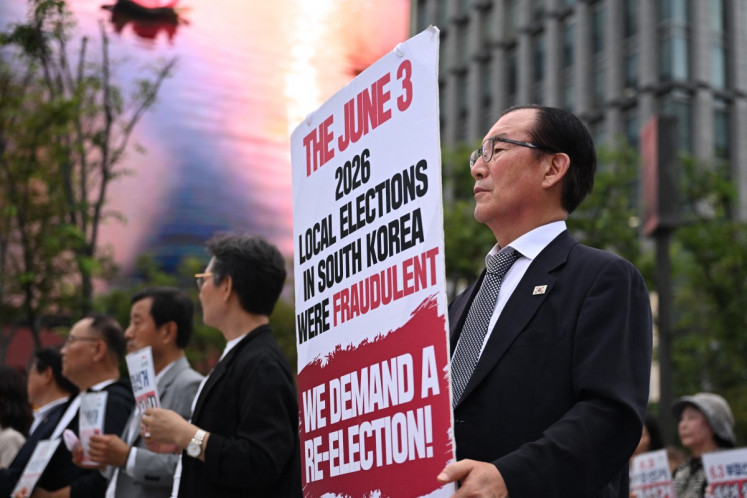
Despite recent setbacks, a South Korean country recently reversed a decade of authoritarian drift by rallying against a potential dictator.
This narrative may evoke parallels with Central and Eastern Europe's journey from the Cold War to the ousting of Viktor Orbán. Yet, it equally applies to East and Southeast Asia. In 1966, autocratic rule gripped the Philippines, Taiwan, and South Korea, but tenacious democratic activists persisted for decades, despite brutal crackdowns like South Korea's 1980 Gwangju Massacre.
A turning point arrived in 1986 when Ferdinand Marcos's dictatorship fell in the Philippines, mirroring Václav Havel's transition from dissident to president in Czechoslovakia and Lech Wałęsa's rise to power in Poland. In 1998, Kim Dae-jung, once South Korea's most prominent dissident, became president. Taiwan also democratized during this period, electing its first president by direct vote in 1996.
Fast-forward to the 2020s, and East Asia once again exemplifies democratic resilience. In December 2024, protesters, legislators, and ordinary citizens in South Korea united against President Yoon Suk Yeol's declaration of martial law, swiftly defeating the declaration and initiating his conviction and life imprisonment. Why, then, do proponents of democracy navigating today's autocratic surge look to Solidarity over People Power for guidance?
Why is Havel more familiar than Kim? The imbalance may stem from enduring Eurocentrism. Western observers have indeed focused more on Hungary's recent election than South Korea's 2024 democratic crisis. However, another factor comes into play when examining Cold War memories.
Written by urgent.news from The Jakarta Post's reporting — not their text. Machine-written — may contain errors; check the original before relying on it.
Also reported by 1 other outlet
- Look East for lessons in democratic resistance thejakartapost.com