‘Just a day ago, we were there’: Mumbai actor on narrow escape from Nepal floods
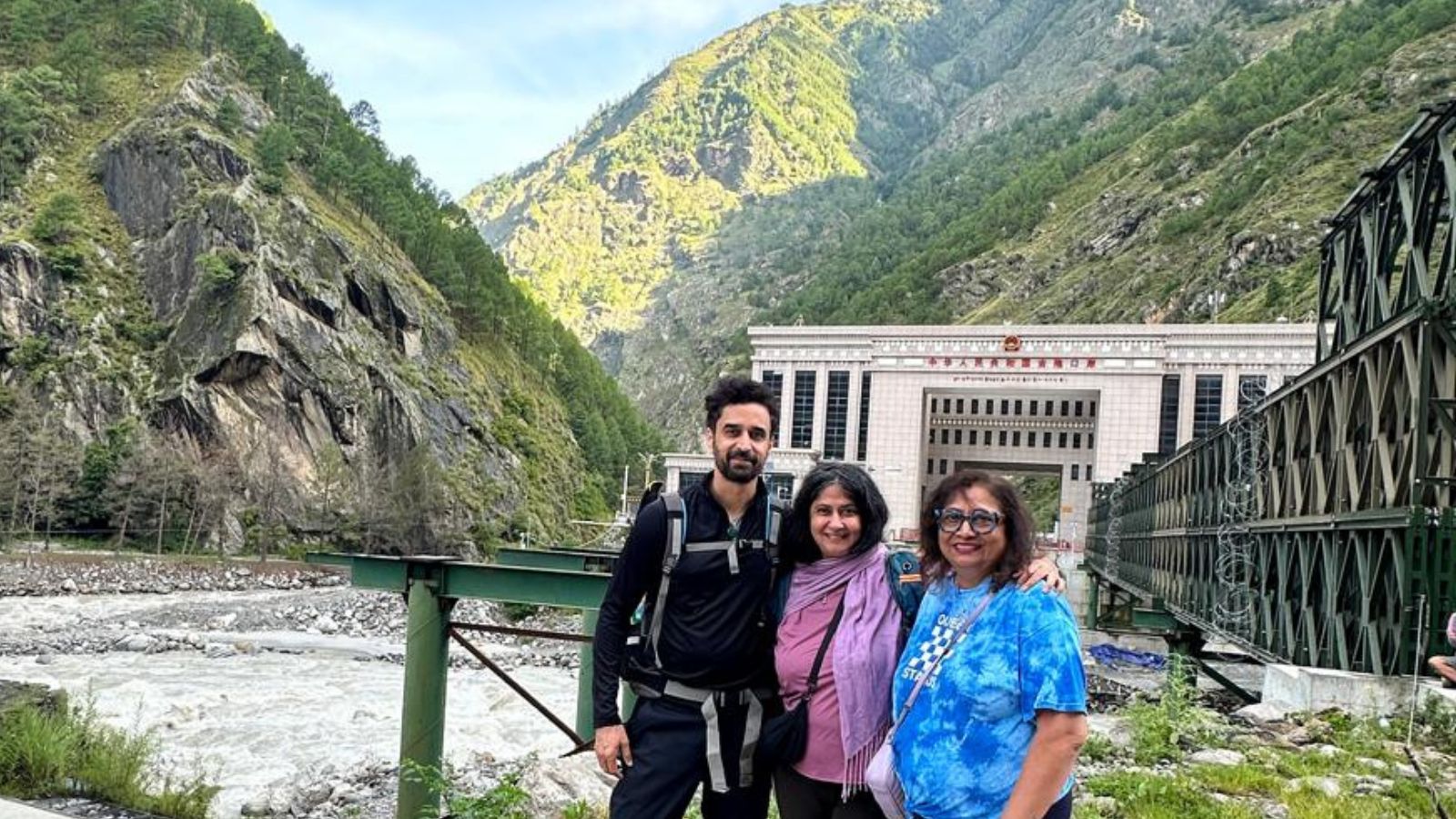
Actor Ankur Ratan, a prominent figure in Mumbai's web series and film industry, is in shock at the recent flash flood disaster in Nepal. Just a day before, he and his family were taking pictures at Rasuwa, a district close to Kathmandu that borders Tibet. Ratan, his wife, and cousin were on their way to complete the Kailash Mansarovar Parikrama, a revered trekking circuit with deep spiritual significance.
The actor belongs to a group led by SAAD Mountaineers, a registered club in Maharashtra. The group currently consists of 28 members from Mumbai, Pune, Akola, Nashik, Chhatrapati Sambhajinagar, and Singapore. According to Rajan Deshmukh, a founding member of the club, they were only 18 hours away from the disaster site when they halted at Saga town, a crucial stop for pilgrims en route to Mount Kailash.
Ratan's wife Shilpa Suchak, his cousin Sonali Kapadia, and their mother-in-law Dr Amita Suchak were also present at the same location 12-16 hours before the disaster struck. The group is now making its way towards Mansarovar, with Ratan expressing his desire to undertake the entire 52-km parikrama as a tribute to the lives lost. He emphasizes the mixed emotions the disaster has brought upon him, expressing gratitude for their survival while mourning the loss of many lives.
Written by urgent.news from The Indian Express's reporting — not their text. Machine-written — may contain errors; check the original before relying on it.
This story
This is one outlet's version. Read the fullest account.
- What experts know so far about Nepal's deadly floods gulfnews.com
- 160 dead, 647 missing as floods devastate Nepal, Tibet punchng.com
- What experts know so far about Nepal's deadly floods phys.org
- What experts know so far about Nepal’s deadly floods freemalaysiatoday.com
- Nepal floods: 55 Malaysians uncontactable, no casualties confirmed nst.com.my
- Mumbai-based mountaineer goes missing in Nepal flash floods hindustantimes.com
- What triggered Nepal’s catastrophic flash floods? USGS rules out earthquake timesofindia.indiatimes.com