Iran's Hormuz leverage risks becoming a 'strategic liability' — will ultimately backfire, says Saudi Prince
In a sharply worded opinion piece, Prince Turki Al-Faisal, former head of Saudi intelligence and a prominent royal family voice, warned that Iran’s attempts to weaponise the Strait of Hormuz as diplomatic blackmail will ultimately "backfire" . “What Tehran regards as leverage could, over time, become a strategic liability,” he wrote, arguing that Iran must abandon revolutionary ideology in favor…
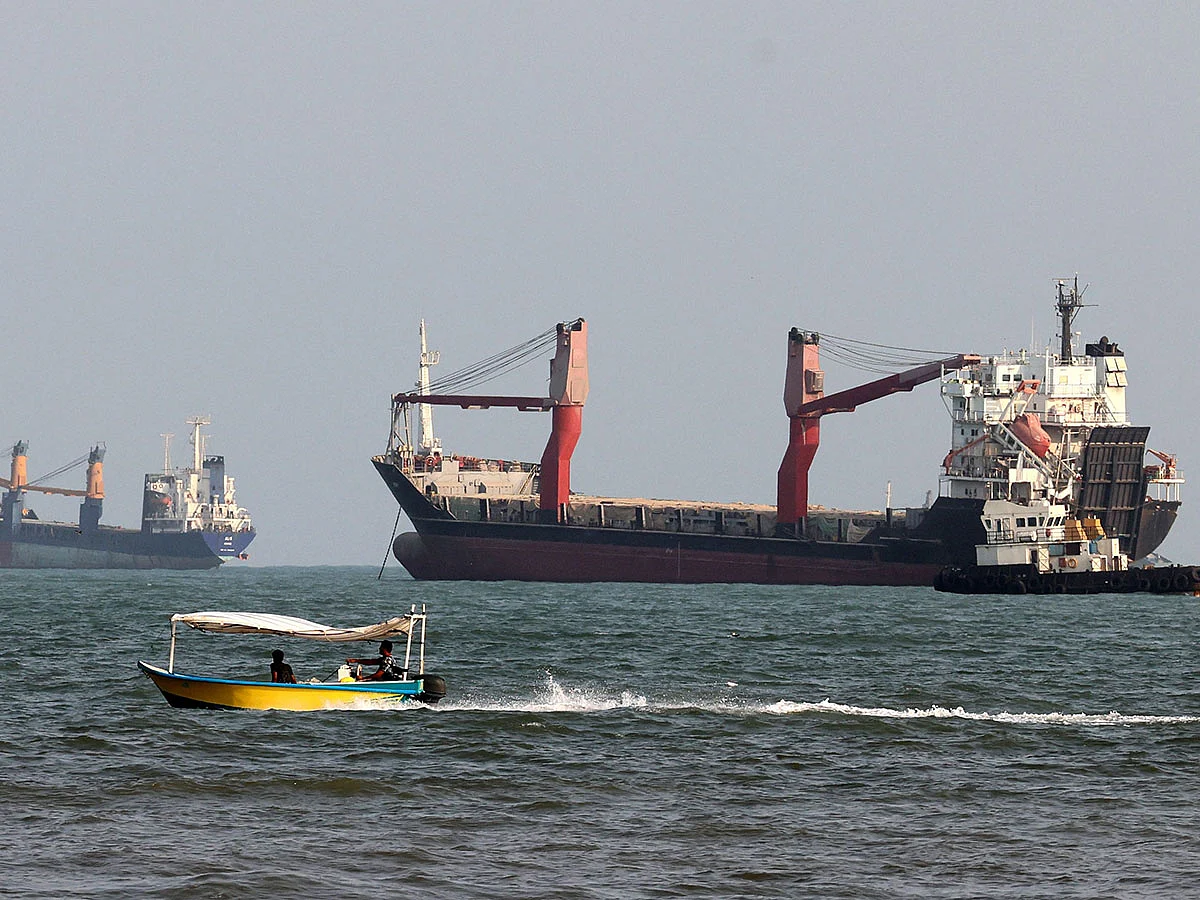
In a recent opinion piece, Prince Turki Al-Faisal, a former head of Saudi intelligence and a respected voice from the royal family, cautioned that Iran's attempts to weaponize the Strait of Hormuz for diplomatic leverage will ultimately backfire. Writing in the Saudi Gazette and the Arab News, he argued that Iran must cease acting like an international revolutionary movement and instead conduct itself as a regular nation-state.
The article, titled "Strait Diplomacy: Where Is It Heading," was published on Wednesday, following the failure to reach an agreement during the stalled US-Iran talks. The 2026 Memorandum of Understanding, which aimed to end the hostilities and address various issues, ultimately failed due to mutual distrust and conflicting interpretations, particularly concerning Article 5 on the strait.
Prince Turki alleged that Iran treated the memorandum as granting it unrestricted control over the Strait of Hormuz, disregarding the rights of other Gulf states, including Oman. Consequently, Iran resumed its interference in an international waterway protected under international law, leading to attacks on shipping that ended any possibility of diplomacy.
The US Secretary of State, Marco Rubio, stated that Iran's continued attacks on commercial shipping have rendered the recent agreement with Tehran invalid, despite expressing openness to future diplomacy once Iran adheres to its commitments. Prince Turki drew parallels to Iran's previous use of its nuclear program as leverage, which resulted in isolation and ultimately the very war it aimed to avoid.
He emphasized that Iran's diplomatic tactics of blackmailing neighboring countries and the wider world will not yield better results. Additionally, he noted that the international community will never acknowledge Iran's sovereignty over the strait, as persistence only diminishes Tehran's credibility, invites isolation, encourages future coalitions to protect global shipping, and hastens the development of alternative trade routes, thereby reducing Hormuz's strategic value.
Prince Turki urged Iran to behave like a normal state, pursuing its national interests that promote peace, development, and prosperity for its people, while adhering to international law and accepted international norms. He commended Saudi Crown Prince Mohammed bin Salman for his adept diplomacy, which led to the initial memorandum and its subsequent avoidance of further escalation.
Furthermore, he highlighted the developing "Makkah Agreement," an agreement among states that prioritize stability and are open to others seeking lasting peace.
Written by urgent.news from Gulf News's reporting — not their text. Machine-written — may contain errors; check the original before relying on it.
This story
This is one outlet's version. Read the fullest account.
- Iran sets conditions for reopening Strait of Hormuz, top security official Rezaei says al-monitor.com
- Fire breaks out on oil tanker in Strait of Hormuz after strike by unknown projectile egyptindependent.com
- Strait of Hormuz cleared of Iranian mines: CentCom chief Admiral Cooper gulfnews.com
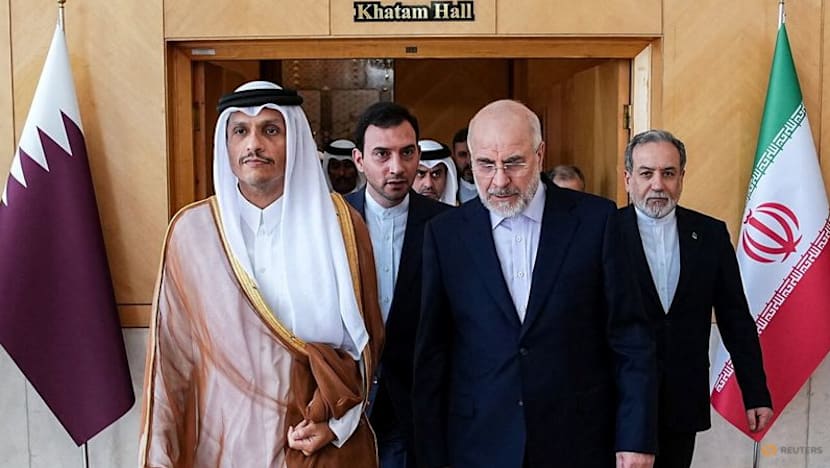
- Qatar and Iran discuss temporary Strait of Hormuz corridor plan hellenicshippingnews.com
- Iran says preparing list of conditions to open Strait of Hormuz fxstreet.com
- Iran sets conditions for reopening Strait of Hormuz, including end to regional war thevibes.com
- Bahrain economy contracts 3.8% as Strait of Hormuz disruption hits oil sector, non-oil economy grows arabianbusiness.com
- Iran war live: Tehran prepares conditions to open Strait of Hormuz aljazeera.com